
 Worksheets
Industrialization Assessment
Total questions: 80
Worksheet time: 49mins
Before the Industrial Revolution all products were created by
Factories
Hand
Slaves
Children
Mass production led to:
Products being high quality
goods became less expensive
workers received high wages
industries moved to farming areas
What were living conditions in the city like during the Industrial Revolution?
Cities were mostly for rich people
Strict housing safety laws
Spacious and luxurious
Crowded and unsanitary
Which is NOT a reason the Industrial Revolution began in Great Britain
Water/Rivers
Coal/Metal
Assembly Line
Stable Government
What is the mass movement from farms to cities called?
immigration
colonization
industrialization
urbanization
The combination of resources, improved transportation, and technological breakthroughs all led to the
industrial revolution
adoption of gold standard
era of good feelings
formation of agricultural cooperatives

In which region of the US was the cultivation of cotton the primary economic activity?
The West
The North
The South


What invention did Alexander Graham Bell create that changed communications forever?
telephone
telegraph
Internet
electrical services

Who invented the first car?
Cyrus McCormick
Henry Ford
Samuel Morse
Alexander Graham Bell

Where was a jigsaw puzzle invented?
Italy
India
England
China

The first modern antibiotic was ....
Pepto Bismol
Amoxicillin
Penicillin
Metronidazole

Who invented electric lightbulb?
Coach Webb
Thomas Edison
Coach Drummond
Ben Franklin
1. Which four items were invented in the 1800s?
Telegraph and Morse code
Floppy Disk
Film camera
Vinyl record
Typewriter
What was the Spinning Jenny used for?
Weaving Cloth
Sorting Cotting
Making Electricity
Transportation
Which one of the inventions from your chart changed the way goods and people were transported?
Telephone
Light Bulb
Steam Engine
Cotton Gin
Which one of the inventions from your chart changed the way cotton was processed?
Cotton Gin
Spinning Jenny
Bessemer Steel Process
Light Bulb
Who invented the Spinning Jenny?
Thomas Edison
James Hargreaves
Albert Einstein
Eli Whitney
The invention of these made it possible to replace a broken part with ease instead of having to wait for custom replacements
mass production
division of labor
interchangeable parts
This invention turned rivers into busy routes for traders and travelers.
Railroads
Steamboat
Telegraph
Mechanical Reaper
How did the cotton gin change cotton production in the South?
Cotton was made faster.
Cotton became the most important cash crop in the United States.
It could clean more cotton in minutes than a whole group of workers could clean in a day.
all of the above
Inventor of the pasteurization process that removes bacteria from beverages like milk and beer.
Louis Pasteur
James Watt
Eli Whitney
Charles McCormick
How did new methods of mass production (assembly lines) contribute to the Industrial Revolution?
by having skilled workers
by creating products more quickly and cheaply
by making many products that were more expensive
by allowing products to be made more slowly and carefully
The introduction of interchangeable parts led directly to the —
A. formation of the patent system
B. creation of labor unions
C. use of mass-production techniques (assembly lines)
D. eight-hour workday
The telegraph...
was invented by Morse Code
allowed people to communicate instantaneously
allowed the government to share information quickly
connected continents, like America to Europe
The mechanical reaper...
increased farming production
decreased farming production
made farming more difficult
planted seeds automatically for farmers
This process made steel stronger and less expensive
Beringer Process
Bessemer Process
Vanderbilt Process
Carnegie Process
Which of these was NOT a byproduct of steel?
Railroads
Skyscrapers
Roadways
Barbed Wire
Which industry was significantly impacted by the creation of skyscrapers?
Oil
Telephones
Automobiles
Elevators
Which industrialist capitalized on and made millions from the steel industry?
Carnegie
Rockefeller
Vanderbilt
Edison
Why did Carnegie oppose getting involved in the steel industry at first?
It was expensive to make/not strong enough
It was cheap/too strong
Edwin L. Drake found a way to drill for oil by using
horsepower
a steam engine
manpower
rocket fuel
Which industrialist capitalized on and made millions from the oil industry?
Carnegie
Rockefeller
Vanderbilt
Edison
When a monopoly uses a vertical combination they...
Control all aspects of a business from top to bottom - from raw material to final product
simply buy out all of its competitors within that industry
When a monopoly uses a horizontal combination they...
Control all aspects of a business from top to bottom - from raw material to final product
simply buy out all of its competitors within that industry
Which group of people did typewriters and telephones open job opportunities for?
African Americans
Teenage Boys
Women
Migrant Workers
The completion of the Transcontinental railroad significantly travel time from ____________ to _____________.
6 months to 6 days
1 year to 1 week
6 years to 6 months
None of these
What method of production does Henry Ford create to make his products more quickly and more expensive?
Mass Production
Minor Production
Bessemer process


The term laissez-faire roughly translates to mean
leave alone
resist
freedom
control
The ability to have necessities of life, such as food, clothing, and shelter and wants like vacations, concerts, and other amusements is referred to as
middle class
upper class
standard of living
purchasing power
The process of an area growing larger, with an increase in population, production of goods and services, and availability of a variety of options to fulfill one's wants and needs is called
industrialization
urbanization
materialism
commercialism
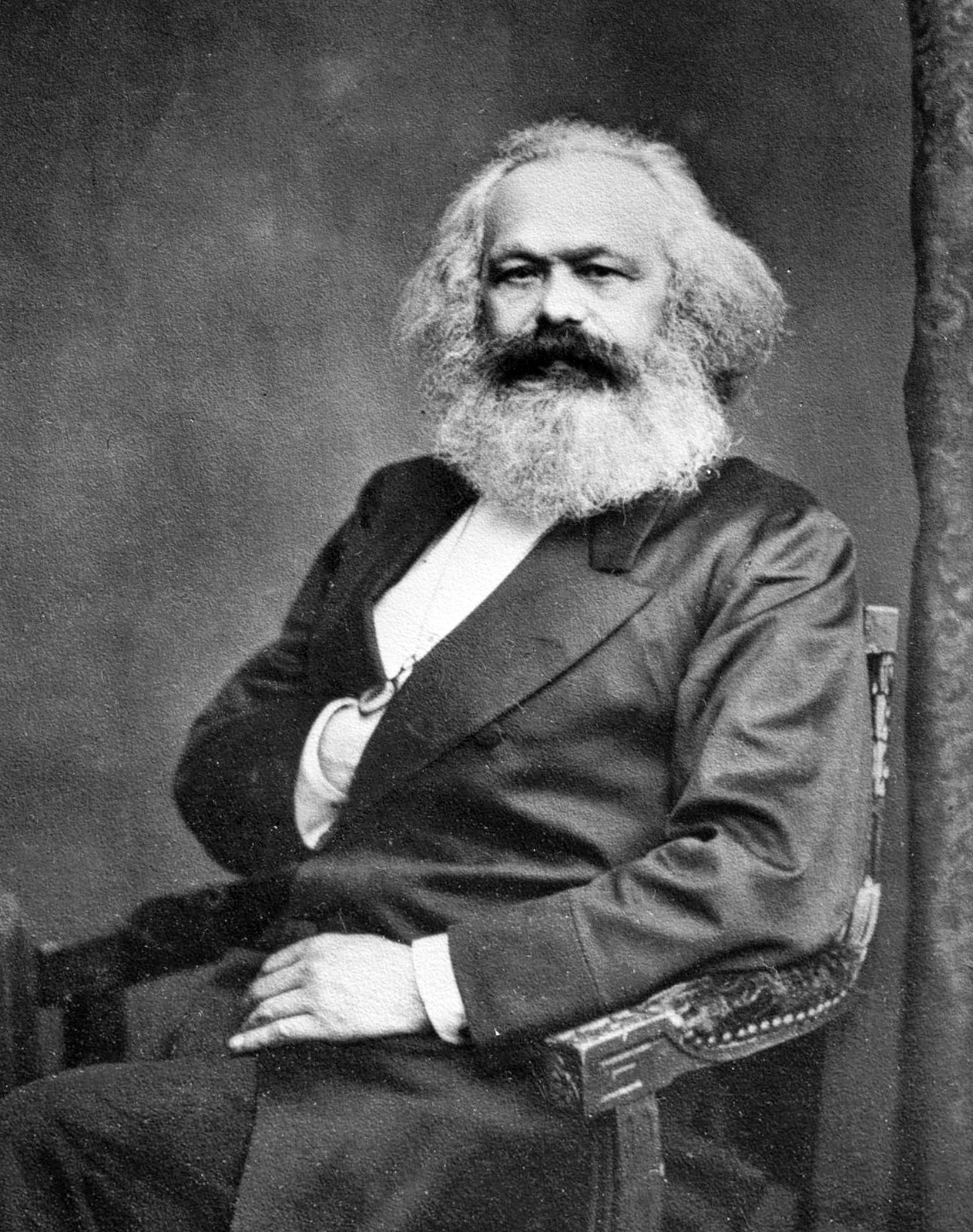
Karl Marx spelled out how he believed that workers should rise up against factory owners, outlining the basic principles of
capitalism
socialism
communism
command economies
Which of the following best describes industrialization?
nations began to rely on one another for trade of various goods and resources after the beginning of the Industrial Revolution
smaller nations needed assistance from their larger neighbors, so they formed trade alliances
more and more people began to move to cities, away from rural areas
advancement in technology to produce goods on a larger scale and a reliance on manufacturing of goods instead of individuals producing goods themselves
Why was England the site of the beginnings of the Industrial Revolution?
England was the most powerful nation in the world
It wasn't; history has unfairly given England credit for the Industrial Revolution
England had an abundance of natural resources such as coal, iron ore, and waterways where water wheels and steam engines could be built
England was centrally located to many areas like France, Germany, Spain, and Ireland, giving them an advantage to bring in resources and talent from many places
Which of the following was NOT associated with early factory working conditions?
Low wages
Dangerous working conditions
Safe working conditions
Poor air quality/pollution
Child labor
A place where people use machines to mass produce goods.
Cartel
Corporation
Factory
Urbanization
In the early days of the Industrial Revolution, many factories were built along rivers because
water was a major source of irrigation
water power was used to power factory machines
ships could easily deliver goods to factories
ships could bring in supplies
Which statement IS TRUE about the Industrial Revolution?
Children were not allowed to work
There were no labor laws that prevented children from working
Work conditions were closely regulated
Children only had to work an 8 hour day
The agricultural revolution led to Britain’s industrialization (mass production) because…
It created universal male suffrage
It greatly increased the number of people working in agricultural fields
It encouraged the fair and equal treatment of workers on farms and in factories
It destroyed the cottage industry and made people look for work to work in factories
It led to new inventions as well as urban industrialization
The agricultural revolution would allow for….
Larger populations
Increase in wealth of peasants
Decreased populations
More small family farms
The movement of people into cities is called…
Emigration
Immigration
Urbanization
Absorption

What was the cause of these effects:
The Agricultural Revolution
The Industrial Revolution
The Capitalist Revolution
The Enclosure Movement

What was the most important source of power for the early Industrial Revolution?
the steam engine
animals
the windmill
the dynamo

The Industrial Revolution began in this country.
The United States
Great Britain
Germany
Russia

What natural resources gave Great Britain an advantage in the Industrial Revolution?
farm lands and forests
wildlife and precious gems
coal and iron
mountain ranges

How did industrialization impact women?
Many women entered the paid workplace.
Many women practiced traditional activities such as making their families clothing.
It had no impact on the lives of women.
Women moved from cities to rural areas.
Why was England the site of the beginnings of the Industrial Revolution?
England was the most powerful nation in the world
It wasn't; history has unfairly given England credit for the Industrial Revolution
England had an abundance of natural resources such as coal, iron ore, and waterways where water wheels and steam engines could be built
England was centrally located to many areas like France, Germany, Spain, and Ireland, giving them an advantage to bring in resources and talent from many places
What new power technology was used by Robert Fulton to power boats?
electricity
wind
steam
nuclear

