wayground logo

Free Printable Worksheets

NEW

Font size

S
M
L
XL
Worksheets

G4 1ST

Total questions: 65

Worksheet time: 47mins

Name
Class
Date
1.

Which statement BEST describes the relationship between the weight and mass of an object?

a)

If mass increases, weight will decrease.

b)

Doubling mass reduces weight by half.

c)

An increase in mass will not affect weight.

d)

If mass increases, weight will increase.

2.

What happens to the mass and weight of an object that is launched into space, where the pull of gravity is less?

a)

The mass decreases while the weight stays constant.

b)

The mass stays constant while the weight decreases.

c)

The mass stays constant while the weight increases.

d)

The mass increases while the weight decreases.

3.

Density is a physical property of matter and can be used to classify substances. Density is calculated by which of the following?

a)

d=v/m

b)

d=m/v

c)

d=w/v

d)

d=m/w

4.
Which liquid is the least dense?
a)
oil
b)
water
c)
syrup 
d)
plastic bottle
5.
Which liquid is the most dense?  
a)
oil
b)
water
c)
syrup
d)
plastic bottle
6.
What is the volume of Object X?
a)
10.0 cm3
b)
15.0 cm3
c)
20.0 cm3
d)
25.0 cm3
7.
The density of this material is 2 g/cm3.
There are 24 cm3  Find the total mass.
a)
12 grams
b)
48 grams
c)
12 g/cm3
d)
48 g/cm3
8.
You are given the following information: mass = 48 g; volume = 24 cm3. What is the density of this substance? 
a)
2 g/cm3
b)
1,152 g/cm3
c)
0.5 g/cm3
d)
72 g/cm3
9.
If you have a gold brick that is 2 cm by 3 cm by 4 cm and has a density of 19.3 g/cm3, what is its mass?
a)
463.2 g/cm3
b)
463.2 g
c)
0.804 kg
d)
0.804 g
10.
Find the Volume
a)
428.4 cm3
b)
412.8 cm3
c)
404.2 cm3
d)
400 cm3
11.
What is the volume of this block
a)
168 cm3
b)
17 cm3
c)
10 cm3
d)
145 cm3
12.

Water has spilled on a table. Which object should be used to clean the spill?

a)

Plastic ruler and balloon

b)

paper towel and cotton towel

c)

Drinking glass and plastic spoon

d)

Glass bottle and rubber gloves

13.

Which material absorbs water ?

a)

Metal

b)

Plastic

c)

Rubber

d)

Cotton

14.

Which material does not absorb water ?

a)

Plastic

b)

Cotton

c)

Leather

d)

Wood

15.

A lady wipes off sweat from her forehead by using a cotton towel. Why did she use a towel to wipe off the sweat ?

a)

The towel is made of plastic

b)

The towel is colourful

c)

The towel absorbs the sweat

d)

The towel is light

16.

Which group of objects are waterproof?

a)

Cotton towel, leather wallet, newspaper

b)

Balloon, plastic bottle, jam jar

c)

Handkerchief, tissue paper, leather belt

d)

Tissue paper, cotton socks, wool

17.

the ability of water to go up very small tubes, against the force of gravity

a)

Adhesion

b)

Capillarity

c)

Cohesion

d)

Temperature Moderation

18.

True or False: Biodegradable materials include paper, fruit peels, and Styrofoam.

a)

True

b)

False

c)

Maybe

19.

True or False: Non-biodegradable materials can be burned to lessen waste.

a)

True

b)

False

c)

Maybe

20.

True or False: Segregation of waste materials is important for better disposal of waste and encourage more recycling and reusing of materials.

a)

True

b)

False

c)

Maybe

21.
a)

Decaying Material

b)

Non-Decaying Material

22.
a)

Decaying Material

b)

Non-Decaying Material

23.

Which of the following is a certain sign of spoiled?

a)

It becomes hot

b)

It has mold

c)

It has a nice smell

d)

It becomes soft to touch

24.

Which of the following can be done to prevent the harmful effects of decayed materials?

a)

Keep the garbage cans uncovered

b)

Allow food to stay warm at all times.

c)

Store leftover food in the refrigerator

d)

Immediately cook canned food with bulging ends

25.

What illness can you get if you eat spoiled food?

a)

Asthma

b)

Chicken pox

c)

Cough

d)

Diarrhea

26.

1.Product labels warns people possible dangers.

a)

TRUE

b)

FALSE

27.

Product labels describe proper way of storing the product.

a)

TRUE

b)

FALSE

28.

Product labels gives us information on how to use it.

a)

FALSE

b)

TRUE

29.

Product labels displays unnecessary

information.

a)

FALSE

b)

TRUE

30.

Buy products with unlabeled information.

a)

TRUE

b)

FALSE

31.

Matches and lighters should be kept out of children's reach to avoid fire.

a)

Safety Measure

b)

Not a Safety Measure

32.

Drink medicine even if there is no doctor's advice.

a)

Safety Measure

b)

Not a Safety Measure

33.

Poisonous materials like insecticides, pesticides and muriatic acid must be kept in cabinet and out of reach of children.

a)

Safety Measure

b)

Not a Safety Measure

34.

Label all bottles and keep them in a storage room.

a)

Safety Measure

b)

Not a Safety Measure

35.

Keep flammable materials near the stove.

a)

Safety Measure

b)

Not a Safety Measure

36.

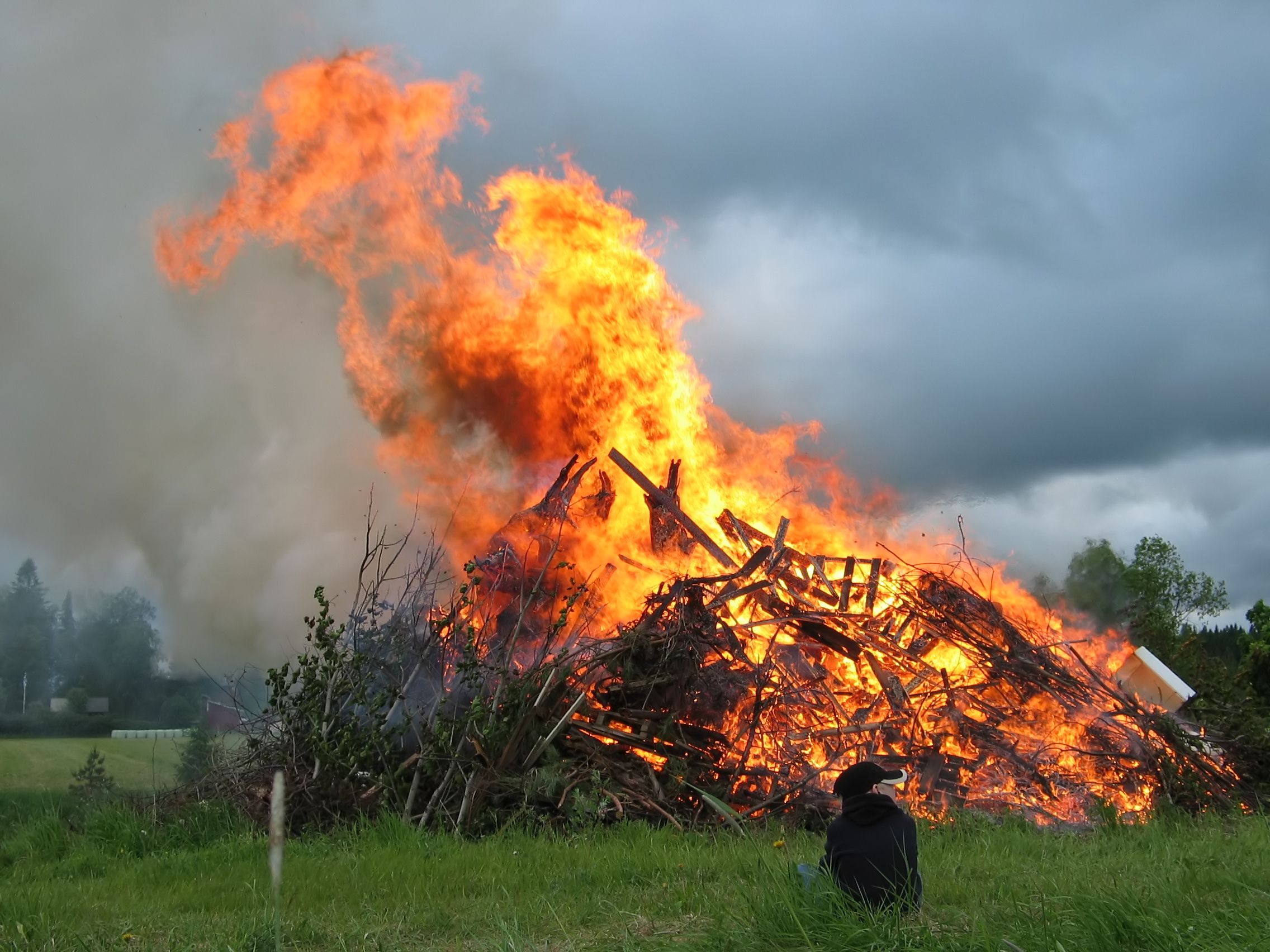
Wood that is burning in a brush pile has heat, and produces ashes.

a)

Physical

b)

Chemical

37.

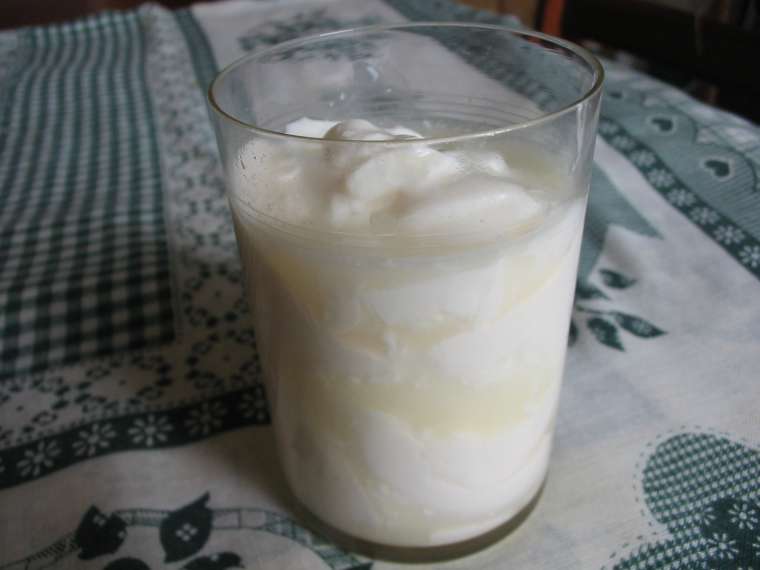
Is milk going sour a physical or chemical change?

a)

Physical

b)

Chemical

38.
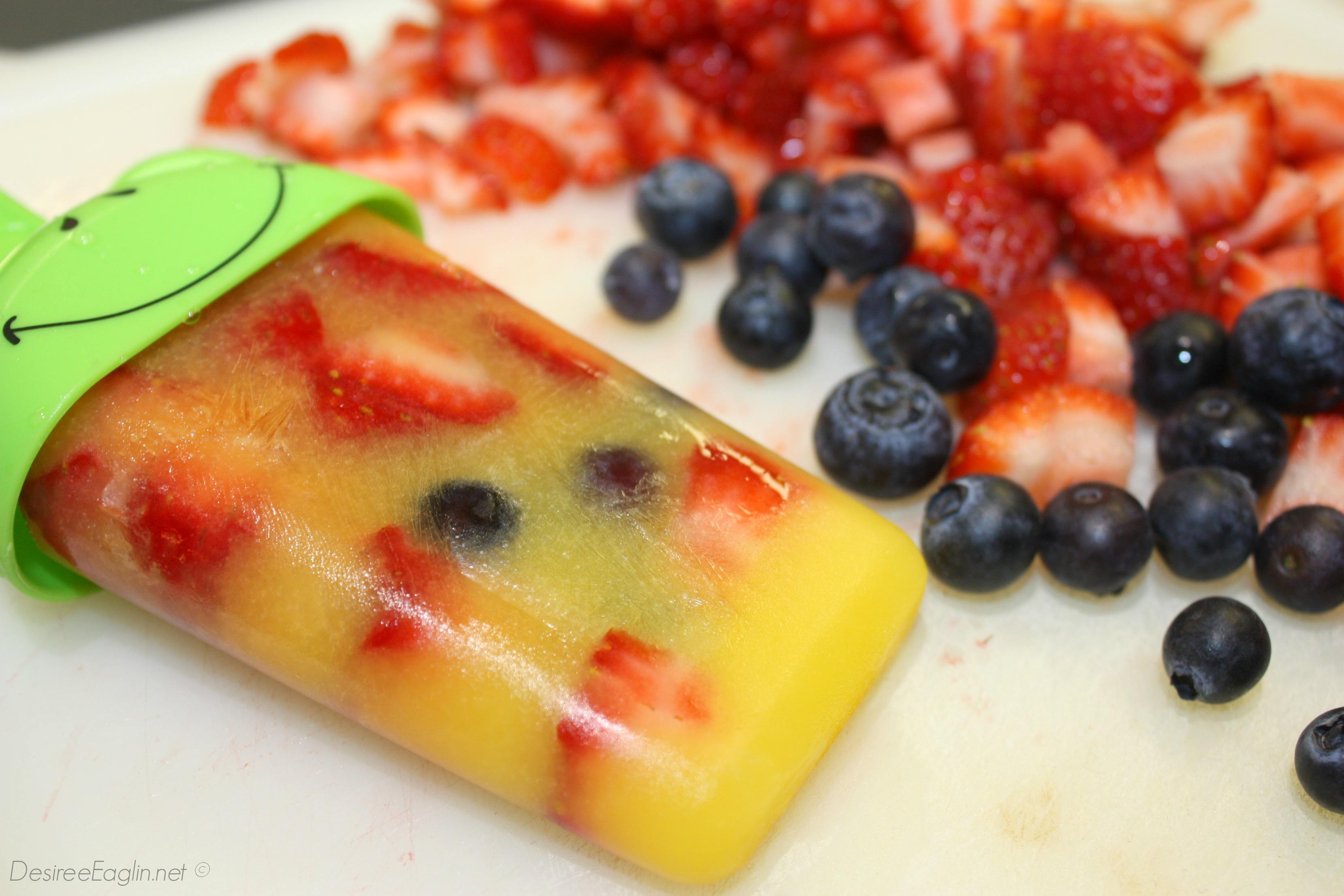
Is freezing juice a physical or chemical change?
a)
Physical Change
b)
Chemical Change
39.
Melting a chocolate bar?
a)
Physical Change
b)
Chemical Change 
40.
Rotting bananas?
a)
Physical Change
b)
Chemical Change
41.
Cutting your hair?
a)
Physical Change
b)
Chemical Change
42.
Is sqeezing organges to make orange juice a phyical or chemcial change?
a)
physical
b)
chemical
43.
Which of the following is a sign that a chemical reaction has occurred?
a)
change in shape
b)
melting
c)
formation of a gas
d)
dissolving
44.

what is a physical change

a)

its when a transformation doesn't change the nature of the molecules in matter

b)

its when a transformation change the nature of the molecules in matter

c)

its when a transformation change the nature of the molecules in substance
45.
When a pot of water on the stove is heated up to form steam this phase change is called
a)
Evaporation
b)
Condensation
c)
Deposition
d)
Sublimation
46.
When steam from water rises up and hits the side of the cup and makes tiny droplets of water this is called
a)
condensation
b)
evaporation
c)
melting
d)
deposition
47.
When solid dry ice becomes a gas this is called
a)
sublimation
b)
deposition
c)
condensation
d)
evaporation
48.
If you increase the temperature of a solid it will change into a liquid, this phase change is called 
a)
melting
b)
sublimation
c)
boiling
d)
condensation
49.
When the temperature of matter decreases the particles ...
a)
speed up and move farther apart
b)
speed up and move closer together
c)
slow down and move farther apart
d)
slow down and move closer together
50.
When the temperature of matter increases the particles...
a)
speed up and move closer
b)
speed up and move farther apart
c)
slow down and move closer together
d)
slow down and move farther apart
51.
A phase change when a gas becomes a solid is called 
a)
Sublimation
b)
Deposition
c)
Fusion
d)
condensation
52.
When melted wax dripping from a candle becomes hard again this is called
a)
Melting
b)
Condensation
c)
Evaporation
d)
Freezing
53.
The ozone layer is damaged by
a)
CFCs
b)
Increase in greenhouse gases
c)
Increased global temperatures
d)
Sulfuric and nitric acids
54.
Increase in which gas is primarily responsible for increased global warming?
a)
Carbon dioxide
b)
Water vapor
c)
Methane
d)
Nitric oxides
55.
Dust, ash and pollen are examples of this air pollutant
a)
Lead
b)
Ground-level ozone
c)
Particulate matter
d)
Nitrogen oxides
56.
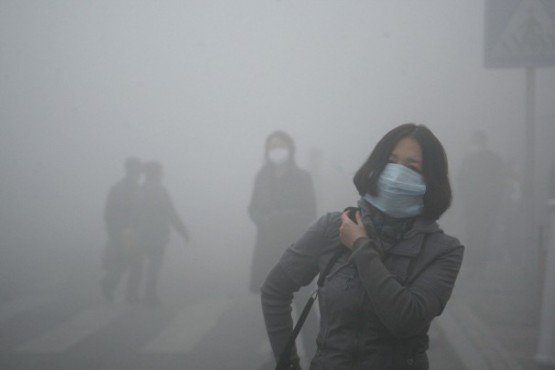
This picture shows people walking through a highly-polluted city in China. From what type of pollution are they protecting themselves based on what they are wearing?

a)
air pollution
b)
water pollution
c)
land pollution
d)
noise pollution
57.

What is an effect of land pollution?

a)

no clean drinking water

b)

loss of habitat for animals

c)

diseases from breathing in poor quality air

58.

What happens when people add harmful things to land, water or air.

a)

Reusing

b)

Pollution

c)

Recycling

d)

Protection

59.
Mixtures are always combinations of compounds that are in different states of matter. 
a)
TRUE
b)
FALSE
60.
All mixtures are defined as "heterogeneous." 
a)
TRUE
b)
FALSE
61.
Which of these is not a mixture? 
a)
oil and water
b)
sand and soda
c)
diet soda
d)
all are mixtures
62.
What are the two types of mixtures? 
a)
element and sub-atomic
b)
atoms and compounds
c)
homogeneous and heterogeneous
d)
element
63.
Halo-halo can be classified as what type of Mixtures?
a)
element
b)
solution
c)
homogeneous
d)
heterogeneous
64.
A glass of Kool Aid/ Tang juice can be classified as
a)
element
b)
homogeneous
c)
heterogeneous
d)
suspension
65.
when colors of metals causes a color to change
a)
flamabilty
b)
corrosion
c)
precipate
d)
tarnish