
 Worksheets
Chemistry test1 Review
Total questions: 32
Worksheet time: 20mins
Matter is anything that ___________________ and __________________.
is a solid, takes up space
has mass, is a liquid
we can see, we can touch
has mass, takes up space
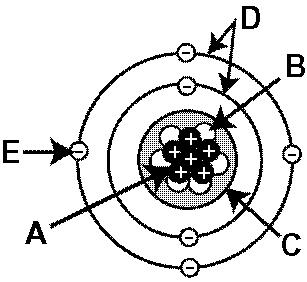
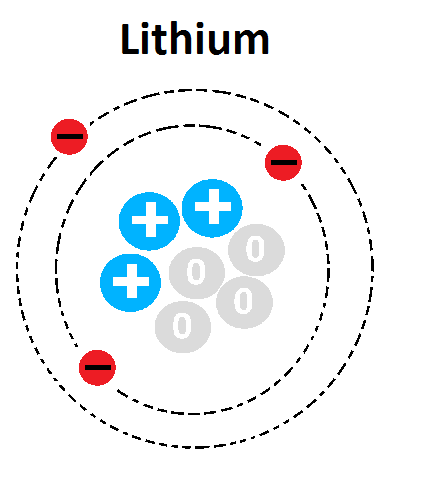
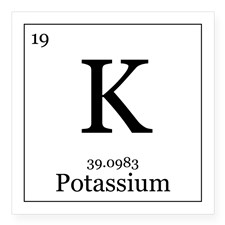
What is the atomic mass of this atom?
1
3
4
7
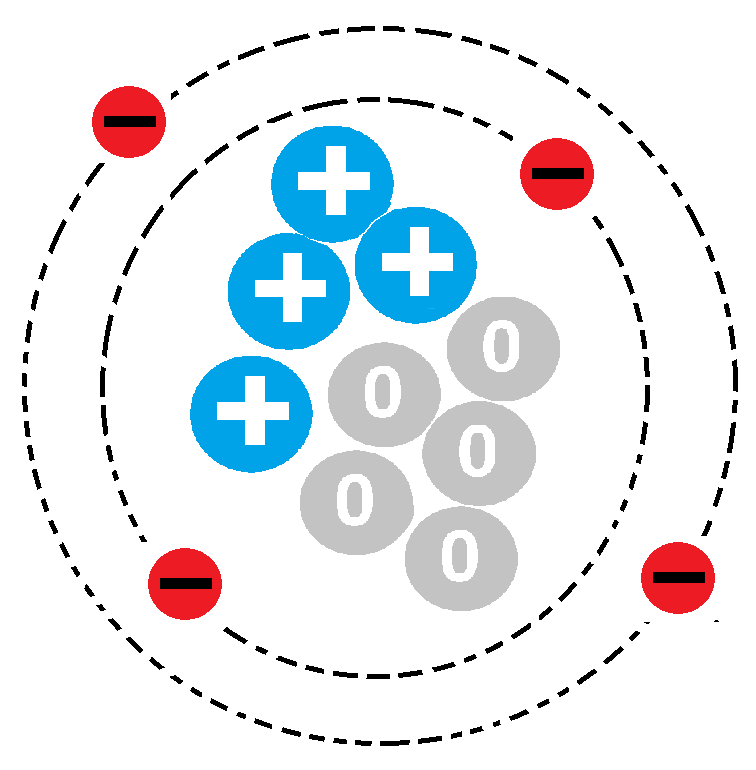
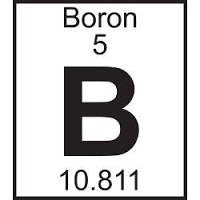
Using the information provided, determine how many electrons the a Boron atom contains.
2.5
5
6
10.81


What is the volume of the ring? (new volume - old volume)
64 mL
68 mL
8 mL
4 mL

The particle diagram shown is a:
pure substance
mixture

What does the 1.00794 stand for?
mass number
atomic number
average atomic mass
number of protons
The neutral particle in an atom.
proton
neutron
electron
Positively charge particle
proton
neutron
electron

What group and period does this element belong in? *
period 1 and group 3
period 3 and group 1
period 2 and group 3
period 3 and group 2
What are the vertical columns on the periodic called?
groups
periods
nonmetals
metals
metalloids
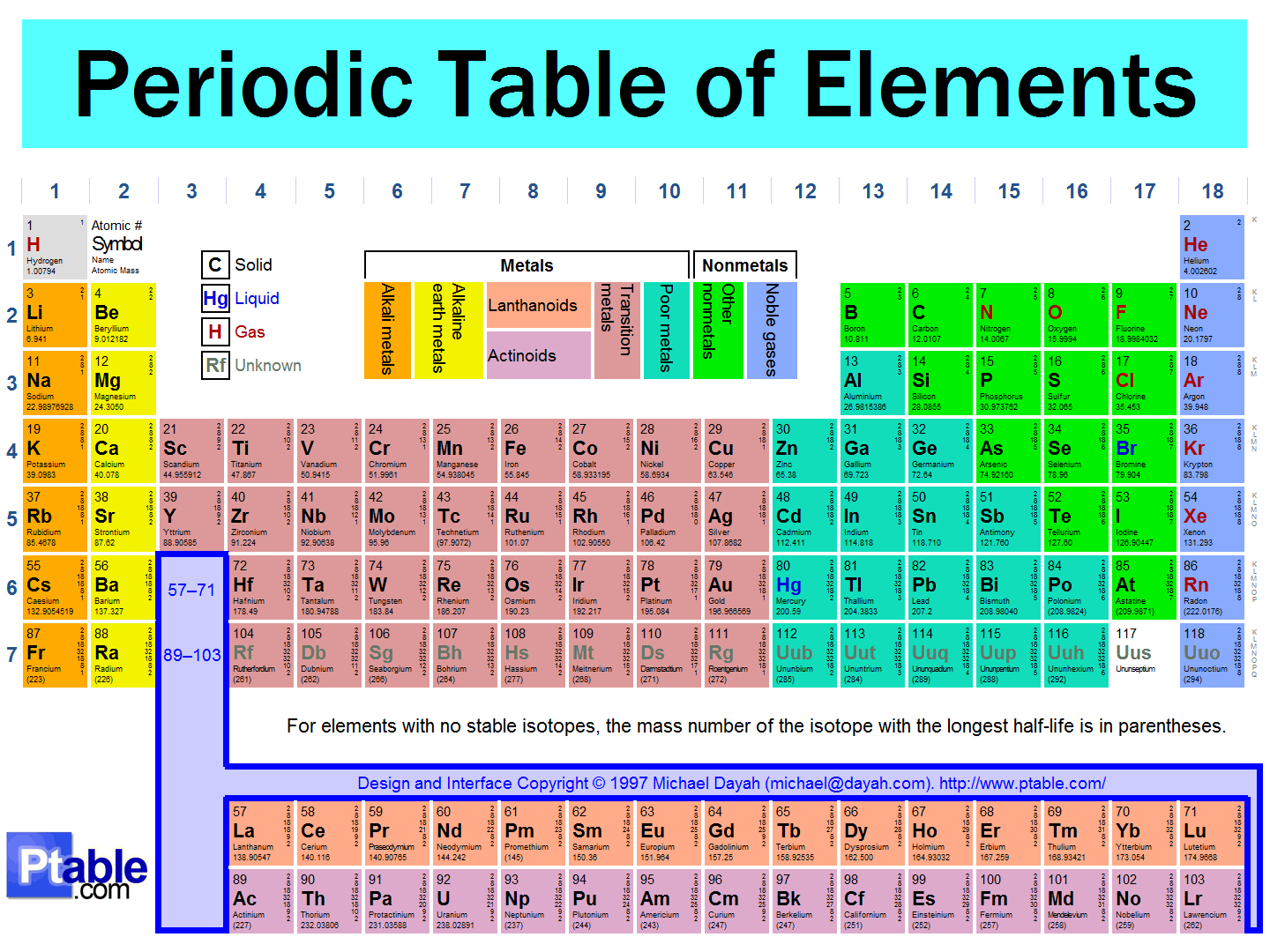

Use this periodic table to determine which element has three valence electrons and has electrons in two energy levels?
Mg - Magnesium
B - Boron
Na - Sodium
O - Oxygen

Which of the following are true about Phosphorus (P)?
Phosphorus has two valence electrons
Phosphorus has electrons in two electron shells/energy levels
Phosphorus has five valence electrons
Phosphorus is a metal
Which of the following does not belong?
Hydrogen (H)
Water (H2O)
Sugar (C6H12O6)
Salt (NaCl)

Which of these elements has the fewest neutrons?
Li - Lithium
Be - Beryllium
Na - Sodium
Mg - Magnesium
Spot the mistake.
AU - Gold
Ag - Silver
Al - Aluminum
Sn - Tin

Which element has 10 protons?
F - Fluorine
Ne - Neon
Cl - Clorine
Ar - Argon
Cobalt is a good conductor, malleable and ductile. What type of element is Cobalt?
Metal
Nonmetal
Metalloid
Can be beaten into thin sheets
Ductile
Sonorous
Malleable
Flexible
Can be drawn into wires
Ductile
Sonorous
Malleable
Flexible
Which statement is TRUE?
Metals are poor conductors of electricity
Metals are good conductors of heat and electricity
Metals are poor conductors of heat
Which model of the atom did Bohr develop?


Which elements have five valence electrons?
N and P
B and Al
B, C, N, O
None of them

This is a list of ________________________.
elements
nonmetals
mixtures
compounds

