
 Worksheets
chemical bonding
Total questions: 20
Worksheet time: 15mins
Ionic bonding is between a
nonmetal and nonmetal
metal and nonmetal
metal and metal
Depends on the situation
Predict the bond between Mg and Cl
covalent
ionic
metallic
none of the above
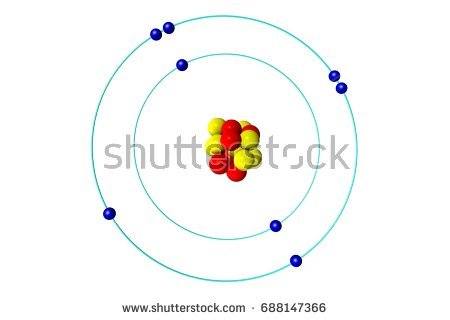
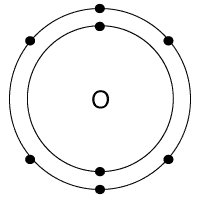
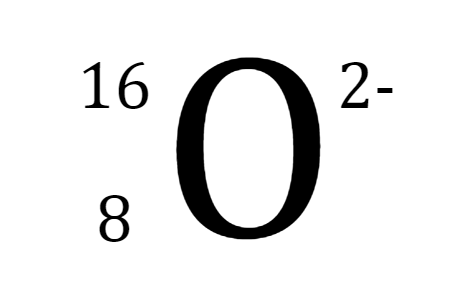
Which is the correct Lewis Structure for oxygen?



What is the name of the shape with 5 bonded atoms and no lone pairs?
trigonal pyramidal
trigonal bipyramidal
octahedral
seesaw

What is the formal charge on I in IF4-?
-1
0
+1
-4

What is the formal charge on the S in SO3?
+2
-2
0
+1
-1
What is the molecular geometry of SF4?
tetrahedral
trigonal pyramidal
trigonal bipyramidal
seesaw

Is this molecule polar or nonpolar?
polar
nonpolar
What is the correct Lewis Dot Structure for ammonia NH3


Does the following reference Polar, Nonpolar, or both:
"electronegativity values are the same"?
Polar
Nonpolar
Both
1. Which of the following molecules is the most polar?
H − Cl
H − Br
H − I
H − F

achieved octet
incomplete octet
expended octet
odd number of electrons

achieved octet
incomplete octet
expended octet
odd number electrons

achieved octet
incomplete octet
expended octet
odd number electrons

