
Font size
 Worksheets
AGR122 Chapter 3 Plant Morphology & Anatomy
Total questions: 20
Worksheet time: 7mins
The type of meristematic tissues that are actively divide and present in the growing tip of roots and buds.
Intercalary
Lateral
Apical
Find out the examples of lateral meristem
A. Vascular cambium
B. Cork cambium
C. Pith
A and B
B and C
Intercalary meristems are found in which part of the plants?
Growing tips
Lateral side
Nodes
There is more Intercellular space found in this tissue
Collenchyma
Sclerenchyma
Parenchyma
Epidermis
I am a kind of parenchymatous cell, and I perform photosynthesis. Who am I?
Collenchyma
Aerenchyma
Chlorenchyma
Sclerenchyma
Elongation of the segments of the stems of plants of grassess is caused by...
Apical meristems
Lateral meristems
Intercalary meristems
Vascular cambium
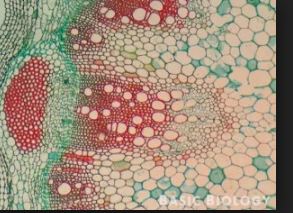
_____________________ is a vascular tissue that carries sugars and other foods throughout a plant.
stems
phloem
roots
xylem
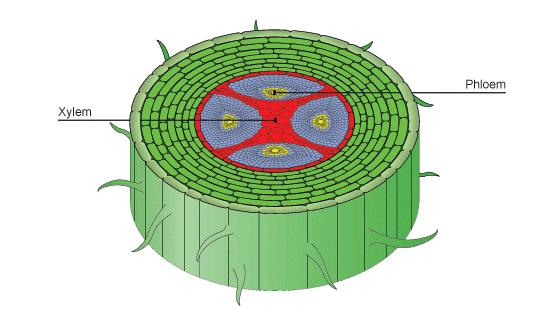
Specific type of plant tissue that transports water and minerals from the roots, through the stems, to leaves
vascular plant
nonvascular plant
xylem
phloem
The flexibility in plants is due to a tissue called
parenchyma
chlorenchyma
collenchyma
sclerenchyma
Sieve tubes and companion cells are present in
xylem
phloem
cambium
cork
Xylem and phloem are examples of
epidermal tissue
connective tissue
protective tissue
vascular tissue
The only dead cells in phloem
companion
sieve
phloem fibres
phloem parenchyma
Which tissue provide support and mechanical strength to the plant?
parenchyma tissue
sclerenchyma tissue
xylem tissue
collenchyma tisssue
What tissue type defends the plant from physical damage and pathogens?
Ground tissue
Protective tissue
Vascular tissue
Dermal tissue
In woody plants, the dermal tissue is called the
dermal
periderm
epidermis
phloem
In non woody plants, the dermal tissue is called the
xylem
epidermis
phloem
periderm
What are the 3 main plant organs?
dermal, vascular, ground
roots, stems, leaves
roots, stems, flowers
roots, ground, vascular
Root hairs absorbs water and minerals from soil. They usually develop in which region of a typical tap root?
Region of Maturation
Region of Meristematic activity
Region of Elongation
Root cap
Complete flowers must have all these:
sepals
thorns
petals
stamen
carpels

