
 Worksheets
Chapter 3 Test Review
Total questions: 60
Worksheet time: 20mins
The ability of the body to go through daily activities without being overly tired is known as____________.
Cardio Fitness
Physical Fitness
Muscular Fitness
Mental Fitness
The FITT principle stands for
frequency, intensity, training and type
frequency, intensity, time and type
flexibility, interacting with training and time
four components, increasing, to tone and treat illness
An example of endurance is:
sit and reach
40 yard dash
push ups
pacer/mile
An example of muscular endurance is:
sit and reach
40 yard dash
push ups
How many bones are in an adult body?
106
206
306
406


What bone is highlighted?
Skull (Cranium)
Mandible
Femur
Scapula
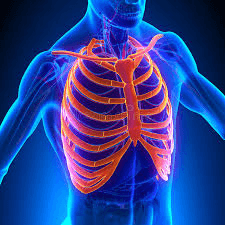
What bone is highlighted?
Ribs
Cranium
Clavicle
Femur

What bone is highlighted?
Femur
Cranium
Ribs
Skull
What is the largest and strongest bone in the body?
skull
vertebrae
femur
ribs
What is a flexible connective tissue that is found in your nose and ears?
cartilage
joints
ligaments
cranium


What is the scientific name of the 'jaw bone'?
Maxilla
Mandible
The bones at the end of our fingers and toes are known as _______________.
Tarsals
The phalanges
The vertebra is a gliding joint.
True
False
The shoulder and hip are ball and socket joints.
True
False
Examples of a hinge joint are the elbow and knee.
True
False


What muscle is highlighted in the picture?
Triceps
Biceps
Quads
Deltoids

What muscle is highlighted in the picture?
Triceps
Biceps
Quads
Deltoids

What muscle is highlighted?
Triceps
Biceps
Quads
Deltoids

What muscle is highlighted?
Trapezius
Lats
Pectoralis
Deltoids

What muscle is highlighted?
Latissimus dorsi
Trapezius
Hamstrings
Calves

What muscle is highlighted?
Hamstrings
Quads
Gastrocnemius
Gluteus

What muscle is highlighted?
Hamstrings
Quads
Calves
Gluteus

Obliques
Glueteus
Quads
Abdominals

Your heart is about the size of your __________.
mouth
fist
show
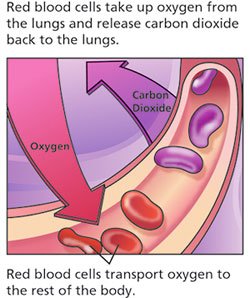
These cells, in the blood, carry oxygen and give the blood its color.
white blood cells
plasma
platelets
red blood cells
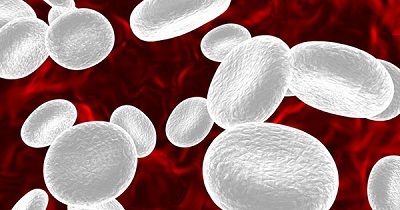
The cells in the blood that help fight germs like bacteria and viruses
red blood cells
platelets
white blood cells
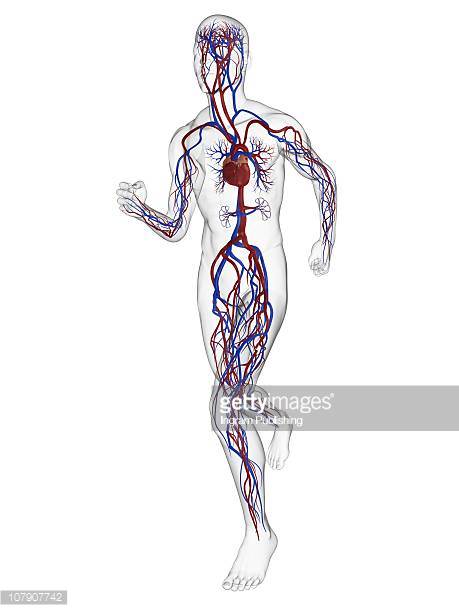
What is the main organ of the circulatory system?
small intestine
bone
lungs
heart
Veins carry oxygen poor blood back to the heart.
False
True
Arteries carry oxygen rich blood away from the heart.
True
False
Your heart is a ____, so it needs exercise to keep it strong.
arteries
arteriosclerosis
muscle
blood pressure
A blockage in a coronary artery can cause a person to suffer a ______________________
heart attack
heart beat
heart stopper
What's the #1 cause of death in America?
Cancer
Heart Disease
Alzheimer's Disease
Diabetes
How can Heart Disease affect you?
Stroke and/or heart attack
Death
Chest pain
High blood pressure
All of the above
What acronym can help you identify a stroke?
SLOW
FAST
STROKE
SLEEP
What are some common symptoms of a stroke?
Paralysis of one side of body, slurring speech, facial droop
Headache
Chest pain
Shortness of breath
Stronger muscles and bones, and greater energy, are examples of physical activity's...
physical benefits
mental benefits
emotional benefits
social benefits
Which of the following is a mental/emotional benefit of physical activity?
Lower Blood Pressure
Better balance and coordination
Reduced stress
Forming new friendships
Condition caused by excessive water loss
Hydration
Heat Exhaustion
Hypothermia
Dehydration
What is the advantage to exercise?
Improved quality of life
Decrease chronic disease
Stress relief
All of the above
Choose all of the individual sports in the following list.
Football
Tennis
Boxing
Soccer
Golf

A cycle of CPR is .....
30 compressions / 2 breaths at 150 compressions per minute
20 compressions / 3 breaths at 100 compression per minute
30 compressions / 2 Breaths per minute
30 compressions / 2 Breaths at 100 compressions per minute

