
 Worksheets
Environmental Science Semester Review Pt 2
Total questions: 60
Worksheet time: 57mins
Name
Class
Date
1.
What type of symbiosis?
* Hummingbirds feed on nectar from flowers.
* Flowers are pollinated by hummingbirds as they move from flower to flower.
* Hummingbirds feed on nectar from flowers.
* Flowers are pollinated by hummingbirds as they move from flower to flower.
a)
commensalism
b)
mutualism
c)
parasitism
d)
predation
2.
What type of symbiosis?
*The tick lives on dog and feeds on its blood and tissue.
* The dog gets skin irritation and can pick up diseases carried by tick.
*The tick lives on dog and feeds on its blood and tissue.
* The dog gets skin irritation and can pick up diseases carried by tick.
a)
commensalism
b)
mutualism
c)
parasitism
d)
predfation
3.
What type of symbiosis?
* The Red-Chested cuckoo birds find an unattended robin nest, push out the robin eggs, and lay their eggs in the robin’s nest, and leave.
* Robin babies die and robin parents feed and take care of the cuckoo babies.
* The Red-Chested cuckoo birds find an unattended robin nest, push out the robin eggs, and lay their eggs in the robin’s nest, and leave.
* Robin babies die and robin parents feed and take care of the cuckoo babies.
a)
commensalism
b)
mutualism
c)
parasitism
d)
predation
4.
What type of symbiosis?
*Remora use suckers to attach temporarily to large marine animals such as sharks, manta rays, whales, turtles, or large fish.
*The shark provides free transportation, protection, and dropped food and feces which the remora feeds on. The host is not injured.
*Remora use suckers to attach temporarily to large marine animals such as sharks, manta rays, whales, turtles, or large fish.
*The shark provides free transportation, protection, and dropped food and feces which the remora feeds on. The host is not injured.
a)
commensalism
b)
mutualism
c)
parasitism
d)
predation
5.
What type of symbiosis?
*Gall Insects lays their eggs in the leaves or branches of Oak trees causing a lump to form.
*Oak trees provide shelter and food to the insect larvae, but are not harmed.
*Gall Insects lays their eggs in the leaves or branches of Oak trees causing a lump to form.
*Oak trees provide shelter and food to the insect larvae, but are not harmed.
a)
commensalism
b)
mutualism
c)
parasitism
d)
predation
6.
What type of symbiosis?
*The plover picks and eats scraps of meat from the crocodile’s teeth.
*The crocodile gets a free teeth-cleaning!
*The plover picks and eats scraps of meat from the crocodile’s teeth.
*The crocodile gets a free teeth-cleaning!
a)
commensalism
b)
mutualism
c)
parasitism
d)
predation
7.
Which of the following symbiotic relationships is considered parasitic?
a)
ticks feeding on a dog
b)
bees transporting pollen from flowers
c)
pilotfish swimming under sharks
d)
birds eating the insects from the back of a hippopotamus
8.
What does symbiosis mean?
a)
A.living separately, no relationship between 2 species
b)
A.living together, close relationship between 2 species
c)
A.Living separately, long distance relationship between 2 species
d)
When one species kills and eats another
9.
Barnacles create home sites by attaching themselves to whales. This neither harms nor benefits the whales. What kind of relationship is this?
a)
Mutualism
b)
Parasitism
c)
Commensalism
10.
A tick and a dog have this type of relationship.
a)
mutualism
b)
commensalism
c)
neutralism
d)
parasitism
11.
The ultimate source of energy in our Solar System comes from:
a)
water
b)
oxygen
c)
the sun
d)
forces within the earth
12.
Which correctly states the flow of energy in a food chain?
a)
sun--deer--grass--coyote
b)
deer--grass--sun--coyote
c)
sun--grass--deer--coyote
d)
sun--grass--coyote--deer
13.
Which organism in the food chain below is the producer?
plant--> grasshopper --> bird --> hawk
plant--> grasshopper --> bird --> hawk
a)
plant
b)
grasshopper
c)
bird
d)
hawk
14.

Which organism do the owl and the weasel compete for in the food web?
a)
Hawk
b)
Spider
c)
Grasshopper
d)
Shrew
15.

Which of the following is a herbivore?
a)
cricket
b)
frog
c)
hawk
d)
shrew
16.

Which of the following would be the most likely effect, if there were a sudden increase in the cricket population?
a)
There would be a decrease in the small bird population.
b)
There would be a decrease in the grass/flowers population.
c)
There would be a decrease in the mice population.
d)
There would be an increase in the grass/flowers population.
17.
A frog eats a fly. The frog and fly are demonstrating ________.
a)
mutualism
b)
competition
c)
predator/prey
d)
parasitism
18.
A symbiotic relationship that involves species having to fight for something they both need or want
a)
competition
b)
predation
c)
commensalism
d)
parasitism
19.

How many herbivores are in this web?
a)
1
b)
2
c)
3
d)
4
20.

A connection of food chains with many food energy paths in an ecosystem is a ____________
a)
ecosystem
b)
food web
c)
environment
d)
population
21.
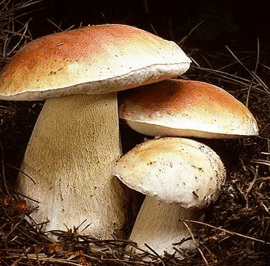
An organism that gets energy from breaking down dead organisms, non-living material or waste
a)
producer
b)
consumer
c)
decomposer
d)
autotroph
22.

An animal that is hunted and eaten for food is a
a)
predator
b)
prey
c)
population
23.
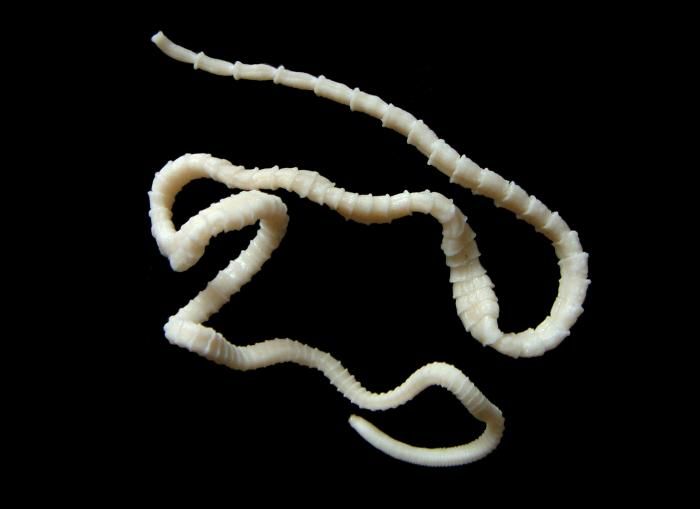
A tapeworm and a cat have this type of relationship.
a)
mutualism
b)
parasitism
c)
commensalism
d)
competition
24.
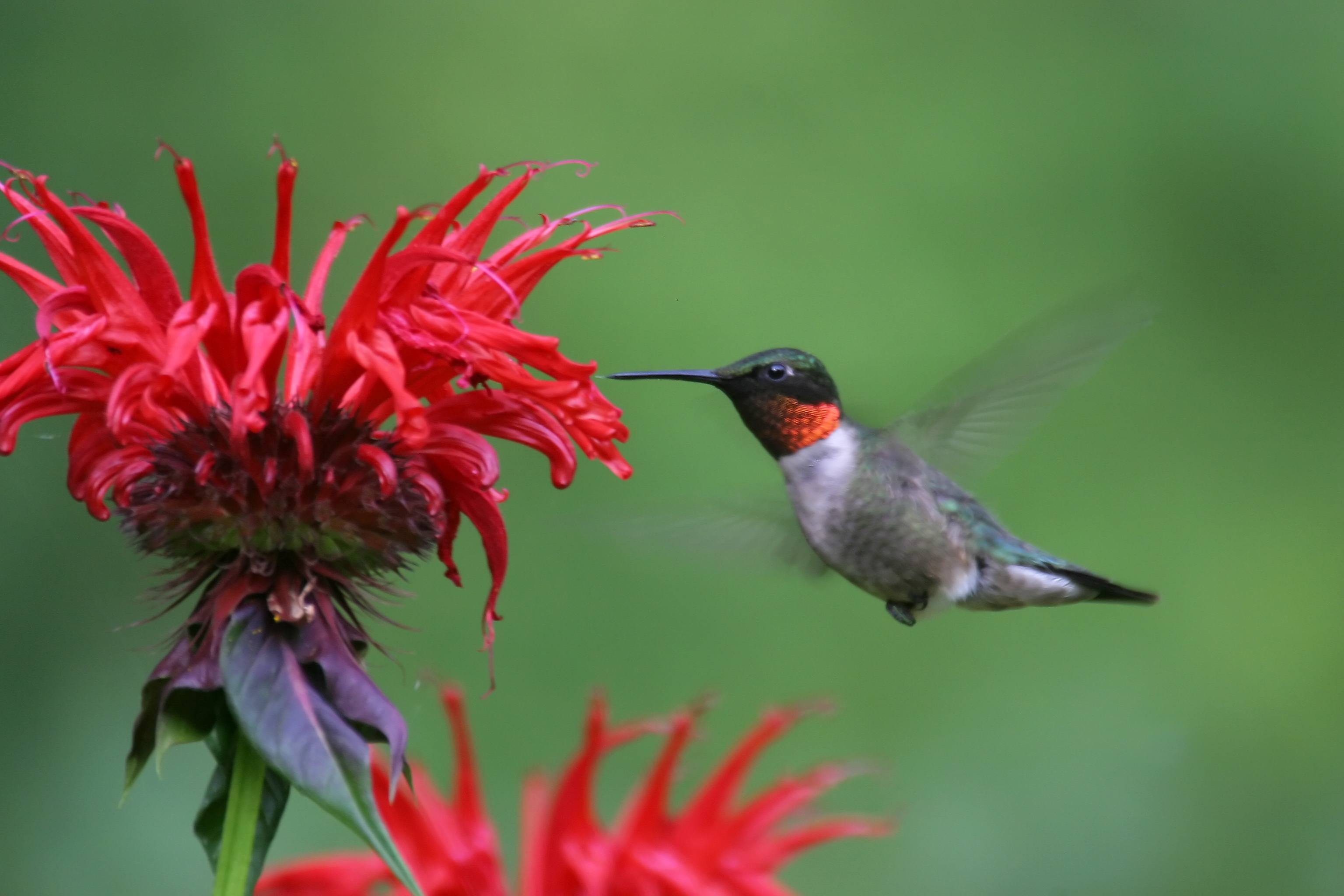
What type of symbiosis? Hummingbirds feed on nectar from flowers. The flowers are pollinated by hummingbirds as they move from flower to flower.
a)
commensalism
b)
mutualism
c)
parasitism
d)
predation
25.
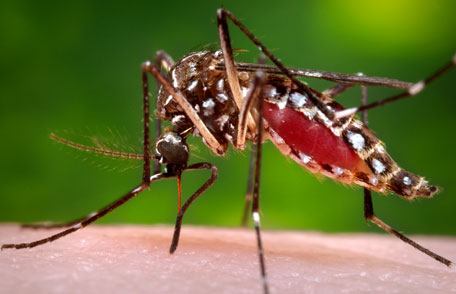
When a mosquito bites you, you are the __________ and the mosquito is the ____________.
a)
host, hostess
b)
parasite, host
c)
host, parasite
d)
prey, predator
26.

Aphids are tiny insects that live on and eat the leaves of plants, removing vital nutrients from the plants.
a)
Predation
b)
Parasitism
c)
Commensalism
d)
Mutualism
27.

A relationship in which two species live closely together.
a)
resource
b)
mutualism
c)
succession
d)
symbiosis
28.
Barnacles create home sites by attaching themselves to whales. This neither harms nor benefits the whales. What kind of relationship is this?
a)
Mutualism
b)
Parasitism
c)
Commensalism
29.

The stork uses it saw-like bill to cut up the dead animals it eats. As a result, the dead animal carcass is accessible to some bees for food and egg laying. The relationship neither harms nor benefits the stork.
a)
parasitism
b)
commensalism
c)
mutualism
30.

Ticks will feed on a deer’s blood and harm the deer.
a)
parasitism
b)
commensalism
c)
mutualism
31.

A cuckoo may lay its eggs in a warbler’s nest. The cuckoo’s young will knock the warbler’s eggs out of a nest and the warbler will raise the cuckoo’s young.
a)
parasitism
b)
commensalism
c)
mutualism
32.
A snake is eaten by a hawk. The hawk is the _______.
a)
prey
b)
parasite
c)
predator
d)
all of these
33.

A bird makes a nest in a tree. The bird gets a house, but the tree is unharmed.
a)
Commensalism
b)
Mutualism
c)
Parasitism
34.
Birds eat the flies off of a rhino's back in the savannah
a)
commensalism
b)
Mutualism
c)
parasitism
35.
A bear eats fish out of the river
a)
mutualism
b)
parasitism
c)
predator / prey
36.
? is the source of energy for almost all living things on the planet.
a)
Sun
b)
Water
c)
Soil
d)
Fod
37.
A relationship between two species where one benefits while the other is harmed.
a)
Mutualism
b)
Commensalism
c)
Parasitism
d)
Naturalism
38.
an organism that hunts other organisms
a)
predator
b)
prey
39.
an organism that is hunted by others as food
a)
predator
b)
prey
40.
organisms that cannot create their own food and must eat others to obtain food
a)
producers
b)
consumers
c)
decomposers
d)
predators
41.
organisms that break down material
a)
producers
b)
consumers
c)
decomposers
d)
predators
42.
the following is a consumer
a)
flower
b)
tree
c)
racoon
d)
mushroom
43.
+, +
a)
mutualism
b)
commensalism
c)
parasitism
d)
competition
44.
+,-
a)
Mutualism
b)
Commensalism
c)
Parasitism
d)
Competition
45.
+,0
a)
Mutualism
b)
Commensalism
c)
Parasitism
d)
Competition
46.

Which of the following levels of organization would accurately fill the gap in the diagram above?
a)
biosphere
b)
organ system
c)
organism
d)
cells
47.
Animals of the same species would most likely compete over a limited amount of -
a)
minerals
b)
Oxygen
c)
sunlight
d)
mating partners
48.
Remora are small fish with a sucker-like organ that allows them to attach themselves to larger animals like a shark. By doing this, the remora is able to gain protection from the presence of the shark while helping the shark stay clear from parasites. This relationship shows _?
a)
parasitism
b)
mutualism
c)
commensalism
d)
predation
49.
What is a example of a abiotic factor?
a)
Panda
b)
Turtle
c)
Butterfly
d)
weather
50.

In the energy pyramid below, which organism has the least amount of energy available?
a)
Producers
b)
Herbivores
c)
Carnivores
d)
Top Predator
51.

In the energy pyramid here, which organisms have the most energy available?
a)
Producers
b)
Carnivores
c)
Herbivores
d)
Top Predator
52.
If a cleaner fish cleans another big fish, what type of symbiotic relationship is this?
a)
death
b)
mutualism
c)
commensalism
d)
paraitism
53.
How many types of symbiosis are there?
a)
5
b)
7
c)
3
d)
If you pick this you're silly
1000
1000
54.
A dog is scratching a flea on its back. The organism that is the host is the _____________, and the ________________ is the parasite.
a)
dog, flea
b)
flea, dog
c)
predator, prey
55.
A frog eats a fly. The frog and fly are demonstrating ________.
a)
mutualism
b)
competition
c)
predator/prey
d)
parasitism
56.
A tapeworm inside a dog is
a)
competition
b)
predation
c)
commensalism
d)
parasitism
57.
A tick and a dog have this type of relationship.
a)
mutualism
b)
commensalism
c)
neutralism
d)
parasitism
58.
A symbiotic relationship that involves species having to fight for something they both need or want
a)
competition
b)
predation
c)
commensalism
d)
parasitism
59.
Non-living part of an ecosystem
a)
abiotic factor
b)
niche
c)
biotic factor
60.
Living part of an ecosystem.
a)
abiotic factor
b)
biotic factor
c)
niche
d)
habitat
100 %

