wayground logo

Free Printable Worksheets

NEW

Font size

S
M
L
XL
Worksheets

Mutations

Total questions: 58

Worksheet time: 30mins

Name
Class
Date
1.

A piece of a chromosome is lost

a)

deletion

b)

duplication

c)

inversion

d)

translocation

2.

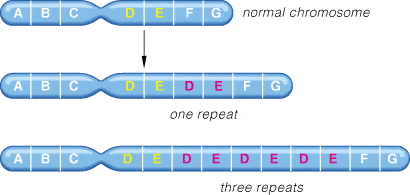
A piece of a chromosome is copied and remains within the chromosome

a)

deletion

b)

duplication

c)

inversion

d)

translocation

3.

A piece of the chromosome detches, turns 180 degrees, and reattaches

a)

deletion

b)

duplication

c)

inversion

d)

translocation

4.

A piece of one chromosome detaches and reattaches to a different chromosome

a)

deletion

b)

duplication

c)

inversion

d)

translocation

5.

The chromosomal mutation shown in the image is a

a)

deletion

b)

duplication

c)

inversion

d)

translocation

6.

The chromosomal mutation shown in the image is a

a)

deletion

b)

duplication

c)

inversion

d)

translocation

7.

The chromosomal mutation shown in the image is a

a)

deletion

b)

duplication

c)

inversion

d)

translocation

8.

The chromosomal mutation shown in the image is a

a)

deletion

b)

duplication

c)

inversion

d)

translocation

9.
Identify the mutation in the picture.
a)
Inversion
b)
Deletion
c)
Duplication
d)
Translocation
10.
Identify the mutation in the picture.
a)
Inversion
b)
Duplication
c)
Deletion
d)
Translocation
11.
Identify the mutation in the picture.
a)
Deletion
b)
Inversion
c)
Duplication
d)
Translocation
12.
When can a mutation be passed on to offspring?
a)
only when the mutation is present during or occurs during mitosis
b)
only when the mutation is present during or occurs during meiosis
c)
when the mutation occurs during mitosis or meiosis
d)
when the mutation occurs in somatic cells
13.
A chromosome is found to be shorter than it's homologous match.  Which type of mutation would this most likely be?
a)
insertion
b)
deletion
c)
translocation
d)
inversion
14.

Notice the abnormal 23rd chromosome. This individual has an extra X chromosome. What type of mutation is this?

a)

Translocation

b)

Nondisjunction

c)

Dublication

d)

Inversion

e)

Deletion

15.

Duplication

a)

A

b)

B

c)

C

d)

D

e)

E

16.

Inversion

a)

A

b)

B

c)

C

d)

D

e)

E

17.

Deletion

a)

A

b)

B

c)

C

d)

D

18.

Translocation

a)

A

b)

B

c)

C

d)

D

19.
Determine the sex of the individual whose karyotype is displayed in the image.
a)
female
b)
male
20.
Determine the sex of the individual whose karyotype is displayed in the image.
a)
female
b)
male
21.
Which structure is labeled as C in the diagram?
a)
Centromere
b)
Chromosome
c)
Sister chromatids
22.
Which structure is labeled as B in the diagram?
a)
Centromere
b)
Chromosome
c)
Sister chromatids
23.
Which structure is labeled as A in the diagram?
a)
Centromere
b)
Chromosome
c)
Sister chromatids
24.
When chromosomes fail to separate correctly during anaphase of meiosis, what can occur?
a)
extra chromosomes are found in the sex cell
b)
chromosomes of the sex cell are doubled
c)
chromosomes of the sex cell are halved
d)
meiosis never completes
25.
Nondisjunction can result in 
a)
trisomy conditions
b)
monosomy conditions
c)
additional sex chromosomes
d)
all of these
26.
A pair of identical chromosomes shown in a karyotype, one inherited from mom, and one inherited from dad are called
a)
sister chromotids
b)
centromeres
c)
homologous chromosomes
d)
autosomes
27.
An egg contains
a)
22 autosomes and an X chromosome
b)
22 autosomes and an Y chromosome
c)
44 autosomes and 2 X chromosomes
d)
44 autosomes and an X and a Y chromosome
28.
What makes this individual's karyotype not normal?
a)
An extra sex chromosome
b)
An extra autosome
c)
A missing sex chromosome
d)
A missing autosome
29.
What is the sex of this individual?
a)
female
b)
male
30.
What is the sex of this individual?
a)
female
b)
male
31.
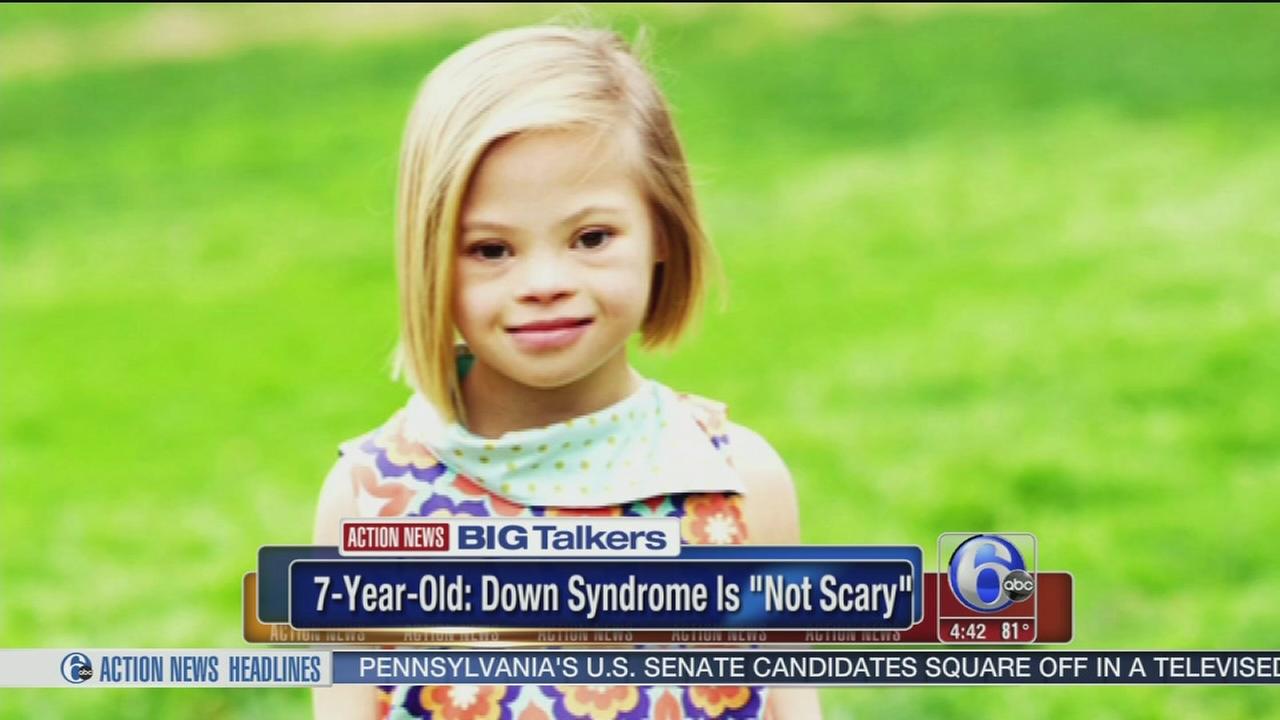
Down's syndrome occurs because of a(n)
a)
missing sex chromosome
b)
extra sex chromosome
c)
additional 21st chromosome
d)
additional 18th chromosome
32.
Klinefelter's Syndrome has the karyotype notation of 
a)
47XX+21
b)
47XXY
c)
45XO
d)
44XX
33.
Turner's Syndrome has a karyotype notation of
a)
47XX+21
b)
47XXY
c)
45XO
d)
44XX
34.
Chromosome pairs 1-22 are referred to as
a)
sex chromosomes
b)
sister chromatids
c)
a karyotype
d)
autsomes
35.
Which process and type of resulting cells are represented?
a)
mitosis, gametes
b)
mitosis, body cells
c)
meiosis, gametes
d)
meiosis, body cells
36.
What is it called when a sperm and egg meet?
a)
meiosis
b)
fertilization
c)
cell division
d)
mitosis
37.
The chromosomes that pair up during meiosis, are called __________ chromosomes.  
a)
homozygous 
b)
asexual
c)
homologous
d)
genes
38.
A male shark has 40 chromosomes in each of its sex cells. How many would be present in its body cells?
a)
20
b)
40
c)
80
d)
160
39.
Which letter(s) in the diagram correspond to cells that are haploid? 
a)
A
b)
B
c)
C
d)
A and B
40.
What is one of the advantages, why is it better to reproduce sexually versus asexually?
a)
survival of the fittest
b)
overproduction
c)
genetic variation
d)
cloning
41.
What causes genetic variation in meiosis?
a)
chromosomes lining up
b)
crossing over of chromosomes
c)
separation of chromosomes
d)
chromosomes pulling apart
42.
A human zygote should have _____ chromosomes inside.
a)
46
b)
23
c)
92
d)
64
43.
A human being has a somatic cell that has 46 chromosomes.  What is the haploid number found in a gamete?
a)
23
b)
46
c)
69
d)
92
44.
What is this?
a)
Trisomy 13
b)
Monosomy 21
c)
47, XXY
d)
Trisomy 21
45.
Diploid Cells are represented by
a)
2n
b)
n
c)
4n
d)
1/2 n
46.

What phase of Meiosis is this?

a)

Telophase I

b)

Anaphase I

c)

Anaphase II

d)

Telophase II

47.

What phase is the picture showing?

a)

Metaphase I

b)

Metaphase II

c)

Prophase II

d)

Anaphase I

48.

Crossing over occurs in what phase of Meiosis?

a)

Prophase I

b)

Prophase II

c)

Metaphase I

d)

Interphase

49.

Homologous pairs line up in the middle of the cell in what phase of Meiosis?

a)

Metaphase I

b)

Metaphase II

c)

Mitosis

d)

Prophase II

50.

When chromosomes cross over they form what?

a)

A tetrad

b)

A spindle fiber

c)

A chromatid

51.

Genetic information is transferred to homologous pairs during what?

a)

Cytokinesis

b)

Crossing over

c)

Interphase

52.

What phase of Meiosis is the picture showing?

a)

Metaphase I

b)

Telophase I

c)

Anaphase II

d)

Telophase II

53.

What phase is in the picture?

a)

Anaphase I

b)

Anaphase II

c)

Telophase I

d)

Metaphase II

54.

What phase is in the picture?

a)

Prophase 1

b)

Prophase 2

c)

Telophase 2

55.
How many daughter cells are produced at the end of meiosis?
a)
1
b)
2
c)
3
d)
4
56.
Before mitosis or meiosis can begin, DNA must go through Interphase. This is when...
a)
DNA replicates
b)
DNA splits
c)
DNA forms chromosomes
d)
Chromosomes cross over
57.
In meiosis, Prophase 1 is when chromosomes...
a)
cross over
b)
mutate
c)
hybridize
d)
fertilize
58.
What is one reason why we need meiosis?
a)
To double the number of chromosomes going into sex cells
b)
To halve the number of chromosomes going into sex cells
c)
To triple the number of chromosomes going into sex cells
d)
To not change the number of chromosomes going into sex cells