Wayground logo

Free Printable Worksheets

Font size

S
M
L
XL
Worksheets

body systems

Total questions: 53

Worksheet time: 56mins

Name
Class
Date
1.
Which system detects information from the environment and directs the way your body responds to this information?
a)
excretory
b)
circulatory
c)
respiratory
d)
nervous
2.

Which system fights disease?

a)

endocrine

b)

nervous

c)

lymphatic/immune

d)

digestive

3.
Which system collects and removes wastes?
a)
Muscular
b)
Circulatory
c)
Digestive
d)
Excretory
4.
Which system includes the kidneys, ureters, urinary bladder, urethra, lungs and skin?
a)
digestive
b)
excretory
c)
circulatory
d)
muscular
5.
Which system includes the brain, spinal cord, eyes, ears, and skin?
a)
Muscular
b)
Nervous
c)
Respiratory
d)
Skeletal
6.
Which two body systems work together to break down food and get rid of wastes?
a)
digestive and excretory
b)
digestive and circulatory
c)
excretory and respiratory
d)
nervous and digestive
7.
What is the main function of the excretory system?
a)
to collect and remove wastes from the body
b)
to strengthen skeletal muscles
c)
to protect the nervous system
d)
to bring oxygen to body cells
8.
Which organ of the excretory system stores urine until the body is ready to eliminate it?
a)
ureters
b)
urethra
c)
urinary bladder
d)
urea
9.
Which excretory organ eliminates water and some chemical wastes in perspiration?
a)
lungs
b)
skin
c)
liver
d)
kidneys
10.
The process of removal of the body’s wastes is called
a)
gas exchange.
b)
respiration.
c)
excretion.
d)
filtration.
11.
Using the picture, what is the structure of A?
a)
ureter
b)
kidney
c)
urinary bladder
d)
urethra
12.
Using the picture, what is the function of structure C?
a)
Carries urine away from the kidneys
b)
Stores urine
c)
Eliminates urea, excess water, and some other materials
d)
Carries urine away from body and eliminates it
13.
Using the picture, what is the function of structure D?
a)
Carries urine away from the kidneys
b)
Stores urine
c)
Eliminates urea, excess water, and some other materials
d)
Carries urine away from body and eliminates it
14.
Use the diagram, what is structure B?
a)
urethra
b)
kidney
c)
ureter
d)
urinary bladder
15.
Use the diagram, what is structure C?
a)
urethra
b)
kidney
c)
ureter
d)
urinary bladder
16.
These organs are responsible for what?
a)
storing urine
b)
storing water
c)
filtering blood
d)
they don't have a particular job 
17.
Urine flows out of the kidneys through narrow tubes called
a)
Gallbladder
b)
Ureter
c)
Nephrons
d)
Urethra
18.
What is #2?
a)
Kidney
b)
Ureters
c)
Bladder
d)
Urethra
19.
What is #3?
a)
Kidney
b)
Ureters
c)
Bladder
d)
Urethra
20.
What is #1?
a)
Kidney
b)
Ureters
c)
Bladder
d)
Urethra
21.
What is the main function of the excretory system?
a)
to collect and remove wastes from the body
b)
to strengthen skeletal muscles
c)
to protect the nervous system
d)
to bring oxygen to body cells
22.
What organ is D pointing to?
a)
Ureters
b)
Bladder
c)
Urethra
d)
Kidney
23.
What organ is C pointing to?
a)
Ureters
b)
Bladder
c)
Kidney
d)
Urethra
24.
What organ is B pointing to?
a)
Kidney
b)
Urethra
c)
Ureter
d)
Bladder
25.
What organ is 1 pointing to?
a)
Kidney
b)
Urethra
c)
Bladder
d)
Ureter
26.

What function do the kidneys perform?

a)

Eliminate carbon dioxide

b)

Give oxygen to body cells

c)

Clean waste from the blood

d)

Digest food

27.
1
a)
Mouth 
b)
Salivary Glands
c)
Esophagus
d)
Stomach
28.
2
a)
Mouth 
b)
Salivary Glands
c)
Small Intestine
d)
Rectum
29.
3
a)
Esophagus
b)
Salivary Glands
c)
Stomach
d)
Pancreas
30.
4
a)
Gallbladder
b)
Liver
c)
Stomach
d)
Pancreas
31.
6
a)
Stomach
b)
Small Intestine
c)
Large intestine
d)
Rectum
32.
What comes first?
a)
Mouth
b)
stomach
c)
large intestine
d)
none
33.
Why is the esophagus/food pipe important?
a)
To swallow food
b)
To choke
c)
To make your breath smelly
d)
None of these
34.
What is the small intestine responsible for?
a)
takes in more enzymes and starts absorption
b)
breaking down food
c)
chewing
d)
adding food
35.
Taking in food through the mouth is called
a)
Ingestion
b)
Digestion
c)
Absorption
d)
Dissection
36.
The rectum does what?
a)
Takes out the waste
b)
Just leave it in there
37.
What are the main parts of the digestive system 
a)
stomach, small and large intestine
b)
mouth,stomach,esophagus,large and small intestine, and rectum
c)
stomach, lungs, trachea, rectum
d)
large and small intestine, trachea, stomach, mouth
38.
Muscular tube that connects the mouth to the stomach
a)
Epiglottis
b)
Peristalsis
c)
Stomach
d)
Esophagus
39.
What are the main parts of the digestive system 
a)
stomach, small and large intestine
b)
mouth,stomach,esophagus,large and small intestine, and rectum
c)
stomach, lungs, trachea, rectum
d)
large and small intestine, trachea, stomach, mouth
40.
What breaks down food in stomach?
a)

enzymes

b)
salivary glands
c)
movement 
d)
time
41.
The _______ send and receive messages from the brain.
a)
Nerves
b)
Spinal Cord
c)
Brain
42.
The ________ is a rope-like bundle of nerves. It is also the main pathway for information.
a)
Nerves
b)
Spinal Cord
c)
Brain
43.

what is a reflex

a)

learned response

b)

born with, not learned

c)

fluid like substance

d)

trait you carry but do not have

44.

receptors for touch/feel

a)

retina

b)

taste buds

c)

skin

d)

cochlea

45.

Reflexes keep animals out of __________________.

a)

water

b)

food

c)

danger

d)

money

46.

A ____________ is a behavior that doesn't involve the brain.

a)

instinct

b)

reflex

c)

learned behavior

d)

spinal cord

47.

Reflexes are not simpler than instincts.

a)

True

b)

False

48.

The spinal cord sends a message to the part of the body that needs to ___________.

a)

react

b)

sleep

c)

stop working

d)

eat

49.

Reflexes work _______________ than instincts.

a)

faster

b)

slower

50.
the ____ look like a wasp's nest and is where the exchange of oxygen and carbon dioxide takes places.
a)
alveoli
b)
bronchial tubes
c)
lung
d)
diaphragm
51.
What is the main bone structure that protects the lungs
a)
Vertebrae
b)
Rib cage
c)
Skull
d)
Pelvis
52.

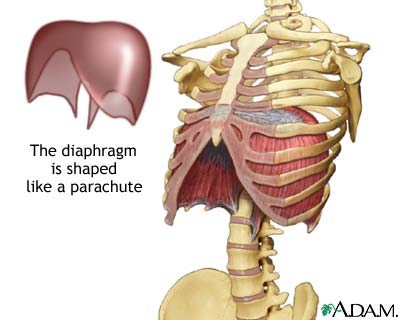
What is function of the dome-shaped diaphragm muscle?

a)

This is where gas exchange happens.

b)

Air passes through the diaphragm on the way to the lungs.

c)

It attaches to the lungs and contracts and relaxes to help in breathing.
53.

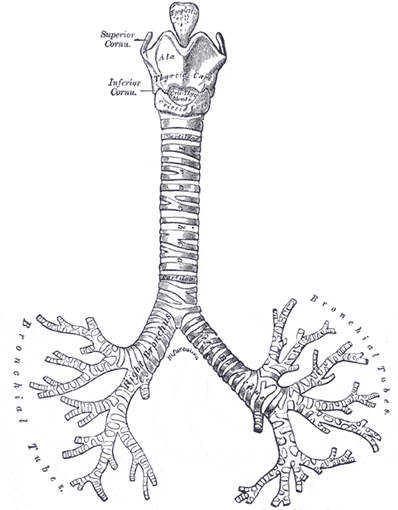
These are the two two main branches from the trachea (one to each lung)

a)

bronchi

b)

alveoli

c)

capillaries

d)

bronchioles