
 Worksheets
SCIENCE FORM 1: CHAPTER 6 PERIODIC TABLE
Total questions: 41
Worksheet time: 26mins
Atom consists of three subatomic particles, except:
electron
proton
molecule
neutron
Electron is a particle with ________ charge.
negative
positive
no
Proton is a particle with _________ charge.
negative
positive
no
Neutron is a particle with _________ charge.
negative
positive
no
'Neutral particles made up of two or more atoms' is the definition of:
element
atom
molecules
mixture
Which of the following is the example an element?
shell
salt
cocktail
oxygen tank
A compound consists of two or more elements combined physically.
True
False
Salt (NaCl) is an example of a compound. What are the elements found in salt?
Carbon, calcium and oxygen
Carbon, hydrogen and oxygen
Sodium and chlorine
Oxygen and carbon
Periodic Table is an orderly arranged table of __________?
compounds
mixture
atoms
elements
Select three correct characteristics of a METAL.
can conduct heat & electricity
low melting and boiling point
high tensile strength
shiny appearance
low density
All of the following are the example of metals, except:
aluminium
copper
carbon
zinc
All of the following are the example of non-metals, except:
iodine
chlorine
carbon
iron
All of the following can conduct electricity, except:
carbon
sulphur
copper
iron
MIxtures can be separated physically.
True
False
Impurities can be removed from flour using magnet.
True
False
Which of the following is the characteristics of an electron?
Neutral particle
Inside the nucleus of an atom
Circle around the nucleus
No charge

Which of the following is the element in Group 1 and Period 2 ?
Beryllium (Be)
Magnesium (Mg)
Sodium (Na)
Lithium (Li)

Which of the following are the noble gases shown in the Periodic Table?
Helium (He), Neon (Ne)
Fluorine (F), Chlorine (Cl)
Lithium (Li), Sodium (Na)
Carbon (C), Silicon (Si)

Beryllium and magnesium are placed in the same group. Why?
Both are metal
Both have similar characteristics
Both have same number of protons
Both have different characteristics
What is compound?
Two or more kinds of elements that are mixed chemically
Elements and compounds mix physically
One type of element exists
Two kinds of elements mix physically
Which of the following is an example of compound?
Oxygen
Carbon Dioxide
Hydrogen
Carbon
Which of the following is the characteristics of an mixture?
Form chemical bond
Form new substances
Physical separation method
Different properties of new substances compared to the original
Which of the following is the method to separate water and oil?
Distillation
Sedimentation
Separation using magnet
Floatation
Distillation is used to separate
a completely miscible liquid-liquid mixture that have different boiling points
an insoluble solid from a mixture of solid and liquid
separate two solid mixtures (one is magnetic and the other is not magnetic)
separate soluble and insoluble solid mixture

Name the method used to separate the coloured pigments.
Floatation
Chromatography
Distillation
Sedimentation

the positively charged subatomic particle contained in the nucleus of an atom
proton
neutron
electron
matter

a negatively charged subatomic particle that orbits the nucleus of an atom
proton
neutron
electron
matter

What does the atomic mass tell you?
Basically,the number of electrons and protons
The number of neutrons
Basically, the number of protons and neutrons
The number of protons.
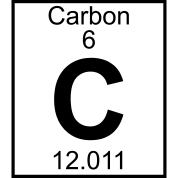

atomic number
gas at room temperature, low boiling point
a subatomic particle that has a negative charge
number or protons and neutrons
the number of protons in the nucleus of an atom
neutron
A subatomic particle that has a positive charge and that is found in the nucleus of an atom
not able to conduct heat or electricity, little to no metallic luster
A subatomic particle that has a negative charge
A small particle in the nucleus of the atom, with no electrical charge
A subatomic particle that has a positive charge and that is found in the nucleus of an atom
Proton
elecrtron
groups
neutrons
A subatomic particle that has a negative charge
nobles gases
protons
electrons
neutrons


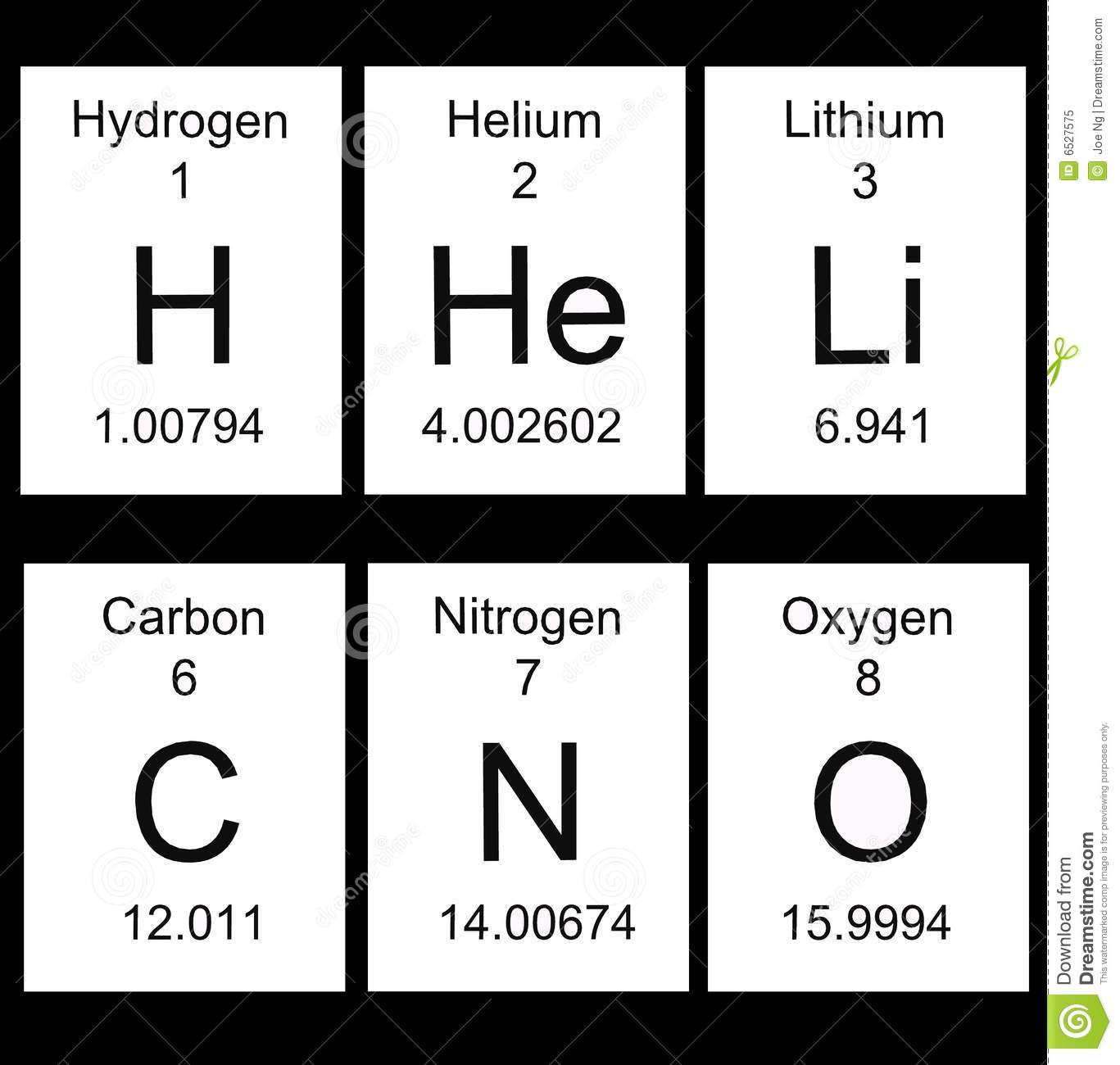


noble gases

