
 Worksheets
Succession & Invasive Species
Total questions: 25
Worksheet time: 50mins
First species to arrive in an area
invasive species
abiotic components
pioneer species
parasites

Stable, final stage of succession such as an old growth forest
adaptation
pioneer species
niche
climax community


A type of succession where a ecosystem starts with soil, like after a forest fire or farm is called...
primary succession
secondary succession
tertiary succession
variable succession
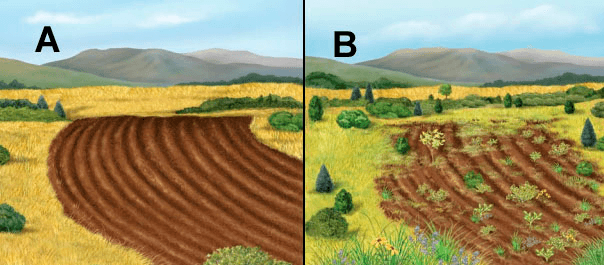
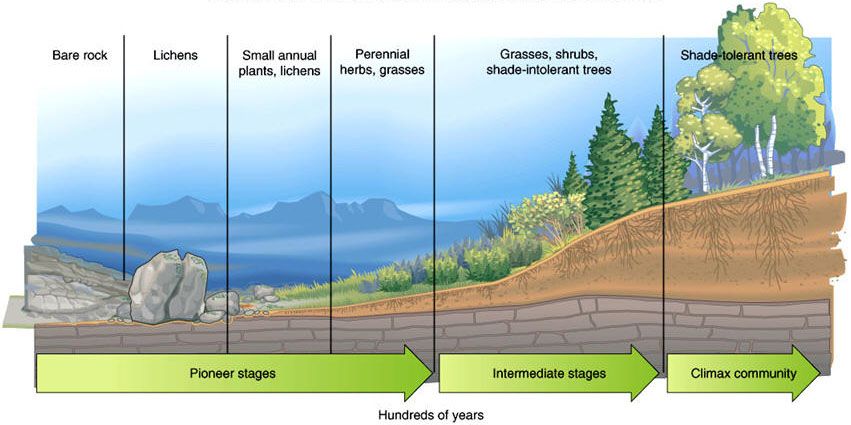
The picture shows what type of succession starting with bare rock?
primary
secondary
tertiary
quadanary
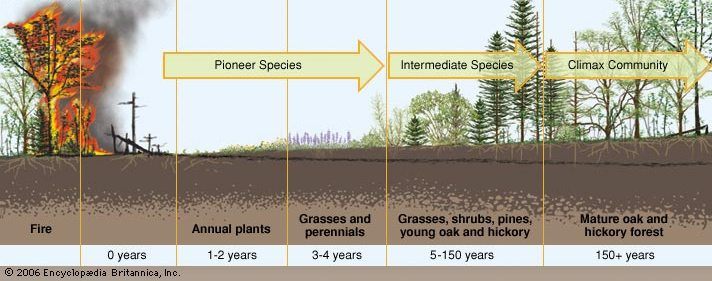
The picture shows what type of succession starting with soil already in place?
primary
secondary
tertiary
quadanary
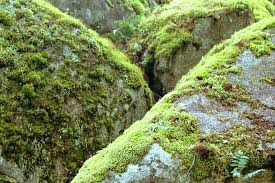

In __________ ___________ areas of bare rock go through population changes that leads to a new ecosystem
Abiotic factors
Secondary Succession
Primary Succession
Climax Communities
Which of the following ways do not break apart rock in primary succession?
Lichens
Mosses
Wind
Insects

What is an invasive species?
A species that is in an ecosystem as a result of primary succession
A species that is native to the land
A species that is not part of the original ecosystem but has made its way into it
A species that wipes out all organisms in the area

Kudzu has overgrown many parts of the southern United States and as a result, many native ground plants have disappeared from the area. This is an example of:
Parasitism between kudzu and the native plants
A predator/prey relationship between ground plants and kudzu
Competition occurring between the native and invasive species
Commensalism occurring between the kudzu and native plants

Why are Burmese pythons not a problem in their native Asia, but are a problem in Florida?
They are much bigger in Florida
Diseases, parasites, and predators help to control their population in Asia
They have more predators in Florida
They have less predators in Asia
The primary cause of invasive species introduction is
too much food
human actions
weather events
asteroids
All of the below are ways you can help control invasive species except
don't pick wildflowers
spread the word
clean boats and boating equipment
landscape with non-native species



Invasive species alter the ecosystem by _____ in number quickly. This leads to _____ food for the native species.
increasing, less
increasing, more
decreasing, less
decreasing, more

