
 Worksheets
General Science
Total questions: 50
Worksheet time: 50mins

We can prevent water pollution by:
Reduce the use of plastic.
Properly dispose of chemicals.
Clean up after your animals.
All of the above
Check all answers.
How can water be purified?
Using bleach and Boiling it
Filtering it and pouring oil in it
pouring oil in it and using bleach
nothing
What is water pollution?
Which is not true about our sense organs?
Allows us to observe our environment
Protects us from danger
Allows us to find food
Makes us sick
We use our ______________ to hear different sounds.
legs
eyes
ears
Our tongue has many _________
pores
bumps
taste buds
I use my tongue to
taste
eat
smell
heat
i use my nose to
hear
smell
eat
feel
i use my skin to
see
hear
taste
feel
the color of the apple is red. what sense organs that is use in the sentence?
eyes
nose
ears
skin
"someone is playing piano" what sense organs that use in the sentence?
eyes
ear
nose
skin
we smell things with our?
eyes
nose
ear
skin
how many senses that people have?
6
4
3
5
There are ___________________basic tastes.
two
four
eight
six

What basic taste is number 4?
Bitter
sour
salty
sweet

What basic taste is labeled 2?
Bitter
sour
sweet
salty

What basic taste is labeled 3?
Sour
sweet
salty
bitter

What basic taste is labeled 4?
Sweet
Sour
Salty
Bitter
What is the purpose of the tongue?
These are the tiny hairs inside your nose.
nostrils
cilia
nasal cavity
This is a part of a nose that can receive and detect the different odors.
olfactory nerve
olfactory bulb
olfactory epithelium
This is the passageway that sends signals to olfactory bulb.
olfactory bulb
olfactory nerve
olfactory epithelium
This send signals to the brain.
olfactory bulb
olfactory nerve
olfactory epithelium
This is large open space inside the nose and where air comes in when we breathe.
cilia
nasal cavity
nostrils
These are two small openings in the nose.
cilia
nasal cavity
nostrils
Your nose is lined with a moist, thin layer of tissue called a ____________.
mucous membrane
lungs
olfactory nerve
none of the above
Mucus captures dust, germs that can irritate the lungs.
True
False
What three ways can your nose help you?
When you smell something delicious, what part of your nose detects this?
What is the name of the wall that separates the nostrils?
A diet lacking in ___________ leads to the development of a disease known as scurvy.
Vitamin A
Vitamin B
Vitamin C
Vitamin D
Vitamin D's major function:
To prevent birth defects in unborn children
To keep the bones supplies with Calcium
To help the red blood cells absorb iron
Vitamin A is known for:
It's vision-related function
Blood clotting
To prevent birth defects in unborn children
Calcium helps to:
Prevent birth defects
Vision
Build strong bones
Which vitamin can be manufactured by skin exposure to the sun?
Thiamin
Vitamin K
Vitamin D
Which foods are the best source of Vitamin C:
Fresh fruits and vegetables
Cooked fruits and vegetables
Animal foods
What does Vitamin A do?
It helps your metabolism.
It helps you see.
Helps your genes.
Helps your brain.
Deficiency of __________ causes Night blindness.
Vitamin B1
Vitamin D
Vitamin A
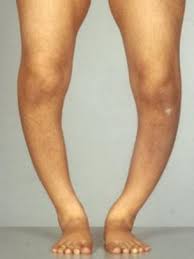
Deficiency of which nutrient leads to this disease?
Vitamin A
Vitamin D
Vitamin C
Having foods rich in this vitamin will prevent Beriberi disease.
Vitamin A
Vitamin C
Vitamin B1
If you suffer from Anaemia you should eat foods rich in _____.
Vitamin A and C
Calcium and Phosphorus
Iron and Vitamin B12
The deficiency diseases can be prevented by having ___________.
Junk food
Balanced diet rich in fresh fruits and vegetables
Lots of water

Identify the disease and name the deficiency that causes it?
Kwashiorkar, caused due to deficiency of proteins
Kwashiorkar, caused due to deficiency of proteins and carbohydrates
Marasmus, caused due to deficiency of proteins
Marasmus, caused due to deficiency of proteins and carbohydrates
Having foods rich in this vitamin will prevent Beriberi disease.
Vitamin A
Vitamin C
Vitamin B1
________ is a disease that can be passed to a person from another person, animal or object.
Non-communicable disase
Communicable Disease
Pathogens

