wayground logo

Free Printable Worksheets

Font size

S
M
L
XL
Worksheets

reviewer for chemistry

Total questions: 65

Worksheet time: 42mins

Name
Class
Date
1.
Is hydrogen considered a metal or a non-metal?
a)
A metal
b)
Nonmetal
c)
Metalloid
2.
What is a valence electron?
a)
The sum of neutrons and protons.
b)
The # of electrons in the last shell.
c)
A type of bond.
d)
A popular compound.
3.
Same repel, opposites
a)
avoid
b)
attract
c)
push
d)
pull
4.
Is this ionic bond drawn correctly?
a)
Yes
b)
No
5.
Ionic bonds are between...
a)
Metal and Non-metal
b)
Non-metal and Non-metal
c)
Metal and Metal
6.
Atoms are most stable when their outer shell is complete.
a)
true
b)
false
7.
How are ionic bonds formed?
a)
Transfer of electrons
b)
Sharing of electrons
8.
Why do elements bond?
a)
To be friends
b)
To create a new element
c)
To become stable
9.
Two or more atoms held together by a chemical bond is called what?
a)
A molecule
b)
A molecure
10.
Which of these is not a real bond in chemistry?
a)
James
b)
Ionic
c)
Covalent
11.
An electron has what kind of charge?
a)
no charge
b)
positive 
c)
negative
d)
it depends
12.
Atoms that gain electrons become...
a)
negatively charged
b)
positively charged
c)
remain neutrally charged
d)
21
13.

Why do all bonds form?

a)

so the number of protons equals the number of electrons

b)

so an atom can become unstable

c)

to fill the outermost energy level

14.

How many Aluminum atoms are in Al2O3?

a)

3

b)

5

c)

2

d)

1

15.

Write the correct formula for Sodium Chloride.

a)

SC

b)

SCl

c)

NaCl

d)

NaCl2

16.
What are ionic bonds?
a)
valence electrons transferred between atoms
b)
Inner most electrons transferred between atoms
17.
When the number of electrons equals the number of protons the atom has what charge?
a)
sponge bob
b)
positive charge
c)
negative charge
d)
neutral charge
18.

what factors that affect the rate of a reaction?

(a)  

19.

The positive ions tend to _____________ electrons.

a)

lose

b)

gain

20.

The negative ions tend to _____________ electrons.

a)

lose

b)

gain

21.

Why are sodium and chlorine attracted to each other?

a)

they have opposite charges

b)

they both have negative charges

c)

they both have positive charges

22.

Valence electrons are found

a)

in the innermost energy level of an atom

b)

in the middle energy levels of an atom

c)

in the outermost energy levels of an atom

23.

How many valence electrons does hydrogen have?

a)

1

b)

2

c)

3

d)

4

24.

When an atom loses an electron, it becomes a

a)

positive ion

b)

negative ion

c)

neutral ion

d)

neutral atom

25.

Why do all bonds form?

a)

so the number of protons equals the number of electrons

b)

so an atom can become unstable

c)

to fill the outermost energy level

26.
Ionic bonds are between...
a)
Metal and Non-metal
b)
Non-metal and Non-metal
c)
Metal and Metal
27.
How are ionic bonds formed?
a)
Transfer of electrons
b)
Sharing of electrons
28.
Why do elements bond?
a)
To be friends
b)
To create a new element
c)
To become stable
29.
Atoms that gain electrons become...
a)
negatively charged
b)
positively charged
c)
remain neutrally charged
d)
21
30.
What is the charge on a Hydrogen ion?
a)
+1
b)
1
c)
2
31.
How many valence electrons does calcium have?
a)
2
b)
4
c)
6
d)
7
32.
Ionic bonds form between two ions that have...
a)
ionic compounds
b)
negative charges
c)
positive charges
d)
opposite charges
33.
An atom that has gained or lost electrons is called ...
a)
a winner
b)
an isotope
c)
an ion
d)
a loser
34.

What type of elements form cations?

a)

metals

b)

nonmetals

c)

metalloids?

35.

Cations

a)

Gain electrons, has an overall positive charge

b)

Lose electrons, has an overall positive charge

c)

Lose electrons, has an overall negative charge
d)

Gain electrons, has an overall negative charge

36.

Anions

a)

Gain electrons, has an overall positive charge

b)

Lose electrons, has an overall positive charge

c)

Lose electrons, has an overall negative charge

d)

Gain electrons, has an overall negative charge

37.
How do covalent bonds form?
a)
Donating & receiving valence e- between atoms.
b)
Opposite slight charges attract each other between compounds.
c)
Scientists are still not sure how they form.
d)
Sharing valence e- between atoms.
38.
Which of the following is NOT formed by a covalent bond?
a)
K2S
b)
H2O
c)
I2
d)
CO2
39.
Covalent bonds are between...
a)
Metal and Non-metal
b)
Non-metal and Non-metal
c)
Metal and Metal
40.
Is hydrogen considered a metal or a non-metal?
a)
A metal
b)
Nonmetal
c)
Metalloid
41.
Ionic or covalent?
NaBr
a)
Ionic
b)
Covalent
42.
Ionic or covalent?
H2O
a)
Ionic
b)
Covalent
43.

How is covalent bonding represented?

a)

by writing its valence electrons

b)

by writing its Lewis structure

c)

by writing its number of bonds

d)

by writing its number of protons

44.

What kind of element forms covalent bond?

a)

metals

b)

semi -metals

c)

non metals

d)

metal and non metal

45.
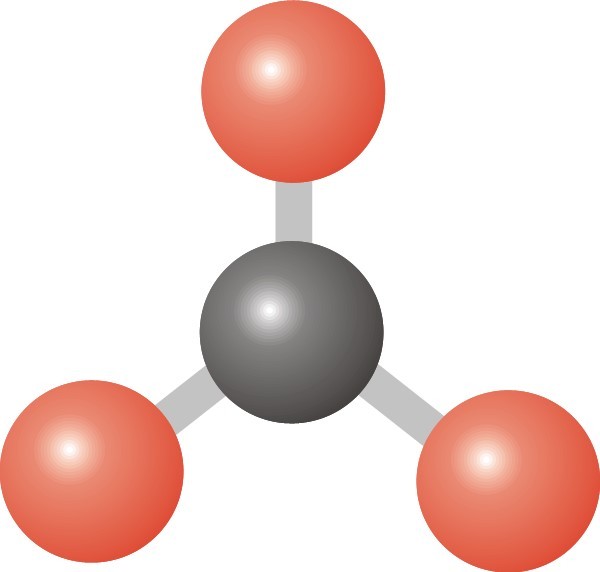
What molecule could this be? 
a)
BF3
b)
CH4
c)
H2O
d)
CO2
46.
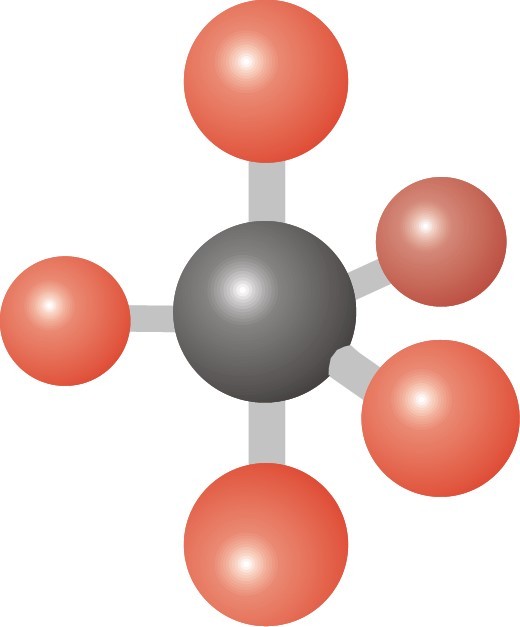
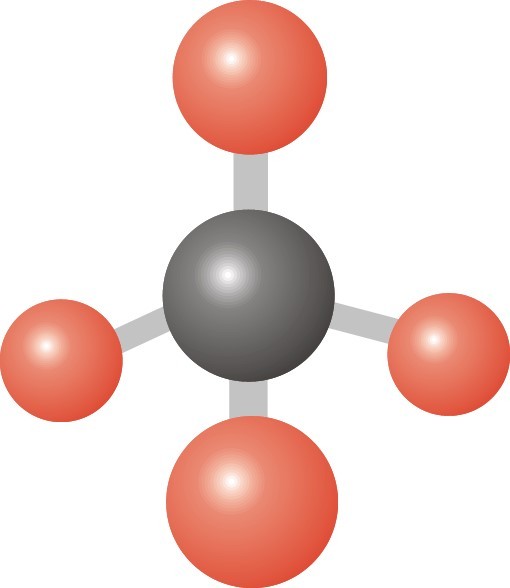
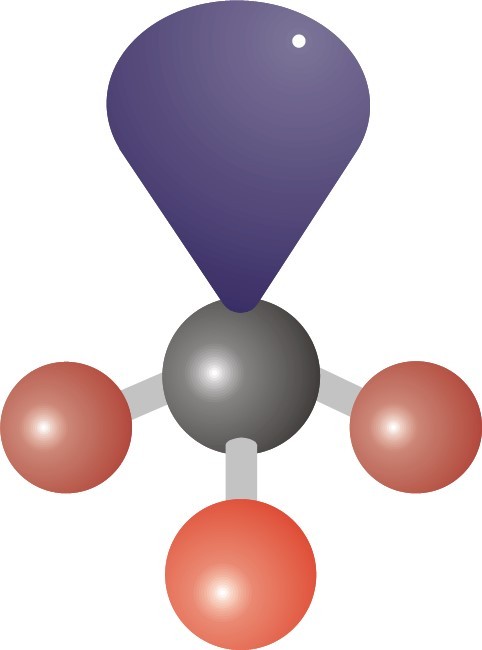
What molecule could this be? 
a)
H2O
b)
CCl4
c)
PCl5
d)
NaCl
47.
Who could this molecule be?
a)
CH4
b)
CO2
c)
PCl5
d)
BF3
48.
Who could this be? 
a)
CO2
b)
NH3
c)
H2S
d)
CH4
49.
Who could this be?
a)
H2O
b)
NH3
c)
CO2
d)
CH4
50.
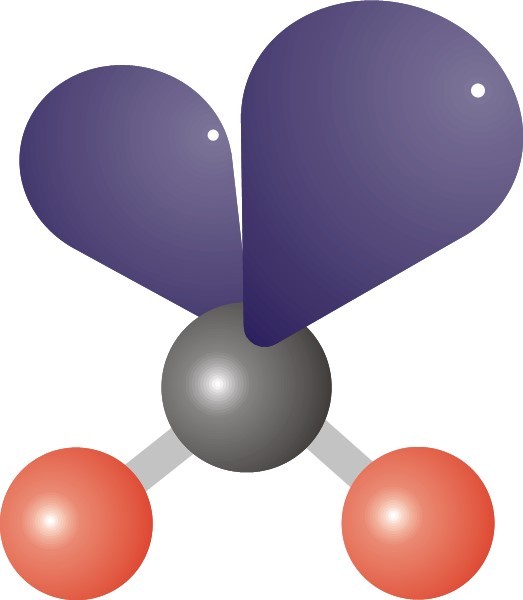
How many lone pairs are in this molecule's structure?
a)
6
b)
2
c)
0
d)
4
51.
Phosphorous trichloride
a)
PCl3
b)
P3Cl
c)
P3Cl3
d)
PCL
52.
What two types of atoms make a covalent bond?
a)
2 Nonmetals
b)
1 Nonmetal and 1 Metal
c)
2 Metals
d)
2 Noble Gases
53.
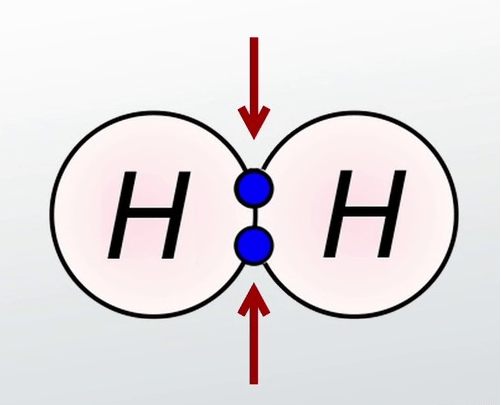
What type of bond is shown in this image?
a)
Ionic
b)
Polar Covalent
c)
Nonpolar Covalent
d)
Van der Waals Force
54.
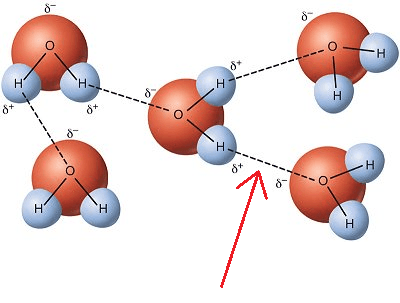
What type of bond is shown in this picture?  It is the WEAKEST type & attracts one water compound to another!
a)
Ionic bond
b)
Polar Covalent
c)
Nonpolar Covalent
d)
Van der Waals force
55.
Which of the following is NOT considered a diatomic element?
a)
Carbon
b)
Nitrogen
c)
Chlorine
d)
Iodine
56.
Diatomic elements are defined as IDENTICAL elements that bond with each other (i.e. Oxygen with Oxygen).  What do we call it when this forms?
a)
Compound
b)
Molecule
c)
Atom
d)
None of the above
57.

Found in the nucleus of an atom. This particle has a positive charge.

a)

Neutron

b)

Proton

c)

Electron

d)

Decepticon

58.

Found orbiting outside the nucleus, this subatomic particle has a negative charge.

a)

Neutron

b)

Proton

c)

Electron

d)

Idontknowatron

59.

Found in the nucleus of an atom, this subatomic particle has a neutral (or no ) charge

a)

Neutron

b)

Proton

c)

Electron

d)

Whattheheckatron

60.

The atomic number will always be the same as

a)

Mass number and number of protons

b)

Number of neutrons and protons

c)

number of electrons and protons

d)

Number of electrons and neutrons

61.

Name the element

a)

Boron

b)

Carbon

c)

Nitrogen

d)

Oxygen

62.

Name the element

a)

Aluminum

b)

Silicon

c)

Phosphorus

d)

Sulfur

63.

How many protons does indium have?

a)

49

b)

66

c)

114

d)

115

64.

What is the atomic mass of barium

a)

56

b)

82

c)

137

d)

138

65.

How many neutrons does platinum have?

a)

78

b)

117

c)

195

d)

196