
 Worksheets
Creative iMedia
Total questions: 68
Worksheet time: 35mins
Which of these images shows a Storyboard?


A visualisation diagram is a rough sketch or drawing of what a final design should look like
True
False
A visualisation diagram can be...
Hand drawn
Digital
Hand drawn or digital
Which of the following is not an example of an Interactive MultiMedia product?
Ordering kiosk in a fast-food restaurant
A digital map in a tourist information centre
A movie being shown in a cinema
A revision website with built in quizzes and videos
What does SWI stand for?
Strengths, Weaknesses and Instructions
Strengths, Weaknesses & Improvements
Strengths, Weaknesses & Ideas

To plan a poster you would use a...
Mood board
Mind map
Visualisation diagram
Storyboard
Script
What is a visualisation diagram created for?
Costumes, logos, posters, cars or webpage layouts
Movies
Comic Books
Story Plots
Which document is mainly text with dialogue (words) for actors and stage directions?
Storyboard
Script
Work Plan
Mood Board
Mind Map
Which document shows all the early ideas for a project on branches?
Mind Map
Script
Storyboard
Visualisation Diagram
Work Plan
Which document gives a visual example of how a media project will look on a timeline?
Mind Map
Storyboard
Script
Work Plan
Visualisation Diagram
Which document includes contingency plans?
Script
Storyboard
Mind Map
Mood Board
Work Plan
Which document is a set of pictures/colours/textures to give the ‘feel’ for a project?
Mood Board
Mind Map
Script
Storyboard
Visualisation Diagram
Which document shows a list of tasks and the time it will take it complete them?
Script
Storyboard
Mind Map
Work Plan
Visualisation Diagram
Which document shows possible styles for a project?
Visualisation Diagram
Storyboard
Script
Work Plan
Mood Board
Which two documents would not be needed if you were planning a magazine cover?
Script
Storyboard
Mood Board
Work plan
Visualisation Diagram

Taking regular breaks can prevent?
Repetitive Strain Injury (RSI)
Dehydration
Eye Strain
Tripping or falling

Trips and Falls can be prevented by?
Having a tidy desk
Using bright tape to mark steps in dark areas
Not overloading sockets
Using an adjustable chair

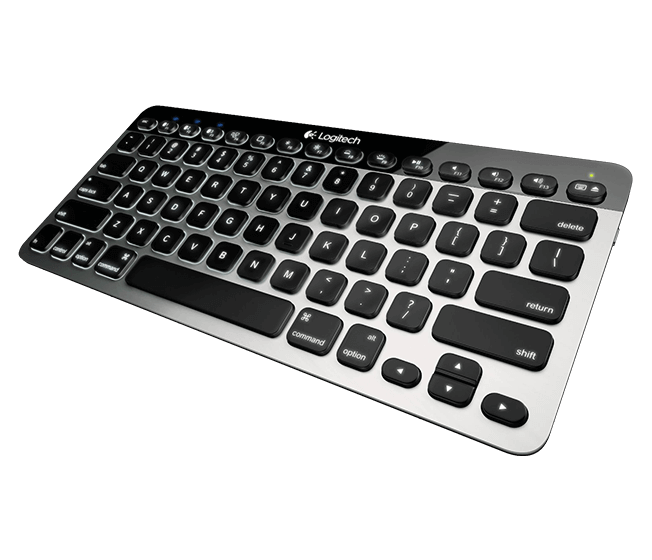
Which of the following reduces the eye strain problem?
Taking 5 min break every hour
Adjustable Chair
Using footrest

What is a site/location recce?
Where you visit the site and check/assess the location
When you visit a recreation centre
When you visit the site to give it a rating
When you visit the tip


What is legislation?
A law created by parliament
A system of moral beliefs
Social behaviour of a society
Principles of right and wrong
What is intellectual property?
A place of business where people invent and make things
The ownership and right to make money from ideas, inventions and creative work
Products and inventions made by a computer company
What does copyright mean?
You can buy any video, as long as it has an official logo on it
The person or organisation who creates an original work has the right to protect it and exclusively make a profit by using it
You are not allowed to watch a film with anyone else present in the room
Which law is broken if you buy a pirate copy of a DVD?
The Data Protection Act
The Copyright, Designs and Patents Act
Freedom of information Act
Computer Misuse Act

Name one risk of using a computer monitor (VDU)
Backache
Eyestrain
RSI
Physical risk such as tripping
Poor posture at a computer can lead to what type of injury?
A physical risk such as tripping over
Eyestrain
RSI
Backache
If you use a mouse and keyboard for extended periods of time it could lead to what type of injury?
Earache
Backache
RSI
Eyestrain
Which TWO documents might be completed at the earliest stages of a project?
Visualisation Diagram
Mind Map
Mood Board
Script
Storyboard

The structure of a mind map is:
Centralised idea - branch - node
Centralised idea - branch - node - branch
Centralised idea - Branch - node - sub node
Centralised idea - branch - node - branch - sub node

A mind map is used to quickly generate ideas
True
False
A mind map is used to develop links between ideas
True
False
A mind map is used to show what a product will look like
True
False
The main idea in the middle of a mind map is called..
Central idea
Central node
The ideas that are linked to the central idea in the middle of a mind map is called..
Sub ideas
Sub nodes
Ideas are joined together by...
Links
Branches
The target audience of a mind map would be...
Your client (who you work for)
The designer (who would use the mind map to create your product)
Your client and the designer
The customer (who will buy your product)

Take a look at the mindmap and tell me TWO weaknesses...
It is too colourful and does not use enough arrows
It does not have any branches does not use enough arrows
It is too colourful and there are no sub-nodes
It does not have any sub-nodes and it is not detailed enough

Look at the content and layout of this mindmap. What are TWO strengths?
It is colourful and pretty
It has an image of a sun and has a suitable central idea
It has a suitable central idea and clear and relevant branches/sub-nodes
It includes branches and the family members
Which best describes a moodboard?
A collection of sample materials and products related to a topic
A rough drawing or sketch
A diagram to arrange thoughts around a central node
An illustration of a series of moving images
Which TWO documents might be completed at the earliest stages of a project?
Visualisation Diagram
Mind Map
Mood Board
Script
Storyboard
What content can be included on a moodboard...
Images
Colours
Font styles
Nodes
Camera movements
Mood boards collect together a range of items such as images or colours
True
False

What 3 items can you see on this mood board?
Photos
Drawings
Text Styles
Colour Swatches
Textures that you can feel
Which of these is a purpose for a work plan?
To decide who the project is aimed at
To provide a timescale for completing the project
To make the project seem more organised to other people
To tell people what jobs they need to do
What are tasks?
Key dates when a section may be completed
Back up plans
Main sections of a project
People involved in the project
What is an activity?
A series of things that you must do to complete a task
A practice to do before making a project
A fun idea for your lunch break
A large section of a project
What are durations?
The different ways an advert could be broadcasted
Things that could cause issues within the project
The amount of time that you have to complete a project
The amount of time that a task or activity is expected to take
What are timescales?
How long the overall project will take to complete
The amount of time that you have to complete tasks or activities
The date by which the project must be finished
The different roles within the project
What are milestones?
The time allowed for tasks or activities
Sections of activities
Key dates when a section is completed
Different standards of quality (e.g. good milestone = good quality)
What are deadlines?
Options that have been ruled out
Dates which something must be finished by
Schedules for different people working on the project
The times that sections are expected to take
What are resources?
Food that the law makes project leaders provide
Back up plans if something goes wrong
Credits on a project
What is needed to do the tasks and activities
What are contingencies?
Different roles in the project
What if scenarios/back up plans
Times for people working on the project to meet up
The expected time that the project will take

