wayground logo

Free Printable Worksheets

Font size

S
M
L
XL
Worksheets

The Solar System

Total questions: 51

Worksheet time: 35mins

Name
Class
Date
1.
The four inner planets are ______________.
a)
Mercury, Mars, Saturn, Neptune
b)
Mercury, Venus, Jupiter, Earth
c)
Mercury, Earth, Venus, Mars
d)
Mercury, Earth, Uranus, Mars
2.
The smallest planet in the solar system is _____________
a)
Mercury
b)
Venus
c)
Mars
d)
Neptune
3.
The hottest planet is ____________________.
a)
Mercury
b)
Venus
c)
Mars
d)
Earth
4.
The only planet with water in the surface is __________________. 
a)
Mercury
b)
Venus
c)
Earth
d)
Mars
5.
The four outer planets are ________________.
a)
Jupiter, Neptune, Saturn, Uranus
b)
Jupiter, Earth, Uranus, Mars
c)
Jupiter, Saturn, Mars, Uranus
d)
Jupiter, Saturn, Neptune, Mercury
6.
The largest planet in the solar system is ______________________.
a)
Saturn
b)
Earth
c)
Jupiter
d)
Neptune
7.
The planet that has a huge wind storm called " Great Red Spot" is ______________________.
a)
Neptune
b)
Jupiter
c)
Saturn
d)
Mars
8.
The planet with the largest rings is ____________________.
a)
Jupiter
b)
Neptune
c)
Uranus
d)
Saturn
9.
The coldest planet in the solar system is ______________________.
a)
Neptune
b)
Venus
c)
Uranus
d)
Jupiter
10.
The stormiest planet in the solar system is ____________________.
a)
Jupiter
b)
Saturn
c)
Uranus
d)
Neptune
11.
The only planet that spins different is ______________________. 
a)
Jupiter
b)
Mars
c)
Uranus
d)
Neptune
12.
The smallest inner planet is ________________.
a)
Mercury
b)
Venus
c)
Earth 
d)
Mars
13.
The largest inner planet is __________________.
a)
Mercury
b)
Venus
c)
Earth 
d)
Mars
14.
The smallest outer planet is _______________.
a)
Jupiter
b)
Saturn
c)
Uranus
d)
Neptune
15.
The largest outer planet is __________________. 
a)
Jupiter
b)
Saturn
c)
Uranus
d)
Neptune
16.
All inner planets are alike because______________.
a)
They have a solid and rocky surface
b)
They are the largest
c)
They are the coldest
d)
They have many moons
17.
All outer planets are alike because ______________.
a)
They are warm
b)
They are small
c)
They are made mostly of gas
d)
They have few moons
18.
Which planet has the most moons _____________.
a)
Jupiter
b)
Saturn
c)
Neptune
d)
Uranus
19.
Why isn't Pluto considered a planet any more?
a)
It has many moons
b)
It is really big
c)
It is really small
d)
It has many rings
20.
Which planet has the most volcanoes?
a)
Mercury
b)
Venus
c)
Mars
d)
Earth
21.

The chemical Uranium is named after which planet?

a)

Saturn

b)

Uranus

c)

Earth

d)

Mercury

22.

The moon Titan orbits which planet?

a)

Earth

b)

Venus

c)

Jupiter

d)

Saturn

23.

Triton is the largest moon of which planet?

a)

Jupiter

b)

Earth

c)

Neptune

d)

Saturn

24.

What are the name of the moons of Mars?

a)

Triton

b)

Phobos

c)

Titan

d)

Deimos

25.

What gases are there in Neptune?

a)

Nitrogen

b)

Hydrogen

c)

Oxygen

d)

Helium

26.

How many days for Earth to orbit the Sun

a)

350

b)

355

c)

360

d)

365

27.

How many days for Mercury to orbit the Sun?

a)

86

b)

87

c)

88

d)

89

28.

Which planets are known as 'Gas Giants'?

a)

Jupiter, Uranus, Saturn & Neptune

b)

Mercury, Venus, Earth & Mars

c)

Saturn, Neptune, Mercury & Mars

d)

Uranus, Jupiter, Venus & Earth

29.

Which planets have rings?

a)

Earth

b)

Jupiter

c)

Saturn

d)

Uranus

30.

What are the name of the dwarf planets?

a)

Haumea

b)

Pluto

c)

Ceres

d)

Make make

31.
Earth and the other planets closest to the Sun are made mostly of _______
a)
gas
b)
metal
c)
water
d)
rock
32.

One of the main differences between the outer and inner planets is __________.

a)

The inner planets all have water

b)

the inner planets are much bigger than the outer planets

c)

the outer planets are gas planets

d)

the outer planets have rings, and the inner planets don't

33.
This planet is known as the Red Planet
a)
Earth
b)
Mars
c)
Neptune
d)
Saturn
34.
Which planet is the hottest planet in the Solar System?
a)
Mercury
b)
Mars
c)
Venus
d)
Earth
35.
Mercury, Venus, Earth, and Mars are
a)
Lower Planets
b)
Upper Planets
c)
Outer Planets
d)
Inner Planets
36.
The path a planet takes as it revolves around the sun is called its
a)
rotation.
b)
phase.
c)
orbit.
d)
trail.
37.
The rotation of the Earth gives us _____.
a)
day and night.
b)
months. 
c)
weeks.
d)
years.
38.
The only planet in our Solar System known to support life is _______.
a)
Mars
b)
Mercury
c)
the Sun
d)
Earth
39.
The force that keeps the planets in orbit is  _____.
a)
friction
b)
sunlight
c)
gravity
d)
static electricity
40.

A ____ is a huge system of gas, dust, stars, and objects orbiting stars that is held together by the force of gravity.

a)

galaxy

b)

comet

c)

meteor

d)

gas giant

41.

Which choice best describes the parts of the Milky Way?

a)

Earth, its moon, the sun, and Jupiter

b)

Gas, dust, stars, and objects that orbit stars

c)

Asteroids, comets, objects that orbit stars, and the stars

d)

The inner planets, the outer planets, gas, and dust
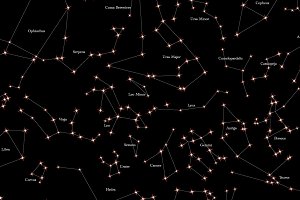
42.
A group of stars forms a pattern. What is this pattern called?
a)
a solar system
b)
a constellation
c)
a ball of hot gases
d)
a planet
43.
Compared to Earth, does Saturn take a longer or shorter amount of time to orbit the sun?
a)
longer
b)
shorter
44.
Why does the sun appear to change throughout the day?
a)
Earth rotates.
b)
The moon blocks the sun.
c)
The Sun gets closer to Earth.
d)
Spaceships move in front of the sun.
45.
What is the big bang theory?
a)
A movie
b)
A planet
c)
A theory of how Jupiter will crash into Saturn
d)
A theory of how the Universe began
46.
What characteristic is Jupiter known for?
a)
Rings of ice and dust
b)
Great Red Spot
c)
Olympus Mons
d)
Fire
47.
What factor determines the color of a star?
a)
Size
b)
Shape
c)
Magnitude
d)
Temperature
49.
Which planet is seventh from the sun?
a)
Saturn
b)
Earth
c)
Venus
d)
Uranus
49.
Which planet is seventh from the sun?
a)
Saturn
b)
Earth
c)
Venus
d)
Uranus
50.

There are _________ planets in our solar system.

a)

6

b)

7

c)

8

d)

9

51.

The ___________ is a region of thousands of small bodies that exists outside the orbit of the planets. Objects in this area consist of "ices" such as ammonia, water, and methane.

a)

dwarf planets

b)

comets

c)

Asteroid belt

d)

Kuiper belt

e)

Oort cloud