wayground logo

Free Printable Worksheets

NEW

Font size

S
M
L
XL
Worksheets

Potts - Cellular Respiration & Photosynthesis Quiz Review

Total questions: 55

Worksheet time: 29mins

Name
Class
Date
1.

True or false: plants can make their own food.

a)

True

b)

False

2.
What is the purpose of cellular respiration?
a)
To turn energy from the sun into glucose
b)
To turn oxygen into glucose
c)
To turn ATP into glucose
d)
To turn glucose into energy in the form of ATP
3.

1. What is chlorophyll and how does it help plants?

a)

A.Chlorophyll is a pigment that absorbs light energy and makes glucose.

b)

B.Chlorophyll is a protein that changes shape in the presence of sunlight.

c)

C.Chlorophyll is a receptor that binds carbon dioxide when energized by light

d)

D.Chlorophyll is an enzyme that catalyzes the production of glucose when exposed to light.

4.

Which type of organism would MOST likely benefit directly from increased levels of CO2?

a)

mushroom

b)

tree

c)

bird

d)

fish

5.

C6H1206 +6O2--> 6H20 + 6CO2 + Energy (ATP)

This equation represents ___________________.

a)

Human Respiration

b)

Cellular Respiration

c)

DNA Replication

d)

Photosynthesis

6.

Which of the following is produced during the process of cellular respiration?

a)

carbon dioxide

b)

sodium chloride

c)

oxygen

d)

sugar

7.

Plants release _________ during photosynthesis when they make sugar.

a)

oxygen

b)

carbon dioxide

8.
What are the products of photosynthesis?
a)
Carbon dioxide and water
b)
Carbon dioxide and oxygen
c)
Glucose and oxygen
d)
Glucose and water
9.
ATP is...
a)
A form of energy the cell can use that is produced by cellular respiration
b)
A kind of sugar produced in photosynthesis
c)
A battery
10.
Which gas is removed from the atmosphere during photosynthesis?
a)
hydrogen
b)
oxygen
c)
nitrogen
d)
carbon dioxide
11.

Plants release _________ during photosynthesis when they make sugar.

a)

oxygen

b)

carbon dioxide

12.
Which of the following best describes photosynthesis?
a)
Photosynthesis converts radiant energy into chemical energy.
b)
Photosynthesis produces carbohydrates.
c)
Plants need sunlight, carbon dioxide, water, nutrients, and chlorophyll to complete photosynthesis.
d)
Plants use chlorophyll, water, and carbon dioxide to make sugar.
13.
Mitochondria are...
a)
The location in cells where photosynthesis happens
b)
Kidney beans
c)
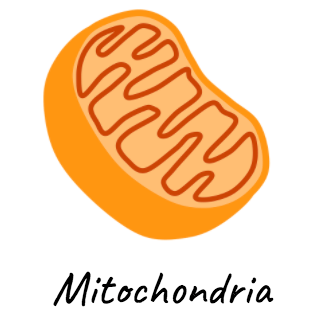
The location in cells where cellular respiration happens
d)
A type of pigment used for cellular respiration
14.
What gas is released by plants during photosynthesis?
a)
sulfur
b)
carbon dioxide
c)
oxygen
d)
hydrogen
15.
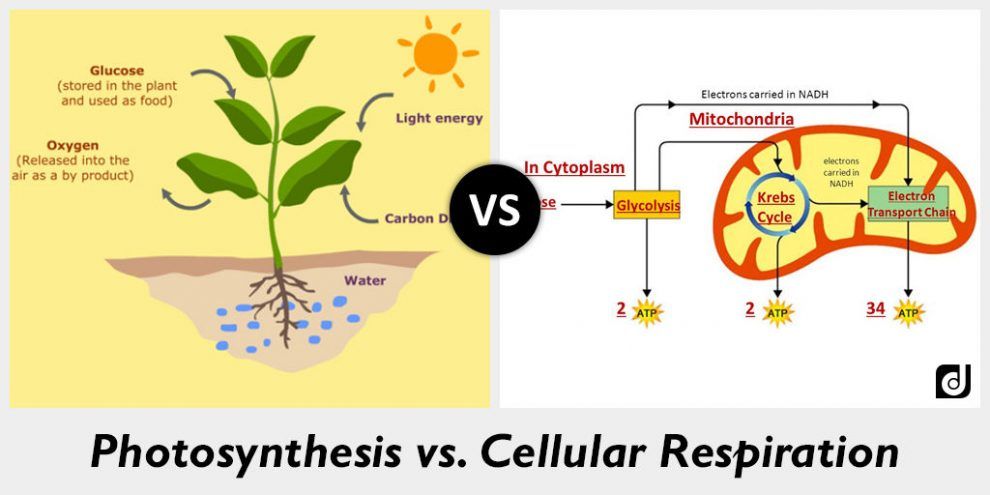
How can photosynthesis be related to cellular respiration?
a)
What's produced by one is needed for the other
b)
They both produce the same products
c)
They both have the same reactants (need the same things)
d)
These 2 processes have nothing in common
16.
What is another name for glucose?
a)
Chlorophyll
b)
Chloroplasts
c)
Stomata
d)
Sugar
17.

Plants use _________ during cellular respiration to make energy out of sugar.

a)

oxygen

b)

carbon dioxide

18.

True or false: animals can make their own food.

a)

True

b)

False

19.
Why do plants go through photosynthesis?
a)
To make food for us
b)
To make food for themselves
c)
They're bored and have nothing else to do
20.
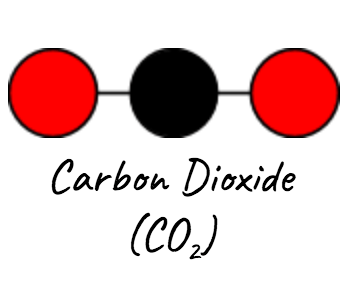
Carbon dioxide is...
a)
A product of photosynthesis and cellular respiration
b)
A reactant of photosynthesis and cellular respiration
c)
A product of photosynthesis and a reactant of cellular respiration
d)
A reactant of photosynthesis and a product of cellular respiration
21.
The main source of energy for all life comes from ____.
a)
the Earth
b)
the moon
c)
the sun
d)
the food we eat/make
22.
Where does a plant absorb the water that it uses during photosynthesis?
a)
Leaves
b)
Stem
c)
Roots
d)
Petals
23.

What does the following equation represent?


Sunlight +6H20 + 6CO2--> C6H1206 +6O2

a)

Cellular respiration

b)

Human respiration

c)

Photosynthesis

d)

Solar energy

24.
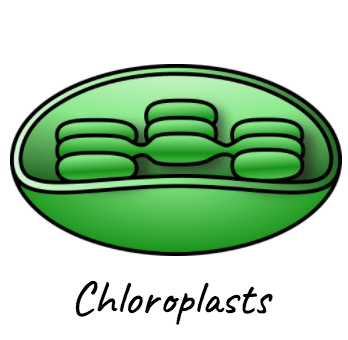
Chloroplasts are...
a)
A type of pigment used for photosynthesis
b)
The location inside a plant cell where photosynthesis happens
c)
The location where cellular respiration happens
d)
Green beans
25.

The products of cellular respiration are:

a)

Carbon Dioxide, Energy (ATP) and Water

b)

Oxygen and Glucose

c)

Water and Glucose

d)

Oxygen and Water

26.

Why do plants make sugar?

a)

Because the sugar molecule stores energy for later use

b)

Because it tastes good

c)

Plants do not make sugar

27.
Where does carbon dioxide enter plants?
a)
The leaves
b)
Stem
c)
Roots
28.

The reactants in photosynthesis are ____________

a)

Sunlight, Water, and Carbon Dioxide

b)

Glucose and Water

c)

Carbon Dioxide and Water

d)

Oxygen and Glucose

29.

The gas given off by plants is ________________.

a)

carbon dioxide

b)

ATP

c)

oxygen

d)

vaporized water

30.

Which of the following statements is true

a)

The products of photosynthesis are the reactants of cellular respiration.

b)

The products of photosynthesis are not necessary for respiration to occur.

c)

The reactants of photosynthesis are also the reactants of cellular respiration.

d)

The products of photosynthesis are also the products of cellular respiration.
31.
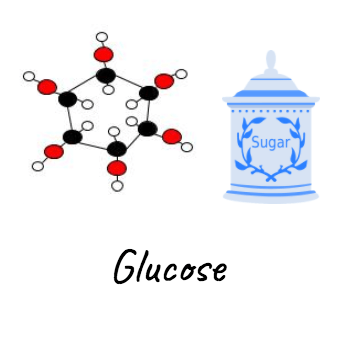
Glucose is...
a)
A product of photosynthesis and cellular respiration
b)
A reactant of photosynthesis and cellular respiration
c)
A product of photosynthesis and a reactant of cellular respiration
d)
A reactant of photosynthesis and a product of cellular respiration
32.

Which of the following is the correct equation for PHOTOSYNTHESIS?

a)

CO2 + light + H2O --> O2 + Sugar

b)

CO2 + sugar + H2O --> O2 + light

c)

O2 + light + H2O --> CO2 + Sugar

d)

CO2 + O2 + H2O --> Light+ Sugar

33.

How do plants and animals help each other?

a)

Plants produce oxygen for animals and animals produce carbon dioxide for plants

b)

Plants produce carbon dioxide for animals and animals produce oxygen for plants

c)

Plants and animals do not help each other
34.
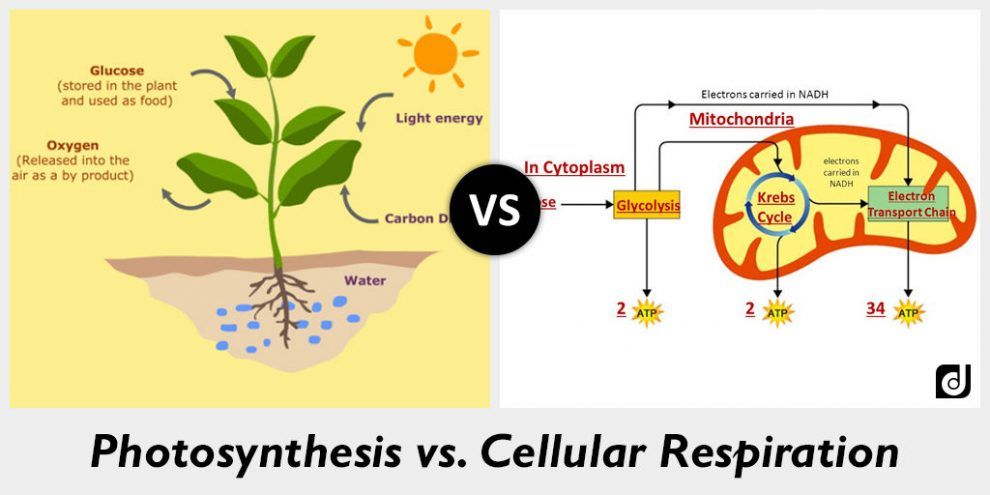
What is the purpose of photosynthesis?
a)
To use glucose to produce energy in the form of ATP
b)
To use energy from sunlight to produce glucose
c)
To use oxygen to produce glucose
d)
To produce energy for all cells in an animal's body
35.

Why do plants and animals need oxygen?

a)

They need oxygen for cellular respiration to create energy

b)

Plants and animals do not need oxygen for anything

c)

Only plants need oxygen for cellular respiration to create energy

d)

Only animals need oxygen for cellular respiration to create energy

36.

What is cellular respiration?

a)

The process where plants and animals break down food for energy

b)

The process where only animals break down food for energy

c)

The process where only plants break down food for energy

d)

The process where plants create food using sunlight

37.

What is needed for plants and animals to do cellular respiration?

a)

Oxygen and sugar

b)

Sugar and water

c)

Carbon dioxide and sugar

d)

carbon dioxide and oxygen

38.
Oxygen is...
a)
A product of photosynthesis and cellular respiration
b)
A reactant of photosynthesis and cellular respiration
c)
A product of photosynthesis and a reactant of cellular respiration
d)
A reactant of photosynthesis and a product of cellular respiration
39.

Why does this equation follow the Law of Conservation of Mass (why is it balanced?)

a)

There are the same number of atoms per element on each side

b)

There are different numbers of molecules on each side

c)

There are unequal numbers of atoms per element on each side

d)

This equation does not follow the Law of Conservation of Mass (it is not balanced)

40.

6. Which of the following represents the process of photosynthesis?

a)

C6H12O6+6O2→6CO2+6H2O

b)

6CO2+6H2O→C6H12O6+6O2

c)

2H2O→2H2+O2

d)

2H2+O2→2H2O

41.
Plants can...
a)
Only use photosynthesis
b)
Only use cellular respiration
c)
Use photosynthesis and cellular respiration
42.

Which of the following BEST describes the flow of energy in a cabbage plant?

a)

Chemical energy is absorbed by mitochondria, stored in sugars, and released in chloroplasts.

b)

Chemical energy is absorbed by chloroplasts, stored in sugars, and released in mitochondria.

c)

Solar energy is absorbed by chloroplasts, converted and stored in sugars, and released in mitochondria.

d)

Solar energy is absorbed by mitochondria, converted and stored in sugars, and released in chloroplasts.

43.

People take in and release gases from the air when they breathe. Which exhaled gas is a waste product of respiration?

a)

helium

b)

oxygen

c)

carbon dioxide

d)

hydrogen

44.
Water is...
a)
A product of photosynthesis and cellular respiration
b)
A reactant of photosynthesis and cellular respiration
c)
A product of photosynthesis and a reactant of cellular respiration
d)
A reactant of photosynthesis and a product of cellular respiration
45.
Reactants are...
a)
Substances present at the beginning of a chemical reaction
b)
substances present at the end of a chemical reaction
46.
In anaerobic respiration...
a)
oxygen is not used.
b)
oxygen is used. 
47.
Products are...
a)
Substances present at the beginning of a chemical reaction
b)
substances present at the end of a chemical reaction
48.
Which organisms do photosynthesis? 
a)
animals 
b)
plants 
49.
Organisms that make energy from the sun are called..
a)
hetertrophs 
b)
autotrophs 
c)
carbohydrates 
d)
consumer 
50.
Process that converts light energy to chemical energy...
a)
photosynthesis 
b)
heterotroph
c)
autotroph
d)
hypothesis 
51.
The overall goal of cellular respiration is to make:
a)
Glucose
b)
ATP
c)
Oxygen
d)
Water
52.
Organisms that obtain energy from other organisms..
a)
autotroph
b)
ATP
c)
photosynthesis
d)
heterotroph
53.

Energy is required for which of the following cellular functions?

a)

metabolism

b)

movement

c)

growth

d)

all of these require energy

54.
In aerobic respiration.... 
a)
oxygen is not used. 
b)
oxygen is used. 
55.
Where does aerobic respiration take place?
a)
Cytoplasm
b)
Mitochondria
c)
Stroma
d)
Thylakoid