
 Worksheets
Joints and ROM Review
Total questions: 20
Worksheet time: 11mins

If a patient arrives and they are complaining about pain when they move their neck side to side, which type of joint would be affected?
Hinge
Ball and Socket
ROM
Pivot

Which of the following are examples of synovial joints? (more than one answer)
Plane (Gliding)
Condyloid
Fibrous
Cartilagenous
Saddle

ROM stands for:
(a)

The picture demonstrates which type of movement?
Hip Adduction
Hip Abduction
Hip Flexion
Hip Extension

The ballerina who is on pointe (on her tip toes) is showing an example of (Choose the BEST answer regarding her feet):
Dorsiflexion
Plantar flexion
Supination
Pronation

This type of joint allows for flexion and extention. However, movement is limited in one direction. You would find this type of joint at the elbow.
Pivot
Saddle
Hinge
Condyloid
What are the consequences of poor ROM? (more than one answer)
Limited flexibility
Extended or extra movement
Increase of injury during physical activity
Improved flexibility
Hard time moving around

Which of the following movements INCREASES the angle between two or more bones AND straightens the joint?
Extension
Flexion
Adduction
Abduction

Which of the following best describes the movement of the hands (palms DOWN)?
Supination
Pronation
Rotation
Circumduction

Which movement is illustrated here?
Rotation
Extension
Circumduction
Adduction

This karate kick is an example of:
Adduction
Abduction
Flexion
Plantar Flexion

Which type of joint allows Simone Biles to execute the most perfect splits?
Pivot
Plane (Gliding)
Ball and socket
Fibrous

Which type of joint is found in the carpals and tarsals and has a "back and forth" movement?
Saddle
Pivot
Hinge
Gliding/Plane

Which movement is shown here (feet/ankles)?
Plantar Flexion
Dorsiflexion
Rotation
Supination

We find this joint at C1/C2, or atlas/axis.
The picture may be helpful...
Ball and socket
Condyloid
Pivot
Hinge

Which types of synovial joints would be involved in shoulder abduction? (possibly more than one answer?)
Pivot
Hinge
Cartilagenous
Ball and socket

Which of the following joints allows you to do rotation, flexion, extension, adduction, AND abduction?
Pivot
Ball and socket
Hinge
Condyloid

The joint at the thumb is an example of a:
Saddle joint
Condyloid joint
Plane or gliding joint
Pivot joint
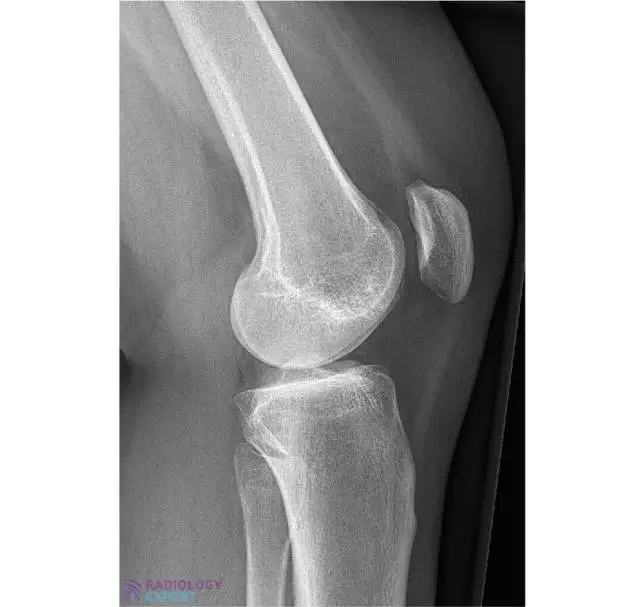
Name two regions where this hinge joint is located:
Patellar
Popliteal
Femoral
Tarsal
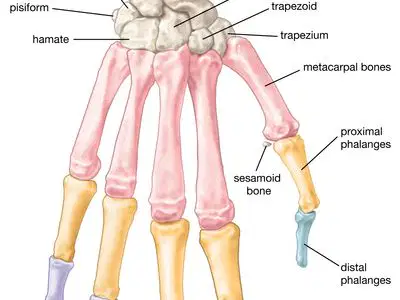
This joint is found where your metacarpals and phalanges meet:
Saddle
Plane/gliding
Hinge
Condyloid

