wayground logo

Free Printable Worksheets

NEW

Font size

S
M
L
XL
Worksheets

Respiratory & Circulatory Systems + Experimental Design

Total questions: 80

Worksheet time: 1hrs 14mins
Name
Class
Date
1.

What is the main function of the respiratory system?

a)

to provide oxygen and remove carbon dioxide from the body

b)

o break down food and absorb nutrients

c)

to remove oxygen from the body and deliver carbon dioxide
2.

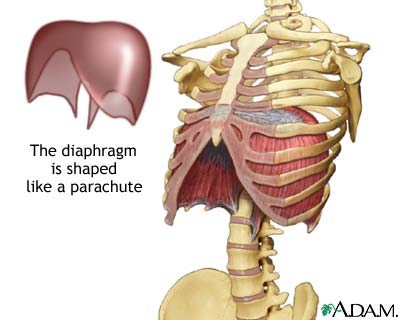
What is function of the dome-shaped diaphragm muscle?

a)

This is where gas exchange happens.

b)

Air passes through the diaphragm on the way to the lungs.

c)

It attaches to the lungs and contracts and relaxes to help in breathing.
3.
When you breathe, your lungs take in ___ and remove ___. 
a)
air/oxygen
b)
oxygen/carbon dioxide 
c)
carbon dioxide/waste 
d)
waste/air 
4.
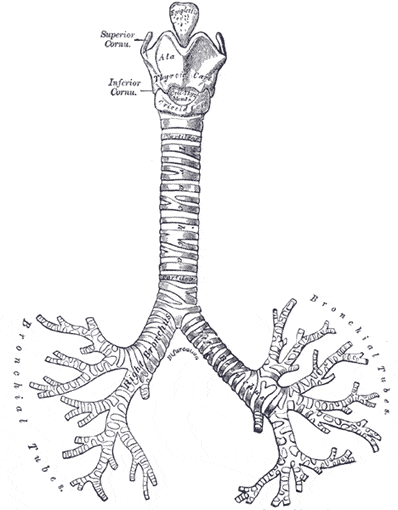
What is the function of the bronchi?
a)
Transport air from nose to lungs
b)
Transport air from trachea to lungs
c)
Transport air from lungs to alveoli
d)
Transport air from alveoli to blood
5.

These are the two two main branches from the trachea (one to each lung)

a)

bronchi

b)

alveoli

c)

capillaries

d)

bronchioles

6.
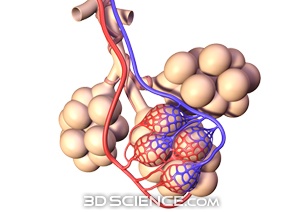
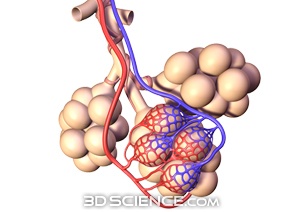
The air sacs that are covered with capillaries where gas exchange takes place
a)
bronchi
b)
lungs
c)
oxygen
d)
alveoli
7.
Within the lungs, the exchange of oxygen and carbon dioxide occurs between the ___ and the capillaries. 
a)
trachea 
b)
bronchi 
c)
alveoli
d)
diaphragm
8.

Flap of tissue that covers the opening to the windpipe during swallowing

a)

Pharynx

b)

Trachea

c)

Epiglottis

9.

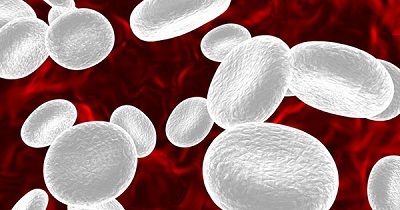
What type of cells carry oxygen in the blood?

a)

red blood cells

b)

white blood cells

10.

The circulatory system works with the ___________ system to provide our body with oxygen and get rid of CO2 (carbon dioxide).

a)

respiratory

b)

digestive

c)

muscular

d)

skeletal

11.
Which 2 substances are exchanged in the Respiratory System?
a)
oxygen and nitrogen
b)
carbon dioxide and oxygen
c)
oxygen and glucose
d)
glucose and carbon dioxide
12.
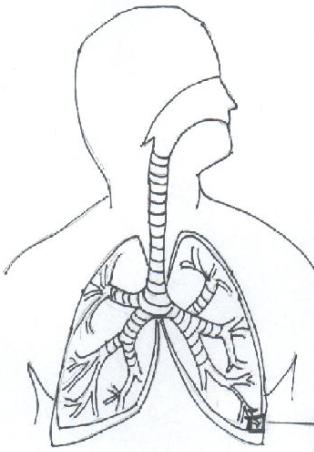
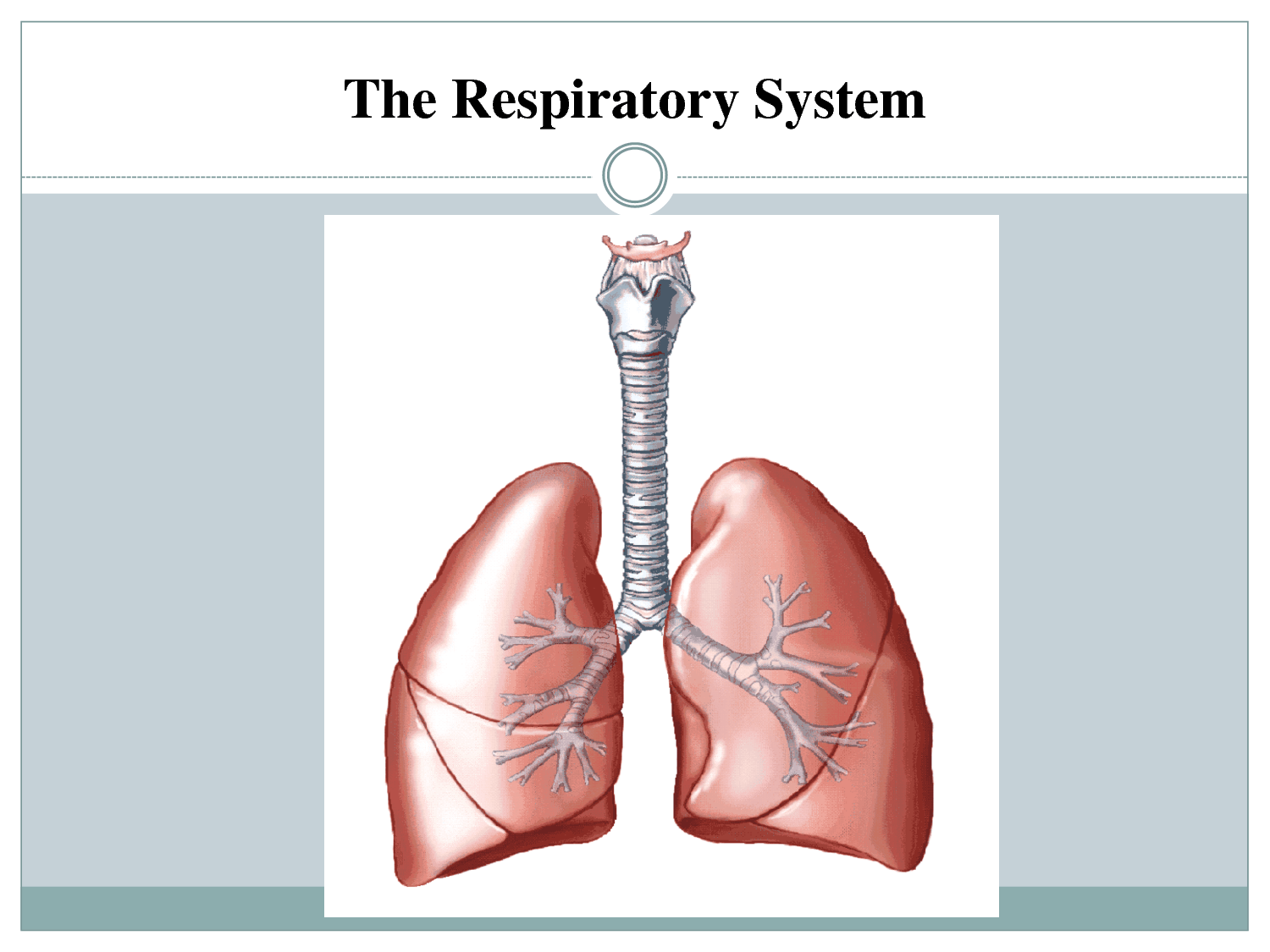
Letter D is pointing to which Respiratory organ?
a)
Alveoli
b)
Diaphragm
c)
Lung
d)
Bronchi
13.
Which part of the Respiratory System collects air from the environment & heats/moistens the air before entering the body?
a)
lungs
b)
nose
c)
heart
d)
brain
14.
Letter B is pointing to which organ of the Respiratory System?
a)
Nose
b)
Trachea
c)
Lungs
d)
Diaphragm
15.
Number 7 is pointing to which organ of the Respiratory System?
a)
Lung
b)
Bronchi Tube
c)
Trachea
d)
Nose
16.
When the diaphragm contracts and moves down, the lungs are...
a)
expanding with air
b)
shrinking - pushing air out
17.
When the diapragm relaxes and moves back up, the lungs are...
a)
expanding with air
b)
shrinking - pushing air out
18.
Inhale!!!!
Your lungs are ___________  air
a)
taking in
b)
letting out
19.
EXHALE!!!
My lungs are __________________ air. 
a)
taking in
b)
letting out
20.
Organs of the respiratory system that bring oxygen-rich air into​ ​the body and send oxygen-poor air out of the body.
a)
heart
b)
muscles
c)
lungs
d)
bones
21.
The process of taking in oxygen and releasing carbon dioxide from the body.
a)
transpiration 
b)
respiration 
c)
digestion
d)
relaxation
22.
Tiny air sacs in the lungs that are the site of gas exchange between the lungs and blood.
a)
alveoli​
b)
relax
c)
diaphragm​
d)
nose
23.
The beginning point of the respiratory system where air is taken into the body.
a)
lung
b)
diaphragm​
c)
nose​
d)
trachea​
24.
The air sacs that are covered with capillaries where gas exchange takes place
a)
bronchi
b)
lungs
c)
oxygen
d)
alveoli
25.

Given the following structures:

1. larynx

2. nasal cavity

3. bronchi

4. trachea


Which of the following is the correct order that air would flow during inhalation?

a)

1 - 2 - 3 - 4

b)

2 - 1 - 4 - 3

c)

2 - 1 - 3 - 4

d)

4 - 2 - 3 - 1

26.

What is the site of gas exchange?

a)

alveoli

b)

nose

c)

lung

d)

bronchi

27.

Which part of the Respiratory System plays a major role in speech?

a)

nose

b)

pharynx

c)

larynx

d)

trachea

28.
The actual gas exchange with the blood occurs in the 
a)
bronchi
b)
bronchioles
c)
alveoli
d)
ventricles
29.
The movement of oxygen from the alveoli to the blood and from the blood to the tissues is due to the process of... 
a)
osmosis
b)
diffusion
c)
cytokinesis
d)
phagocytosis
30.
How is carbon dioxide released from the body? 
a)
When we exhale
b)
When we urinate
c)
When we sweat
d)
When we inhale
31.
During exhalation the diaphragm moves up and the volume of air decreases in the lungs.
a)
True
b)
False
32.
Tiny tubes that branch off of bronchi
a)
capillaries
b)
alveoli
c)
bronchioles
d)
pluera
33.
Which is NOT a function of the Respiratory System?
a)
it warms the air
b)
it exchanges O2 and CO2
c)
It pumps blood to the organs
d)
it creates sound through the larynx
34.
The diaphragm is found:
a)
At the back of the throat.
b)
Below the larynx.
c)
Under the epiglottis.
d)
Under the rib cage.
35.
Which is responsible for providing oxygen to cells?
a)
respiratory system
b)
circulatory system
c)
muscular system
d)
nervous system
36.

Which is a function of the circulatory system?

a)

to move water throughout the body

b)

to transport gases and nutrients throughout the body

c)

to eliminate waste from the body

d)

to provide structural support for the body

37.

In which system of the human body does the heart belong?

a)

Nervous

b)

Skeletal

c)

Circulatory

d)

Digestive

38.
Which system permits blood to circulate and transports nutrients around the body?
a)
Nervous
b)
Respiratory
c)
Circulatory
d)
Digestive
39.
Where in your body can you find blood vessels?
a)
around the heart
b)
in hands & feet
c)
in your head
d)
virtually everywhere
40.
This type of vessel carries blood TO the heart:
a)
vein
b)
nerve
c)
muscle
d)
artery
41.
When oxygen-rich blood is carried AWAY from the heart, it travels through an...
a)
artery
b)
neuron
c)
vein
d)
straw
42.
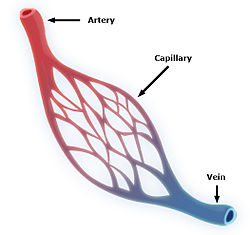
The smallest type of blood vessel is the:
a)
nerve
b)
vein
c)
capillary
d)
artery
43.
Veins have special ________________ to stop blood from flowing backward.
a)
gravity
b)
valves
c)
arteries
d)
ventricles
44.
The cells in the blood that help fight germs and illnesses are the...
a)
red blood cells
b)
platelets
c)
white blood cells
d)
axons
45.
The circulatory system works with the ___________ system to provide our body with oxygen.
a)
respiratory
b)
digestive
c)
muscular
d)
skeletal
46.
The circulatory system works with the __________ system to obtain energy from nutrients that we eat. 
a)
respiratory 
b)
digestive
c)
skeletal
d)
nervous
47.
Which is responsible for providing oxygen to cells?
a)
respiratory system
b)
circulatory system
c)
muscular system
d)
nervous system
48.
Which describes a task performed by the circulatory system?
a)
creating red blood cells
b)
sending messages to the brain
c)
transporting waste materials
d)
producing energy from food
49.
Your blood is made up of which of the following...
a)
plasma, red blood cells, blue blood cells
b)
white and red blood cells
c)
plasma and platelets
d)
plasma, red blood cells, white blood cells, and platelets
50.

_____________ is a deposit of fatty or fibrous material in a blood vessel wall.

a)

COPD

b)

Platelets

c)

Plaque

d)

Arterioles

51.

A tiny, narrow blood vessel that allows wastes, oxygen, and nutrients to pass between the blood and cells is:

a)

An artery

b)

A capillary

c)

A vein

d)

A venule

52.

Where are red blood cells produced?

a)

Heart

b)

Lungs

c)

Brain

d)

Bone Marrow

53.

Where are white blood cells produced?

a)

Heart

b)

Lungs

c)

Brain

d)

Bone Marrow

54.

The name given to the heart, blood vessels, and blood which transport oxygen and nutrients to all parts of the body, as well as carries away waste products.

a)

Muscular System

b)

Digestive System

c)

Respiratory System

d)

Circulatory System

55.

Which blood cells make up one part of the body’s defense system?

a)

White Blood Cells

b)

Red Blood Cells

c)

Platelets

d)

Plasma

56.

What are the main components of the circulatory system?

a)

Blood, Heart, Lungs

b)

Blood Vessels, Heart, Lungs

c)

Blood, Heart, Blood Vessels

d)

Heart, Brain, Lungs

57.

What are the four components of blood?

a)

Plasma, red blood cells, platelets, white blood cells

b)

Plasma, red blood cells, white blood cells, antibodies

c)

Red blood cells, white blood cells, plasma, bone marrow

d)

Plasma, red blood cells, water, platelets

58.

The liquid portion of the blood is called______________

a)

Hemoglobin

b)

Serum

c)

Plasma

d)

Mucus

59.

Gas exchange occurs between the thin walls of the _____________ and _________________.

a)

Tissue; Alveoli

b)

Bronchi; Capillaries

c)

Bronchi; Bronchioles

d)

Alveoli; Capillaries

60.
The variable the is changed on purpose is..
a)
Constant
b)
Control
c)
Independent Variable
d)
Dependent Variable
61.

What is the DEPENDENT variable (effect) in this experiment?

"Does eating breakfast improve test score?"

a)

eating breakfast or not

b)

the grade you got on the test

c)

what time you get up in the morning

d)

what you eat for breakfast

62.
What is the INDEPENDENT variable (cause)in this experiment?
"Which type of metal, copper or aluminum, conducts heat faster?" 
a)
size of metal
b)
types of metal
c)
time it takes to heat up
d)
shape of the metal
63.
What is the DEPENDENT variable (effect) in this experiment?
"Do tall people jump further than short people?"
a)
height of the person
b)
weight of the person
c)
how fast the person runs
d)
how far the person jumps
64.
What is the INDEPENDENT variable (cause) in this experiment?
"Will fish school more if a predator is present?" 
a)
whether there is a predator or not
b)
number of fish school together
c)
type of predator
d)
type of fish
65.

Diego wants to know how drinking milk affects how tall Dora grows. Which is the independent variable?

a)

Drinking milk.

b)

Diego's growth.

c)

Dora's growth.

d)

Chocolate or plain milk.

66.

A study was done to determine to figure out if HOW LONG YOU SLEEP affects your TEST SCORE. The INDEPENDENT variable is...

a)

test scores

b)

place you sleep

c)

hours of sleep

67.

A factor in an experiment that stays the same.

a)

fair test

b)

controlled variable

c)

dependent variable

d)

independent variable

68.
This variable in an experiment is the one being changed by the scientist. 
a)
dependent variable
b)
independent variable
c)
control variable
d)
control group
69.
Should experiments be repeated over and over to see if the results are the same each time?
a)
yes
b)
no
70.
Which variable depends on what is done at the beginning of an experiment?
a)
Dependent
b)
Independent
c)
Control
d)
Following
71.
A student is planning an experiment to find out how the height from which he drops a ball affects how high the ball bounces. The dependent variable is the _____.
a)
Diameter of the ball
b)
Force acting on the ball
c)
Height that the ball bounces
d)
Height from which the ball is dropped
72.
What is a factor that is measured for change in an experiment?
a)
control
b)
constant
c)
independent variable
d)
dependent variable
73.
The part of the experiment that does not contain the independent variable. Used for comparison.
a)
Control Group
b)
Experimental Group
c)
Results
d)
Data
74.
What are all the things that are kept the same in an experiment?
a)
controls
b)
data
c)
constants
d)
independent variables
75.

What is the affect of salt water on the the height of blades of grass?

What is the independent variable in the above question?

a)

salt water

b)

height

c)

average

d)

affect

76.
What is an if....then statement that predicts the outcome of an experiment or how the Independent variable effects the dependent variable?
a)
Conclusion
b)
Materials
c)
Hypothesis
d)
Problem
77.
Students used various temperatures of water to see which one dissolved candy faster. 
What was the Independent Variable?
a)
Amount of Candy
b)
Amount of Water
c)
Temperature of Water
d)
Time for Candy to Dissolve
78.

Students wanted to see if the type of material affected the temperature after being placed under a heat lamp for 10 minutes.

What is the dependent variable for this investigation?

a)

Type of material (rocks, sand etc)

b)

Temperature after 10 minutes

c)

Time under the lamp

d)

Heat lamp, amount of material

79.

If plants receive more water, then the number of leaves will increase. This is an example of:

a)

Testable Question

b)

Hypothesis

c)

Variables

d)

None of the above

80.
To test the effects of roller coaster height on speed, what factors should you keep constant if my only tool is a stopwatch? 
a)
Number of people on it 
b)
Time of day
c)
Air temperature
d)
Time on the ride