

Wayground logo

Free Printable Worksheets

Font size

S
M
L
XL
Worksheets

Unit 1.2 Review

Total questions: 17

Worksheet time: 15mins

Name
Class
Date
1.

What is the correct chemical formula for water?

a)

H2O

b)

HO2

c)

H2O2

d)

2H1O

2.

Which of the following is an example of COHESION?

a)

water sticking to water

b)

water sticking to glass

c)

oil sticking to plastic

d)

hydrogen sticking to oxygen

3.

Which of the following is the CORRECT list of water's properties?

Read Carefully!

a)

adhesion, cohesion, high specific heat, universal solvent

b)

adhesion, cohesion, low specific heat, universal solvent

c)

adhesion, no cohesion, low specific heat, universal solute

d)

no adhesion, cohesion, high specific heat, universal solute

4.

You body sweats to help prevent you from overheating. How does water regulate temperature?

a)

it lets heat pass through it

b)

it absorbs a lot of heat, then decreases in temperature

c)

it absorbs a lot of heat, but only increases a little in temperature

d)

heat is afraid of water and avoids it

5.

Water is polar. What does that mean?

a)

it is a molecule with opposite charges on opposite ends

b)

it is a molecule with no charge

c)

it is a molecule with identical charges on opposite ends

d)

it is a molecule with too many protons
6.

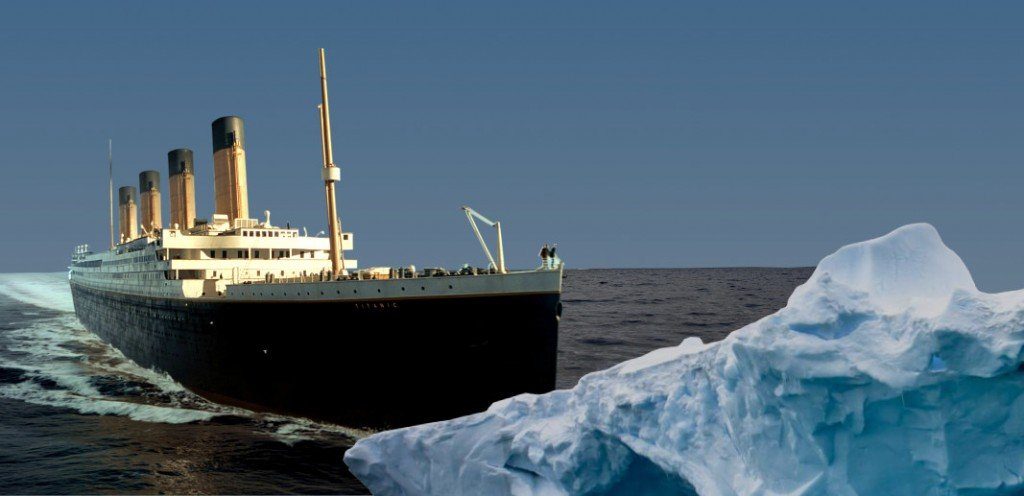
Why does ice float?

a)

water expands when it freezes, making ice less dense than water

b)

water compacts when it freezes, making ice more dense than water

c)

hydrogen bonds in water push the ice to the surface

d)

ice is afraid of water, and avoids it

7.

At what temperature does water Freeze?

a)

0o C

b)

100o C

c)

32o C

d)

-273o C

8.

At what temperature does water Boil?

a)

0o C

b)

100o C

c)

32o C

d)

212o C

9.

Which of the following can water NOT dissolve?

a)

Salt

b)

Sugar

c)

Oil

d)

Baking Soda

10.

Water sticks well to many materials. What term relates to this property of water?

a)

cohesion

b)

adhesion

c)

density

d)

surface tension

11.
What two elements make up water?
a)
Helium and oxygen
b)
Hydrogen and oxygen
c)
helium and carbon
d)
oxygen and carbon
12.
Which characteristic of water will allow a paperclip to remain floating on water when the paperclip is gently placed on top of the water?
a)
adhesion
b)
surface tension
c)
solvent properties
d)
nonpolar
13.
Large bodies of water do not quickly fluctuate in temperature. Why?
a)
Water is a solvent.
b)
Water has a high heat capacity.
c)
Water acts as a buffer.
d)
Water is non-polar.
14.
Why does ice float?
a)
As water freezes, it expands and its density decreases.
b)
As water freezes, it takes up more hydrogen from the atmosphere, causing it to have a greater buoyancy.
c)
As water freezes, air becomes trapped between the hydrogen bonds of water molecules.
d)
As water freezes, it takes up more oxygen from the atmosphere, causing it to have a greater buoyancy.
15.
Which of the following is LEAST likely to dissolve in water?
a)
nonpolar fats and oils
b)
polar sugar molecules
c)
salt made of a positive sodium ion and a negative chloride ion
d)
all of the substances will dissolve easily in water
16.
A solvent is...
a)
a substance into which the solute dissolves
b)
a compound being dissolved
c)
a substance that does not dissolve
d)
None of the above
17.
Is the density of water ice lower, higher, or the same as liquid water?
a)
Lower
b)
Higher
c)
The same
d)
Um... what is density again
