
 Worksheets
Heat
Total questions: 20
Worksheet time: 11mins
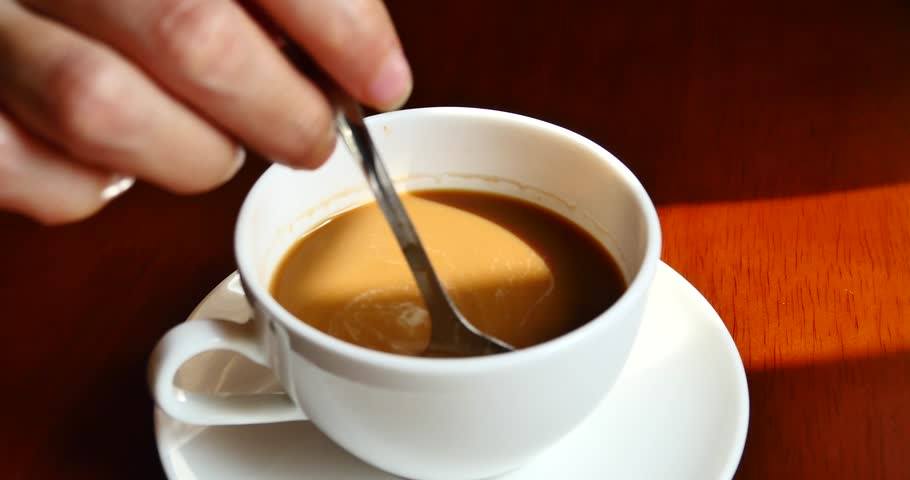
Hot coffee is stirred with a spoon, the spoon gets hot due to
Convection
Conduction
Radiation
If the area through which heat is transferred is increased by a factor of 2, then the rate of heat transfer is increased by .................
a factor of 4
a factor of 1/2
a factor of 2
a factor of 1
Units for thermal conductivity is .....
J kg-1 K-1
J mol-1 K-1
W mol-1 K-1
W m-1 K-1
Coefficient of linear expansion, Coefficient of area expansion and Coefficient of volume expansion have the unit of....
oC-1
oC
W m-1 oC-1
J m-1 oC-1
Thermal expansion of liquid depends on the expansion of the container that it fills. However, why does liquid overflow after heating?
because container does not expand
because coefficient of volume expansion for liquid is bigger than the container
because liquid and container expand at the same amount
because particles in solid container is more closely packed together than liquid
Heat transfers in three ways:
radiant, light, energy
conduction, radiation, convection
elastic, kinetic, potential
conduction, oven, microwave
Heat, like work, is an energy transfer measured in
watts
degrees
joules
kelvins
The transfer of energy by electromagnetic waves is called
conduction
convection
radiation
insulation
Which of the following is the INCORRECT about thermal conduction in an insulator rod?
heat cause molecule to vibrate faster. This also cause collision of hot molecules to colder molecule
free electron gain energy and move faster. It then collide with colder molecules
transferring thermal energy by free electron is faster compared to vibrating molecules in lattice
transferring thermal energy by free electron is slower compared to vibrating molecules in lattice because they are far apart
Which below is the correct relationship of the rate of heat flow?
dtdQ=kAxdT
dtdQ=−kAxdT
dxdQ=−kAtdT
dtdQ=kAxT2−T1
Which below are NOT the thermal expansion for liquid and gas?
linear expansion
volume expansion
area expansion
Below is correct relationship of coefficient in thermal expansion EXCEPT
β=2α
γ=4α
γ=3α
A hollow aluminium cylinder has an internal capacity 2L at room temperature. it is then filled with an unknown liquid and warmed to 80 Celsius. in order to find the overflow of the unknown liquid, what is the most suitable formula to solve this problem?
ΔL=αLoΔT
ΔA=βAoΔT
ΔV=γVoΔT
Thermal conductivity depends on
the shape of the material
type of material
boiling points
insulated or not insulated material

