
 Worksheets
Chapter 3 - Energy
Total questions: 70
Worksheet time: 1hrs 10mins
Energy is ...
a change from one thing to another
the ability to make a change
Energy that moves objects
mechanical energy
thermal energy
sound energy
The total amount of energy from the movement of particles in matter.
mechanical energy
thermal energy
electromagnetic energy


Increasing an object's mass will increase its kinetic energy.
true
false
Increasing an object's speed will increase its kinetic energy.
false
true
What is potential energy?
The energy an object has due to its atomic structure.
The energy an object has due to its wasted energy.
The energy an object has due to its motion.
The energy an object has due to its position or chemical composition.
What is kinetic energy?
The energy an object has due to its position or condition
The energy an object has due to its motion
The energy an object has due to its chemical composition
The energy an object has due to its atomic structure
When does an object have no kinetic energy?
When it's at rest.
When it's moving very slowly.
When the only force that's acting on it is gravity.
When it has no electrical charge.
Which object has the most potential energy?
A ball resting on the ground.
A ball being thrown at 100 miles per hour.
A ball on top of a refrigerator.
A ball resting on the edge of a cliff.
When does a yo-yo have the most potential energy?
When it's at its highest point.
When it's close to its lowest point.
When it's moving between its highest and lowest points.
When it's moving at its top speed.
When is potential energy transformed into kinetic energy?
When an object at rest is lifted to a higher elevation.
When an object at rest remains at rest.
When an object at rest is put into motion.
When an object in motion is stopped and put at rest.

Four cars are positioned at the top of a hill. Which car has the most potential energy?
A
B
C
D
Why do objects at high elevations have more potential energy than objects at low elevations?
Because the thinner air at higher elevations means objects have a greater potential to move very fast
Because objects at high elevations are closer to the sun, which is the source of all energy on earth
Because objects at high elevations tend to move slower than objects at low elevations
Because gravity gives objects at high elevations the potential to fall much further
Which is the best synonym for potential energy?
Stored energy
Energy of motion
Energy due to gravity
Mechanical energy

What kind of energy does an object possess when it's resting on top of the hill?
Potential Energy
Chemical Energy
Kinetic Energy
All of the above

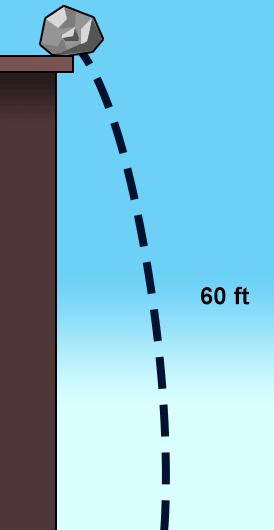
The rock in the picture is pushed over the edge and it begins to fall. Which type of energy conversion is taking place?
mechanical to heat
sound to mechanical
potential to kinetic
kinetic to potential

A ball is projected into the air. Where is potential energy the greatest?


Which point on the roller coaster's path represents the maximum potential energy?


As a roller coaster goes downhill
kinetic energy is converted into potential energy.
potential energy is converted into kinetic energy.
electrical energy is converted into potential energy.
potential energy is converted into electrical energy.
Four balls are thrown at the same velocity, with different masses. Which ball has the most kinetic energy?
The 20g ball
The 50g ball
The 24g ball
The 40g ball
What type of potential energy provides the energy needed to burn wood?
Nuclear
Chemical
Thermal
Elastic


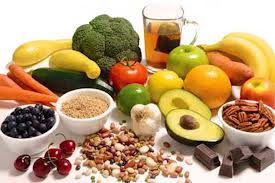
When energy changes from one form to another, we call it a _______________.
transformation
creation
expiration
compilation
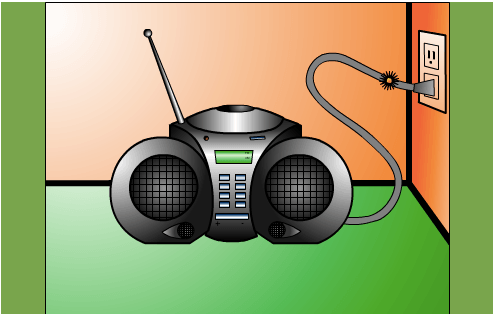
What is the energy conversion when you plug in a stereo and listen to music?
electrical to mechanical
chemical to heat
electrical to sound
potential to sound

What is the energy conversion when you burn wood for a fire?
electrical to thermal
light to kinetic
chemical to thermal
chemical to electrical
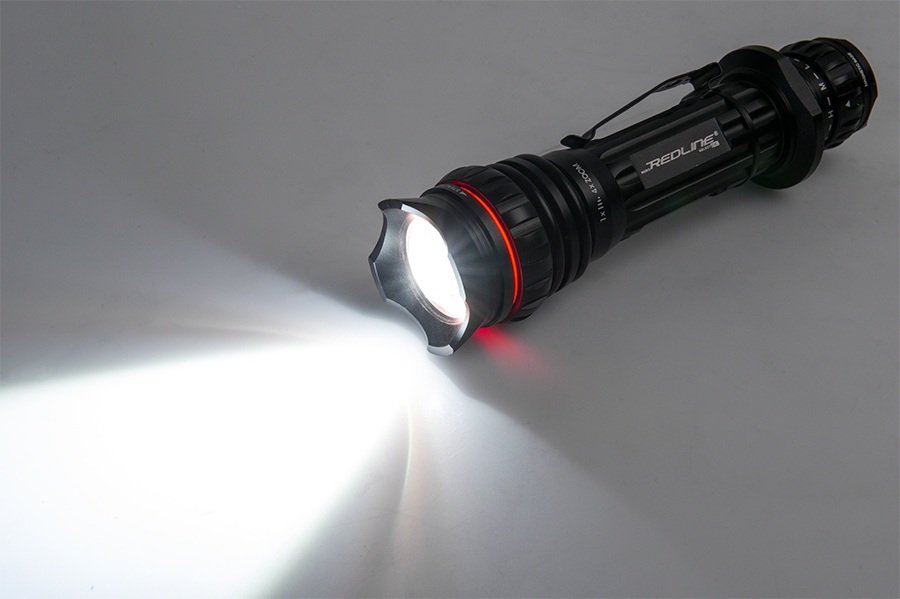
What is the energy conversion when you put batteries in a flashlight to make it turn on?
chemical to light
light to kinetic
chemical to thermal
nuclear to light

What is the energy conversion when photosynthesis takes place as the sun makes a plant grow?
thermal to chemical
potential to nuclear
chemical to potential
light to chemical

What is the energy conversion when you eat food for fuel to go for a run?
chemical to nuclear
kinetic to chemical
chemical to kinetic
potential to chemical
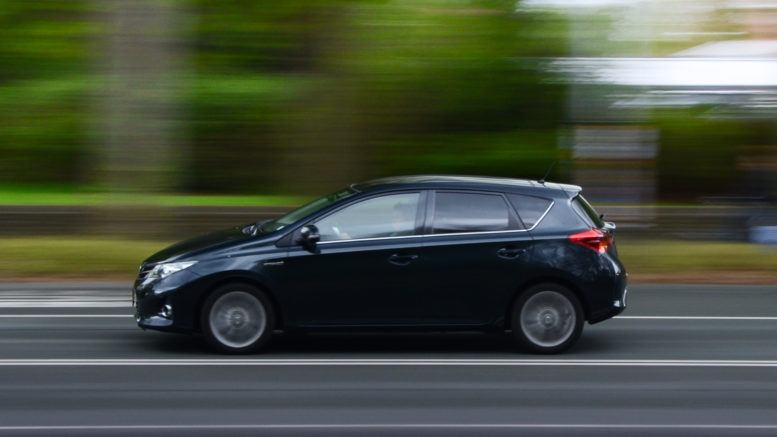
What is the energy conversion when you use gasoline to make a car move?
chemical to kinetic
chemical to potential
potential to light
nuclear to kinetic
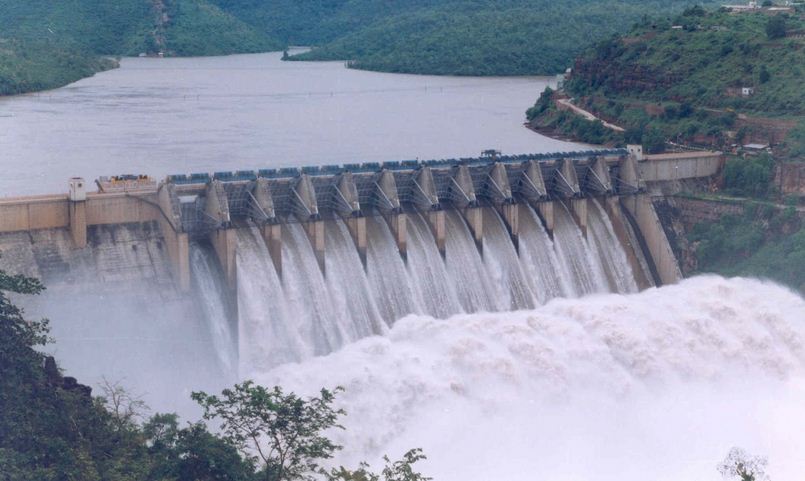
What is the energy conversion when water moves over a dam to power a city's energy grid?
electrical to chemical
kinetic to electrical
nuclear to electrical
kinetic to potential
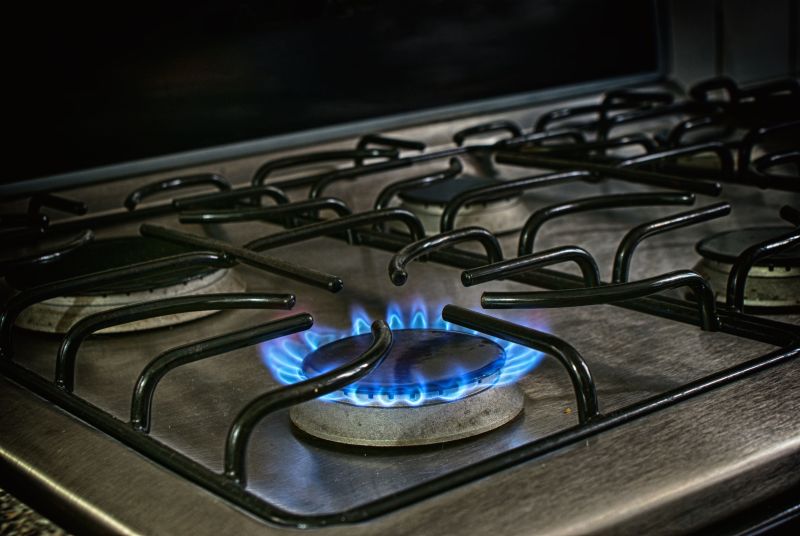
What is the energy conversion when you burn natural gas to light a stove?
chemical to kinetic
electrical to thermal
thermal to potenial
chemical to thermal
Four cars, with the same mass, are racing around a track at different speeds. Which car has the most kinetic energy?
the car traveling at 200 mph
the car traveling at 205 mph
the car traveling at 198 mph
the car traveling at 202 mph

What type of energy does a spinning turbine have?
electrical energy
nuclear energy
thermal energy
mechanical energy
An example of something that stores chemical energy is ____________.
lightening
a microwave
a match
light
Potential energy that depends on height is called _____________.
kinetic energy.
gravitational potential energy.
elastic potential energy.
mechanical energy.
A large truck and a small car are moving at the same speed. The truck has greater kinetic energy because its _______________ is greater.
mass
height
velocity
length
To maintain your body temperature, your body converts chemical energy into ____________________ energy.
potiential
thermal
chemical
mechanical

Which position would represent the most potential energy and the least kinetic energy?
A
B
C
D
Potential energy depends on ____________ & ______________.
mass, speed
mass, position
speed, position
mass, weight

Earth’s nearest star (our Sun) radiates this type of energy.
Solar
Coal
Propane
Oil

Energy efficiency of incandescent lightbulbs is
50%
25%
15%
5%
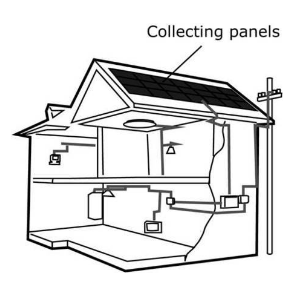
Which alternative energy source does this house use?

