
 Worksheets
Unit 7 and 8 Review
Total questions: 75
Worksheet time: 25mins
The atomic number identifies the number of __________.
electrons
atoms
protons
neutrons
Subatomic particles that have a negative charge
electrons
protons
quarks
neutrons

The number 16 for the atomic element sulfur is the
ionic number
isotope
atomic mass
atomic number

How many protons does sulfur have?
32
16
48
12

How many electrons does sulfur have
16
32
48
12
Subatomic particle that has a positive charge
electron
poitron
neutron
proton
The center of an atom is called the ________________.
electron cloud
nucleus
neutrion
nuetron
In what part of an atom can the protons and neutrons be found?
nucleus
neutrine
electron cloud
proton cloud
Which parts of the atom move around the nucleus?
electrons
protons
electrode particles
neutrons
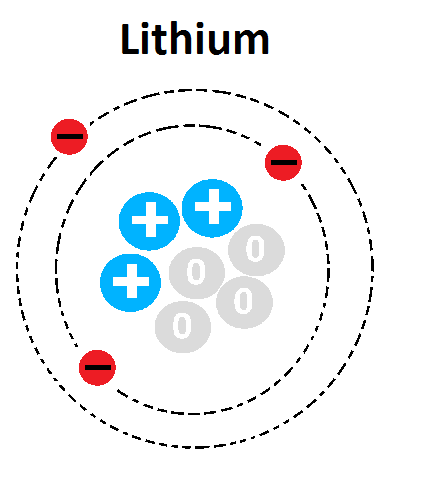
What is the atomic number of this atom?
1
3
4
7
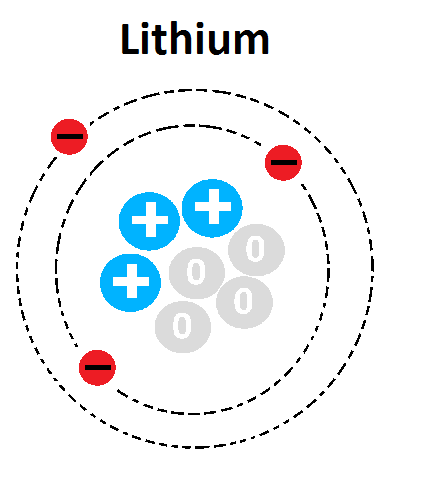
What is the mass number of this atom?
1
3
4
7
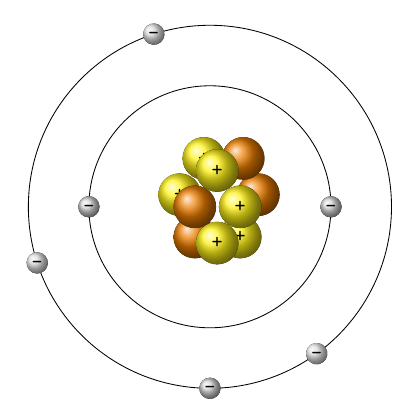
How many electrons does this atom have?
2
4
6
10
An atom has 10 protons, 15 neutrons and 10 electrons what is its mass number.
20
10
35
25

Which of the following determines the identity of an element?
number of protons
atomic mass
number of neutrons
number of shells

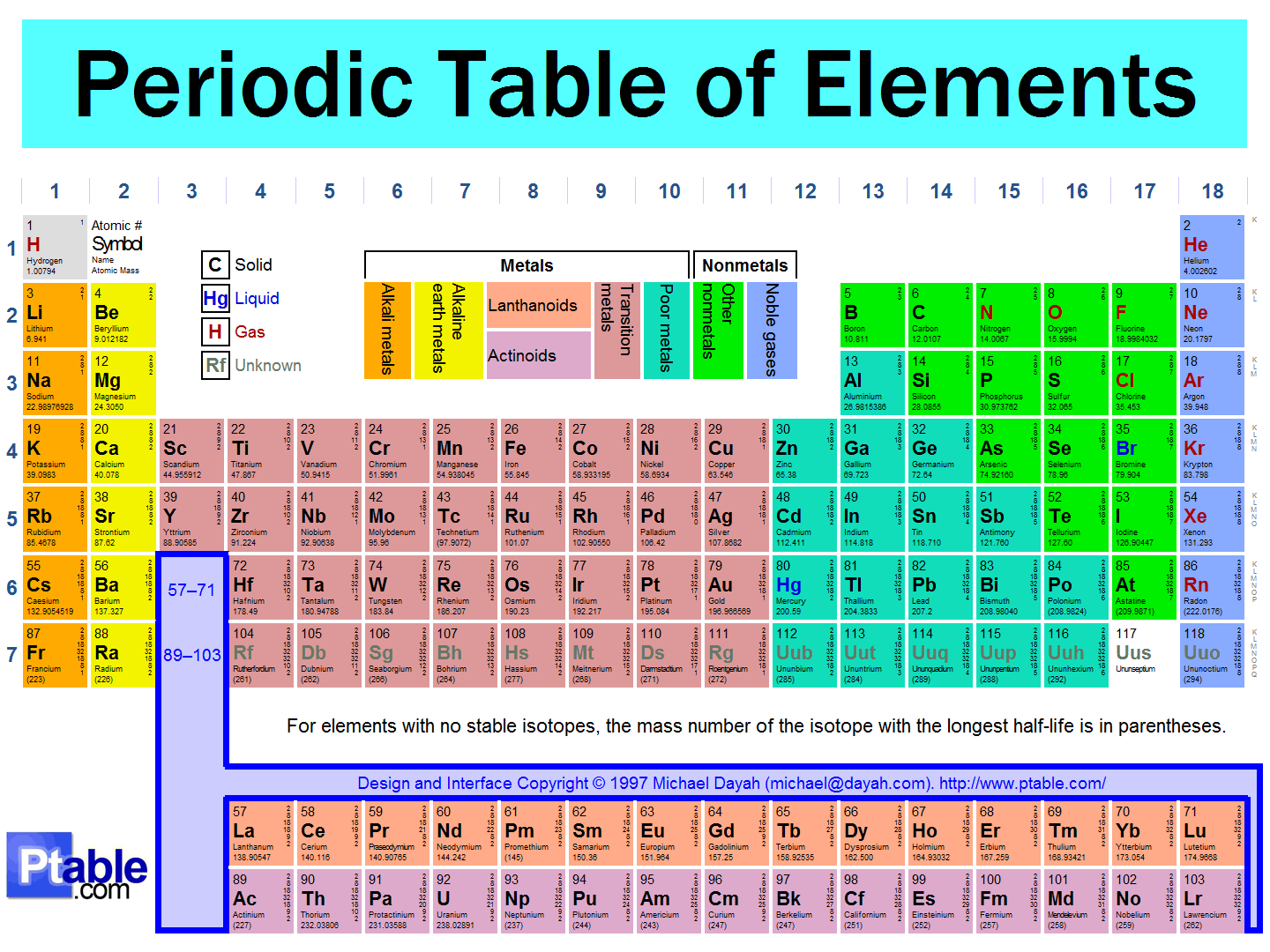
What is the atomic number?
35
18
17
52

How many protons and electrons does this element have?
35
18
17
52

How many neutrons does Chlorine have?
18
17
35
52

How many neutrons does calcium have?
20
40
60
0

What is the atomic mass of Arsenic?
33
107
75



What happens in a chemical change?
The atoms in the reactants rearrange themselves and bond together differently to form one or more new products with different characteristics than the reactants. When a new substance is formed.
When objects or substances undergo a change that does not change into a different substance.
What happens in a physical change?
The atoms in the reactants rearrange themselves and bond together differently to form one or more new products with different characteristics than the reactants. When a new substance is formed.
When objects or substances undergo a change that does not change into a different substance.
Which type of change can be undone?
Chemical
Physical
What happens to the weight of matter when it undergoes chemical changes?
It stays the same
It increases
It decreases
What happens to the weight of matter when it undergoes a physcial change?
It stays the same
It increases
It decreases
If you mix 1 gram of salt with 50 grams of water, how many grams of matter will you have after the salt is completely dissolved?
49 grams
50 grams
51 grams
None of the above
Which are clues that a chemical change has taken place?
Change in temperature
The color changes
The odor or smell changes
Formation of a precipatate
You see bubbles form
What does the number 3 represent in 4NH3?
Subscript
Superscript
Coefficient
What does the number 4 represent in 4NH3?
Subscript
Superscript
Coefficient

How many Nitrogen (N) atoms are in 4NH3?
4
1
3
12

How many Hydrogen (H) atoms are in 4NH3?
4
1
3
12

How many total molecules is 4NH3?
4
1
3
12
How many total atoms make up 4NH3?
4
16
3
12

In the equation shown, what are the reactant(s)?
N2 + H2
NH3
In the equation shown, what are the product(s)?
N2 + H2
NH3

Is this equation balanced?
Yes
No

Is this equation balanced?
Yes
No

Is this equation balanced?
Yes
No

Which reactant is missing from the equation shown?
(What should go in the place of the "X"?)
One hydrogen atom.
Three hydrogen atoms.
Four oxygen atoms.
Which is the Law of Conservation of Matter?
matter cannot be created or destroyed, it only rearranges
matter can be created but it cannot be destroyed, it never rearranges
matter can be destroyed but it cannot be created, it usually just rearranges
matter is an unproven theory created by Hans Geiger

