wayground logo

Free Printable Worksheets

NEW

Font size

S
M
L
XL
Worksheets

Yr 8 Physics - Energy Review

Total questions: 70

Worksheet time: 45mins

Name
Class
Date
1.
This is the energy of moving electrons. 
a)
nuclear 
b)
electricity 
c)
potential 
d)
sound 
2.
This is the energy that can be released by breaking the bonds between compounds. 
a)
electromagnetic
b)
nuclear 
c)
kinetic 
d)
chemical 
3.
The is the energy due to the splitting of atoms. 
a)
nuclear 
b)
chemical 
c)
mechanical 
d)
sound 
4.
This is energy that is stored for later use. 
a)
kinetic energy 
b)
potential energy 
c)
mechanical energy 
d)
electromagnetic energy. 
5.

Energy of motion is which type of energy?

a)

Potential

b)

Kinetic

c)

Sound

d)

Electric

6.

What type of energy is in this picture?

a)

Electric

b)

Elastic

c)

Chemical

d)

Sound

7.
What kind of energy is represented in the picture?
a)
Thermal
b)
Chemical
c)
Sound
d)
Nuclear
8.
The potential energy stored in an atom's nucleus is called  _______ energy.
a)
Nuclear
b)
Mechanical
c)
Electrical
d)
Potential
9.
Energy in the form of waves that move through a medium like air or water
a)
gravitational potential energy
b)
electromagnetic energy
c)
sound energy
d)
elastic potential energy
10.
The ability to do work
a)
energy
b)
kinetic energy
c)
potential energy
d)
mechanical energy
11.
Heat is another name for-
a)
thermal energy
b)
magnetic energy
c)
electrical energy
d)
mechanical energy
12.
The illustration shows a lamp giving off light.
What form of energy does the lamp use to produce light?
a)
thermal
b)
light
c)
electricity
d)
mechanical
13.

What kind of energy is being released?

a)

Thermal

b)

Chemical

c)

Nuclear

d)

Mechanical

14.
What kind of energy?
a)
Thermal
b)
Electrical
c)
Mechanical
d)
Radiant
15.
The toy oven shown uses a lightbulb to bake small cakes. What types of energy does the toy oven use to bake the cakes?
a)
Light and sound
b)
Electrical and thermal
c)
Thermal and mechanical
d)
Mechanical and electrical
16.
Large amounts of energy are released when the nuclei of atoms join together in a process called _____________________
a)
area of motion
b)
mass
c)
nuclear fusion
d)
the environment
17.
Which energy transformation occurs when you light a gas burner?
a)
Radiant to Thermal 
b)
Nuclear to Thermal
c)
Electric to Chemical
d)
Chemical to Thermal
18.

What type of by-products does nuclear energy produce? (a disadvantage)

a)

carbon dioxide

b)

radioactive waste

c)

sulfur dioxide

d)

nitrogen oxide

19.

What type of energy transformation occurs when using an electric pencil sharpener?

a)

electrical to mechanical

b)

sound to electrical

c)

mechanical to electrical

d)

potential to sound

20.

What type of energy transformation happens in hydro-electric power?

a)

kinetic to potential

b)

sound to mechanical

c)

chemical to electrical

d)

mechanical to electrical

21.

What is an advantage of producing electricity through hydropower?

a)

land is flooded when dams are built

b)

Hydropower is a clean, renewable source of energy for human use

c)

building dams destroys animal habitats

d)

building dams for hydropower uses up lots of land space

22.

Which is a disadvantage of solar power?

a)

solar power is unclean

b)

reduces the need for fossil fuels

c)

can only be collected when the sun is shining

d)

in nonrenewable

23.

Energy that transfers heat is?

a)

Thermal energy

b)

Potential energy

c)

Mechanical energy

d)

Kinetic energy

24.
Can energy be created or destroyed?
a)
Yes
b)
No
25.

What energy transformation occurs during photosynthesis?

a)

Chemical --> Radiant

b)

Thermal --> Chemical

c)

Solar --> Chemical

d)

Mechanical --> Thermal

26.
__________ is an energy resource that WILL NOT run out in the next several hundred years.
a)
Renewable Energy Resource
b)
Nonrenewable Energy Resource
27.
Coal is a __________ energy resource.
a)
Renewable
b)
Nonrenewable
28.
Hyrdo Power is a __________ energy resource.
a)
Renewable
b)
Nonrenewable
29.
Solar Power is a __________ energy resource.
a)
Renewable
b)
Nonrenewable
30.
Nuclear Power is a __________ energy resource.
a)
Renewable
b)
Nonrenewable
31.
Natural Gas is a __________ energy resource.
a)
Renewable
b)
Nonrenewable
32.
Oil is a __________ energy resource.
a)
Renewable
b)
Nonrenewable
33.
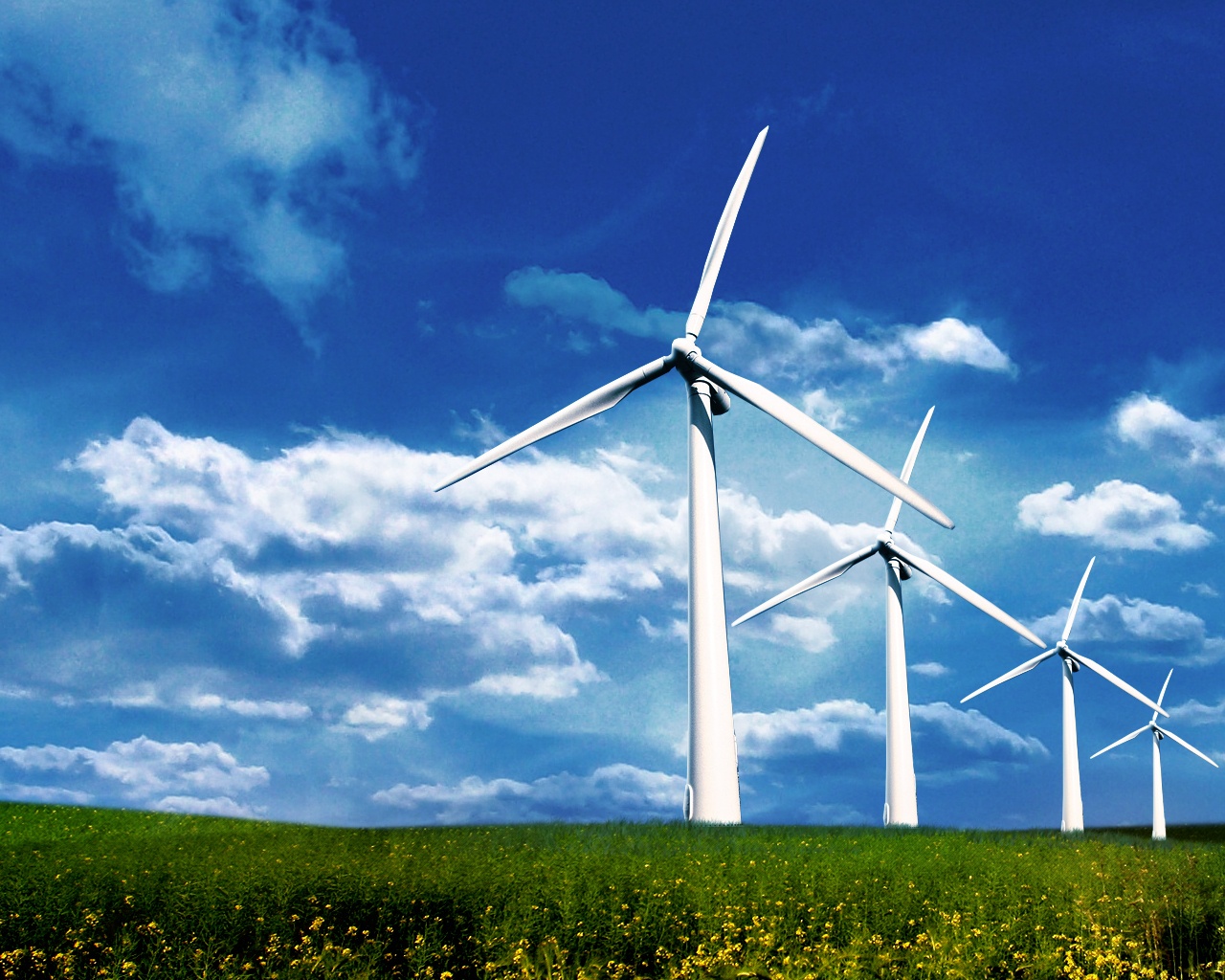
__________is the energy created by wind turning wind turbines.
a)
Geothermal
b)
Hydro
c)
Wind
d)
Nuclear
34.
A disadvantage of solar energy is
a)
that the clouds can block the sunlight
b)
it is not available at night
c)
that the clouds can block the sunlight and it is not available at night
d)
the sun is too hot to be absorbed in solar panels
35.
These are examples of a Fossil fuel - fuels produced by deposits of ancient plants and animals 
a)
wind,solar,geothermal
b)
oil,coal,natural gas
c)
wind,biofuels,geothermal
36.
What type of renewable energy am I? Force of falling water turns giant turbines to create electricity and found inside of dams.
a)
geothermal 
b)
biofuels
c)
hydroelectric
d)
solar
37.
What type of renewable energy am I?  I convert the sun's rays into electricity. 
a)
wind
b)
biofuels
c)
geothermal
d)
solar
38.
What type of renewable resource am I? Waste products like trees, plants, grains, algae, manure, garbage, sewage, and paper can be converted into energy by burning.
a)
Nonrenewable
b)
Geothermal 
c)
Biomass
d)
Solar energy 
39.
What type of renewable energy am I? I turn water into steam which escapes through cracks in the Earth as well as forms geysers and hot springs.
a)
biofuels
b)
hydroelectric
c)
geothermal
d)
wind
40.

What is an advantage of Oil?

a)

Chance of a spill

b)

High amounts of gas released when burned

c)

Nonrenewable

d)

Inexpensive

41.

Created from the mineral uranium, a nonrenewable energy source.

a)

Coal

b)

Nuclear

c)

Oil

d)

Natural Gas

42.

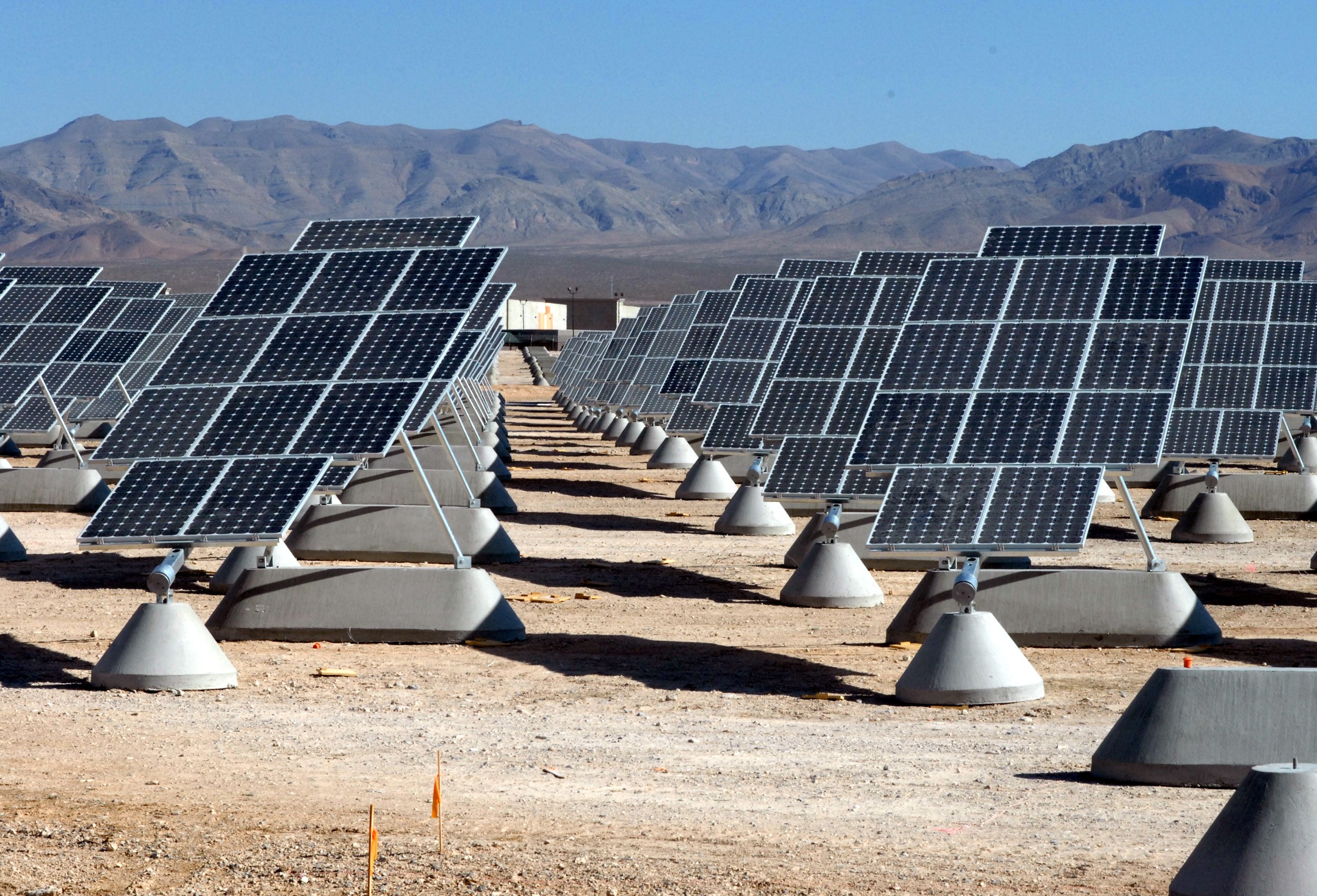
The following picture is an example of what energy source?

a)

biomass

b)

solar

c)

coal

d)

oil

43.

What is an advantage of using hydropower as an energy source?

a)

uses existing bodies of water.

b)

may divert water and alter normal water flow.

c)

might disrupt the movements of animals.

d)

sometimes causes flooding in surrounding areas.

44.
Which of these is NOT a disadvantage of a nuclear power plant?
a)
It's waste can destroy habitats and ecosystems.
b)
It costs a lot of money to build.
c)
It produces radioactive waste.
d)
It produces large amounts of energy.
45.

An advantage of using hydropower is that

a)

it's able to produce a steady flow of energy 24 hours a day

b)

it's very cheap to build a dam

c)

no ecosystems are destroyed by damming up a river

d)

dams cause flooding

46.
Which statement supports the opinion that a dam can harm a river ecosystem?
a)
they provide water for drinking and irrigation
b)
dams on rivers emit less pollution
c)
they can reduce flooding downstream during heavy rains
d)
they change water depth and alter the temperature of a river
47.
Which statement is true about wind power?
a)
it is inexpensive and limitless
b)
It releases greenhouse gases leading to climate change
c)
It is nonrenewable
d)
It is harmful to habitats and ecosystems
48.
Which statement is true about geothermal energy?
a)
It emits CO2 which is harmful to the environment
b)
It is nonrenewable
c)
It is NOT a reliable source of energy 24 hours a day
d)
plants must be built near geysers and hot springs
49.
Which statement is true about coal and natural gas?
a)
Both are renewable resources
b)
Both require wind in order to work
c)
Both lead to greenhouse gases and climate change
d)
Neither one causes global warming
50.

Which statement is true about the advantages and disadvantages of using different types of energy sources?

a)

wind power is an expensive, nonrenewable energy source

b)

solar power is a clean, renewable source of energy, but quite expensive

c)

nuclear power is very cost effective, nonrenewable, and leaves behind no radioactive waste

d)

coal is a safe and effective, renewable energy source

51.

What kind of energy is being used up?

a)

Thermal

b)

Chemical

c)

Nuclear

d)

Mechanical

52.
One way to initiate a fission reaction is to penetrate a large nucleus with a ___.
a)
Neutron
b)
Proton
c)
Electron
d)
critical mass
53.
When one large nucleus is split into two smaller nuclei, the process is nuclear _____.
a)
Fusion
b)
Fission
c)
Tracing
d)
Decay
54.

Nuclear Power Plants have many advantages. One of those advantages is...

a)

nuclear weapons

b)

nuclear waste

c)

reduced CO2 emissions

d)

reactor meltdowns

55.

What fuel source is used in most nuclear reactors?

a)

Nitrogen

b)

Oxygen

c)

Coal

d)

Uranium

56.
Which of the following is the correct order of events in a nuclear power plant?
a)
Uranium reactor, generator, turbine, transformer
b)
Transformer, turbine, generator, uranium reactor
c)
Uranium reactor, turbine, generator, transformer
d)
Turbine, Uranium reactor, Generator, Transformer
57.
What is a beneficial aspect of nuclear fission?
a)
The ability to absorb energy
b)
The ability to release tremendous amounts of energy
c)
The ability to produce more energy than nuclear fusion
d)
There are no beneficial aspects of nuclear fission
58.
Which of these statements correctly describes how the chain reaction occurs in nuclear fission.
a)
Uranium releases electrons to create   electricity
b)
When a nuclear fission reaction occurs, the electrons emitted can strike other nuclei in the sample, and cause them to split
c)
When a nuclear fission reaction occurs, the neutrons emitted can strike other nuclei, and cause them to split
d)
 Protons and neutrons change to electrons because the nuclei are so big
59.
When moving neutrons hit the nuclei of certain other atoms thereby causing them to disintegrate, and this happens repeatedly, it is said to be a _______________________.
a)
nuclear chain reaction
b)
alpha radiation
c)
nuclear half-life
d)
control rod
60.
What product does a nuclear power plant produce for its customers?
a)
electricity
b)
a turbine
c)
hot water
d)
steam
61.
What happens to the nuclei of isotopes during a FUSION reaction
a)
They break down or break a part
b)
They fuse and/or combine together
c)
They add more neutrons to its mass
d)
They collapse into a black hole 
62.
What process does the Sun go through in order to produce limitless energy for billions of years
a)
Fusion
b)
Fission
c)
Alpha, Beta, Gamma
d)
Isotopic implosion 
63.
_____ energy resources are used up faster than they can be produced and the amount of these materials are finite.
a)
renewable
b)
nonrenewable
c)
natural
d)
wind
64.
_____ energy sources replenish themselves or are continuously present as a feature of the solar system. 
a)
renewable
b)
nonrenewable
c)
natural
d)
petroleum
65.
A _____ is a device that permits sustained, controlled nuclear fission chain reaction.
a)
fission plant
b)
nuclear plant
c)
fusion reactor
d)
nuclear reactor
66.
What do  control rods do in a nuclear reactor?
a)
Regulate the rate of reaction  by absorbing and slowing neutrons
b)
Produce electricity
c)
Produce neutrons to increase the rate of reaction
d)
Reduce heat produced by the uranium rods
67.
Nuclear energy uses _____ to turn turbines to power a generator.
a)
wind
b)
water
c)
steam
d)
solar
68.
One disadvantage of nuclear energy is ___.
a)
it is a fossil fuel
b)
it leaves behind radioactive waste
c)
it emits large amounts of pollution into the atmosphere
d)
there are no disadvantages
69.
One advantage of nuclear energy over coal energy is ______.
a)
it is very cheap to operate a nuclear power plant
b)
there is very little dangerous waste with nuclear energy
c)
the nuclear plant gives off more greenhouse gases
d)
there is more uranium required than fossil fuels so miners have jobs
70.
A battery converts what type of energy to another?
a)
sound to kinetic
b)
light to heat
c)
mechanical to electrical
d)
chemical to electrical