wayground logo

Free Printable Worksheets

NEW

Font size

S
M
L
XL
Worksheets

Dr. Potts - Unit 5 Test Review

Total questions: 75

Worksheet time: 43mins

Name
Class
Date
1.
Hot air rising from a campfire is...
a)
Conduction
b)
Convection
c)
Radiation 
2.
What would be the effect on the particles if more heat is supplied to the system?
a)
They would slow down
b)
They would stop moving
c)
They would speed up
d)
There would be no effect
3.
Objects that allow energy to pass through them easily are _______
a)
Insulators
b)
Conduction
c)
Conductors
d)
None of the above
4.

Which of the following has the least amount of energy?

a)

UV rays

b)

The color yellow

c)

Radio waves

d)

Gamma rays

5.
Rubber is considered an _____
a)
Conductor
b)
Insulator
c)
Radiation 
d)
None of the above
6.
Temperature is the measurement of the average ________ energy of the molecules in an object
a)
Kinetic 
b)
Heat
c)
Motion
d)
None of the above
7.
When you touch a cold window, how is energy being transferred?
a)
The window transfers heat to you 
b)
You transfer heat to the window
c)
The sun transfers heat to you
d)
None of the above
8.
Ice melting in a cup is caused by....
a)
The ice is heated up by the drink
b)
Ice is cooling down the liquid
9.
Which example below is an example of conduction?
a)
Boiling macaroni
b)
The attic is warmer than the basement
c)
The Sun heating the Earth
d)
Touching hot sand with your feet
10.
Which of the following is not an example of convection
a)
Cool breeze coming off the ocean
b)
Water boiling when you make Mac & Cheese
c)
A fireplace heating up a room
d)
Lighting a candle 
11.
Matter can by _____________ over and over again, and energy is needed for recycling matter. ___________ is not recycled, but it is converted from one form to another.
a)
destroyed,  matter
b)
recycled, energy
c)
destroyed, energy
12.
Which of the following is not a conductor 
a)
Wood
b)
Copper
c)
Iron
d)
Silver 
13.

Metal are better conductors because they...

a)

Are harder

b)

Bend easily

c)

Have free-ranging electrons that move around very quickly

14.

A material that does not allow heat to easily pass through it.

a)

Conductor

b)

Insulator

c)

Resistor

d)

Capacitor

15.

Which of the following has the longest wavelength?

a)

microwaves

b)

UV rays

c)

Infrared

d)

Gamma rays

16.

A measure of the average energy of motion of the particles of a substance. The more motion the more heat energy.

a)

Temperature

b)

Heat

c)

Fahrenheit

d)

Celsius

17.

Atoms and molecules of fluids rise and sink due to differences in density caused by temperature changes during...

a)

Convection

b)

Conduction

c)

Radiation

18.
If you place a cold cup of water in the direct sunlight on a hot day, what change will take place in the thermal energy of the particles that make up the water?
a)
The particles will remain the same.
b)
The solar energy will cause the particles will slow down because the sun will make the water warmer.
c)
The particles will become smaller when the sun's energy heats the water up.
d)
The solar energy will cause the water to warm up.  This will cause the particles of water to change from moving very slowly-less thermal energy (when cold) to moving quickly as they gain thermal energy (warm up). 
19.
The roller coaster cart has the most gravitational potential energy at position-
a)
W
b)
X
c)
Y
d)
Z
20.
What type of heat transfer happens in liquids and gases?
a)
Conduction
b)
Convection
c)
Radiation
21.

How will heat flow?

a)

From A to B

b)

From B to A

c)

There is no heat flow.

22.
If an object has particles that are moving very slowly, the object's temperature is probably ______.
a)
hot
b)
small
c)
cold
d)
big
23.
Which example below is an example of convection?
a)
Standing on a hot metal bridge
b)
The attic is warmer than the basement
c)
The Sun heating the Earth
d)
Touching hot sand with your feet
24.
Some students observing a classroom device being used, noticed the below energy transformations. 
Electrical → Mechanical → Sound
Which device were the students most likely observing?
a)
A triple beam balance measuring an object’s mass.
b)
A pencil sharpener plugged into a wall outlet.
c)
A projector displaying a diagram on the screen.
d)
A working flashlight used to light up a dark corner.
25.
Heat transfers from ______ objects to cold objects. 
a)
Cold
b)
Hot
c)
Convection
d)
Radiation 
26.
Solar Energy is transferred to _____ Energy.
a)
Mechanical
b)
Solar
c)
Sound
d)
Electrical
27.
People get energy from the food that they eat and transform that energy as they move. Which energy transformations occur as a student rapidly rubs the palms of his hands together?
a)
mechanical to thermal to electrical
b)
chemical to mechanical to thermal
c)
mechanical to chemical to sound
d)
chemical to sound to electrical
28.
Hot air ______ while cool air ____
a)
Sinks, Rises
b)
Rises, Rises
c)
Rises, Sinks
d)
Convection, Radiation 
29.
What happens to particles as they cool down?
a)
They slow down
b)
Nothing
c)
They don't move
d)
They speed up
30.
"Energy can be transformed from one form into another or transformed from one region or another, but energy cannot be created or destroyed."
Which law is this?
a)
Law of Conservation of Mass
b)
Newton's Second Law
c)
Law of Conservation of Energy
d)
Newton's Third Law
31.
Which example below is an example of radiation?
a)
Standing on a hot metal bridge
b)
The attic is warmer than the basement
c)
The Sun heating the Earth
d)
Touching hot sand with your feet
32.
Which sentence explains why a cold metal spoon placed in a pot of boiling water becomes hot?
a)
Thermal energy is transferred from the spoon to the water.
b)
Thermal energy is transferred from the water to the spoon.
c)
Thermal energy in the water is transformed into kinetic energy in the spoon.
d)
Thermal energy in the spoon is transformed into kinetic energy in the water.
33.

Transfer of heat between molecules through either molecular collisions or direct contact.

a)

Conduction

b)

Convection

c)

Thermal Radiation

34.
When water falls through a dam and turns a turbine connected to a generator, electricity is produced. This electricity is often used to light our homes and offices. Which of the following shows the energy transformations that occurs?
a)
electrical → light → mechanical
b)
chemical → mechanical → electrical
c)
mechanical → chemical → light
d)
mechanical → electrical → light
35.

Where is the kinetic energy the greatest?

a)

A

b)

B

c)

C

d)

D

36.
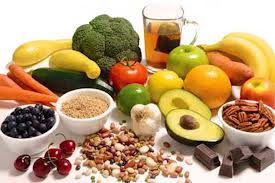
What kind of energy is represented in the picture?
a)
Thermal
b)
Chemical
c)
Sound
d)
Nuclear
37.

Select the correct order of waves on the EMS (least energy to the most energy)

a)

Radio, Micro, Infra, Visible, Ultra, X-ray, Gamma

b)

Gamma, X-ray, Ultra, Vis, Infra, Micro, Radio

c)

Vis, Micro, Infra, Ultra, X-ray, Gamma, Radio

d)

Micro, Radio, Vis, Infra, Ultra, X-ray, Gamma

38.
Electrical Energy is transferred to _____ Energy.
a)
Thermal
b)
Solar
c)
Electrical
d)
None
39.

Which of the following has the shortest wavelength?

a)

Infrared

b)

The color Indigo

c)

Infrared

d)

TV

40.
Which has the SHORTEST wavelength and, therefore, the highest frequency/most energy
a)
Radio waves
b)
Ultraviolet Rays
c)
Gamma Rays
d)
X-rays
41.

Which of the following has the most energy?

a)

TV

b)

Microwaves

c)

Radiowaves

d)

Infrared

42.
Which type of waves are used in broadcasting?
a)
radio waves
b)
infrared rays
c)
x-rays
43.
Light behaves like both a particle and a ______.
a)
Mass
b)
Wave
c)
Current
44.
What type of energy is in this picture?
a)
Kinetic
b)
Potential
c)
Chemical
d)
Sound
45.
Which electromagnetic waves are used in ovens and cell phone communications?
a)
Infrared rays
b)
ultraviolet rays
c)
microwaves
46.
Which section of the spectrum is the ONLY one we can see?
a)
X-rays
b)
Visible Light
c)
Gamma Rays
d)
Ultraviolet Rays
47.
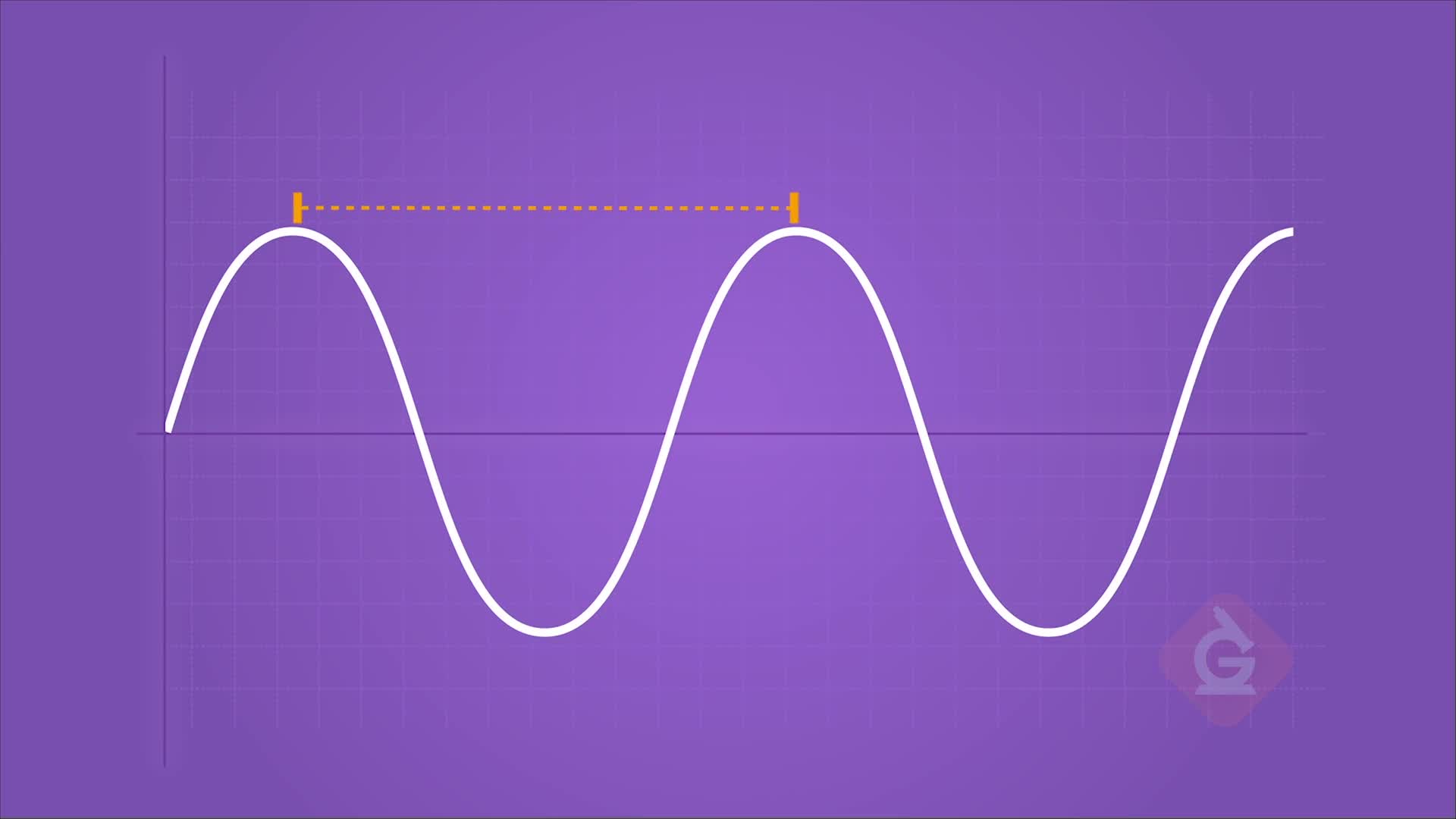
What is the distance from the peak of one wave to the next peak?
a)
Amplitude
b)
Frequency
c)
Period
d)
Wavelength
48.
Which electromagnetic waves help doctors detect broken bones inside your body?
a)
gamma rays
b)
x-rays
c)
ultraviolet rays
49.
A wave with a large wavelength will have a ______ frequency and _____ energy
a)
high, low
b)
high, high
c)
low, high
d)
low, low
50.
What are electromagnetic waves?
a)
sound waves
b)
electric & magnetic fields (energy) that travel through empty space very quickly
c)
Someone's name
d)
things like longitudinal waves
51.
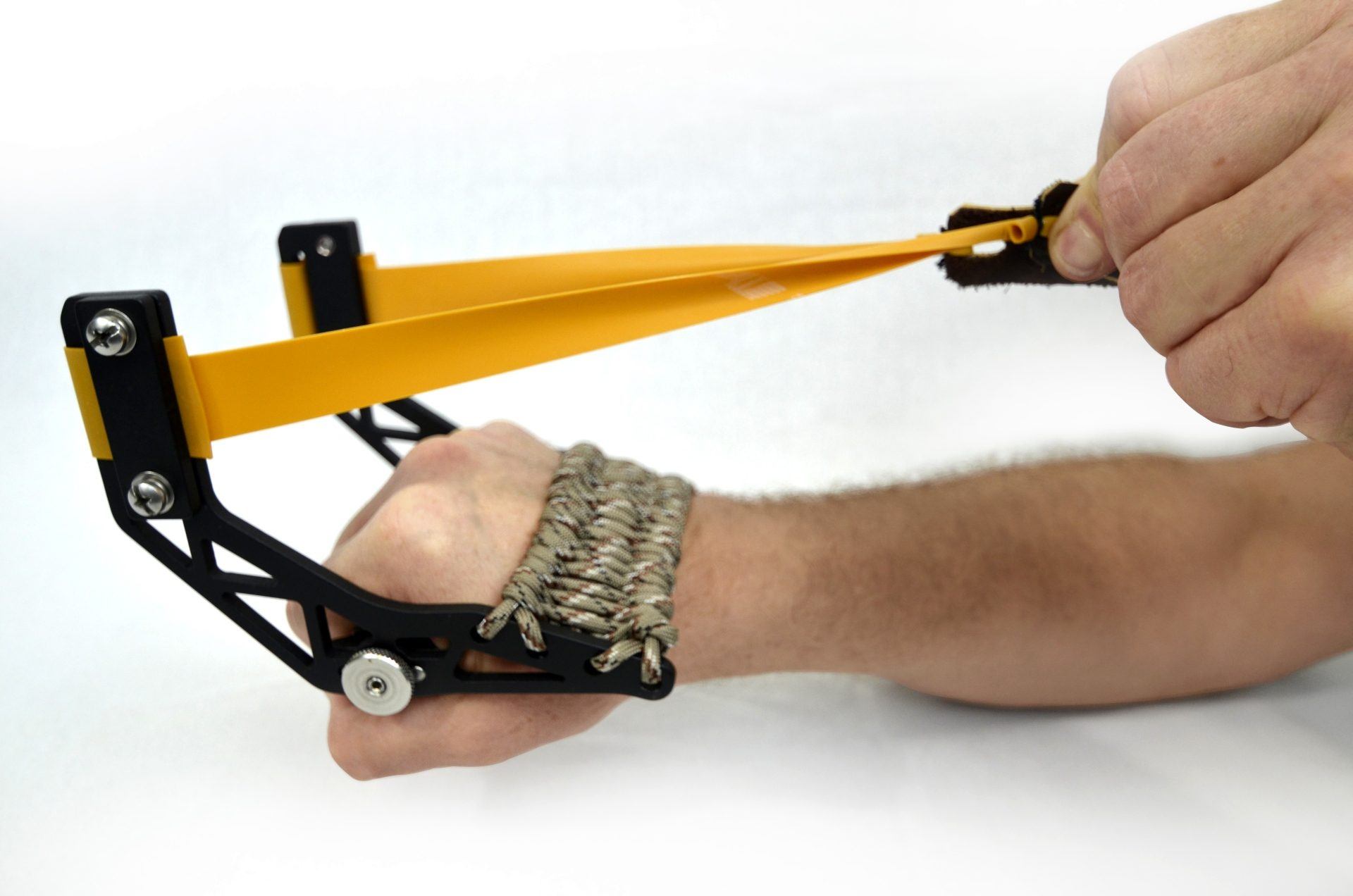
What kind of energy is represented in this picture?
a)
Thermal
b)
Potential
c)
Nuclear
d)
Mechanical
52.
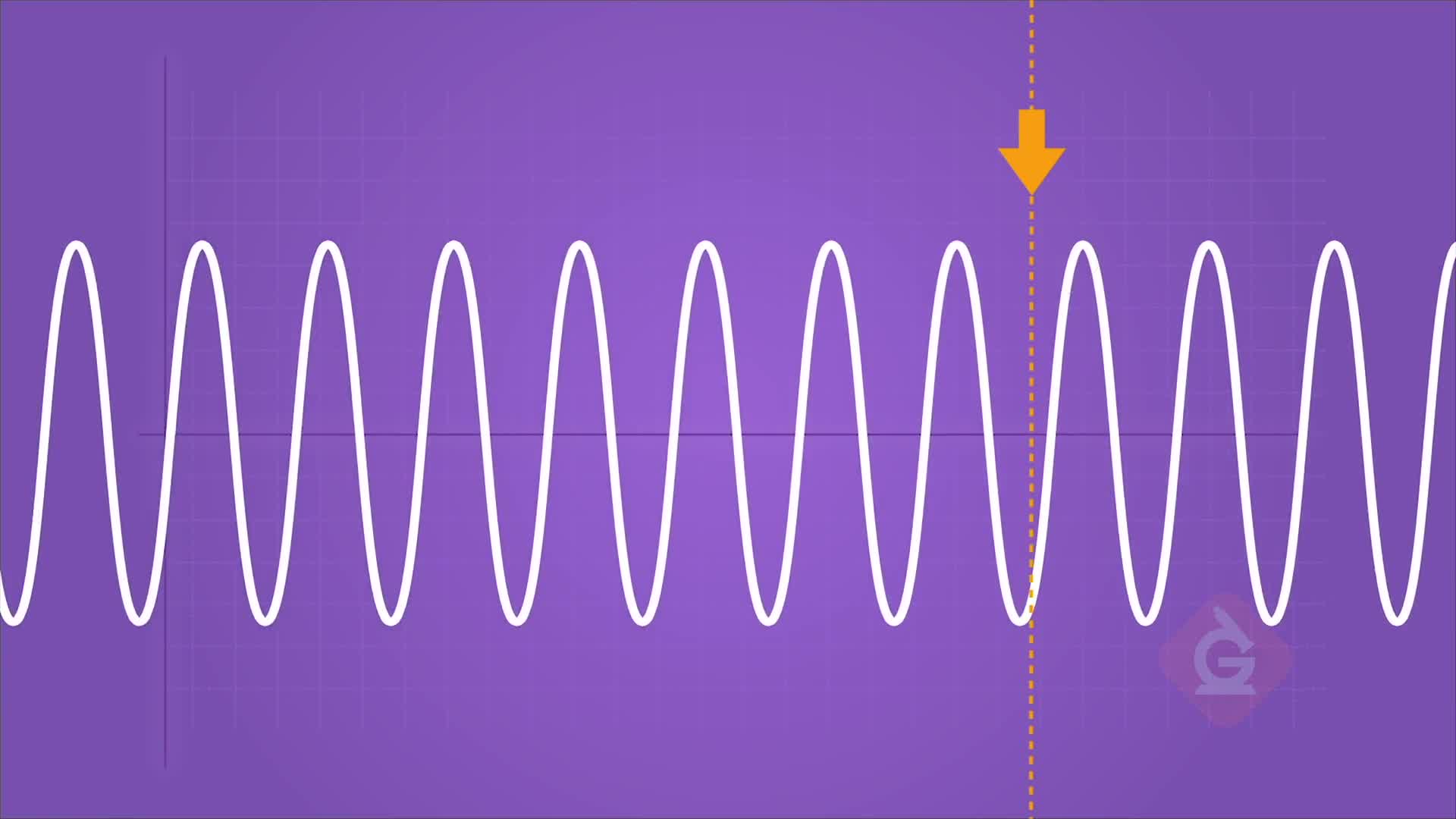
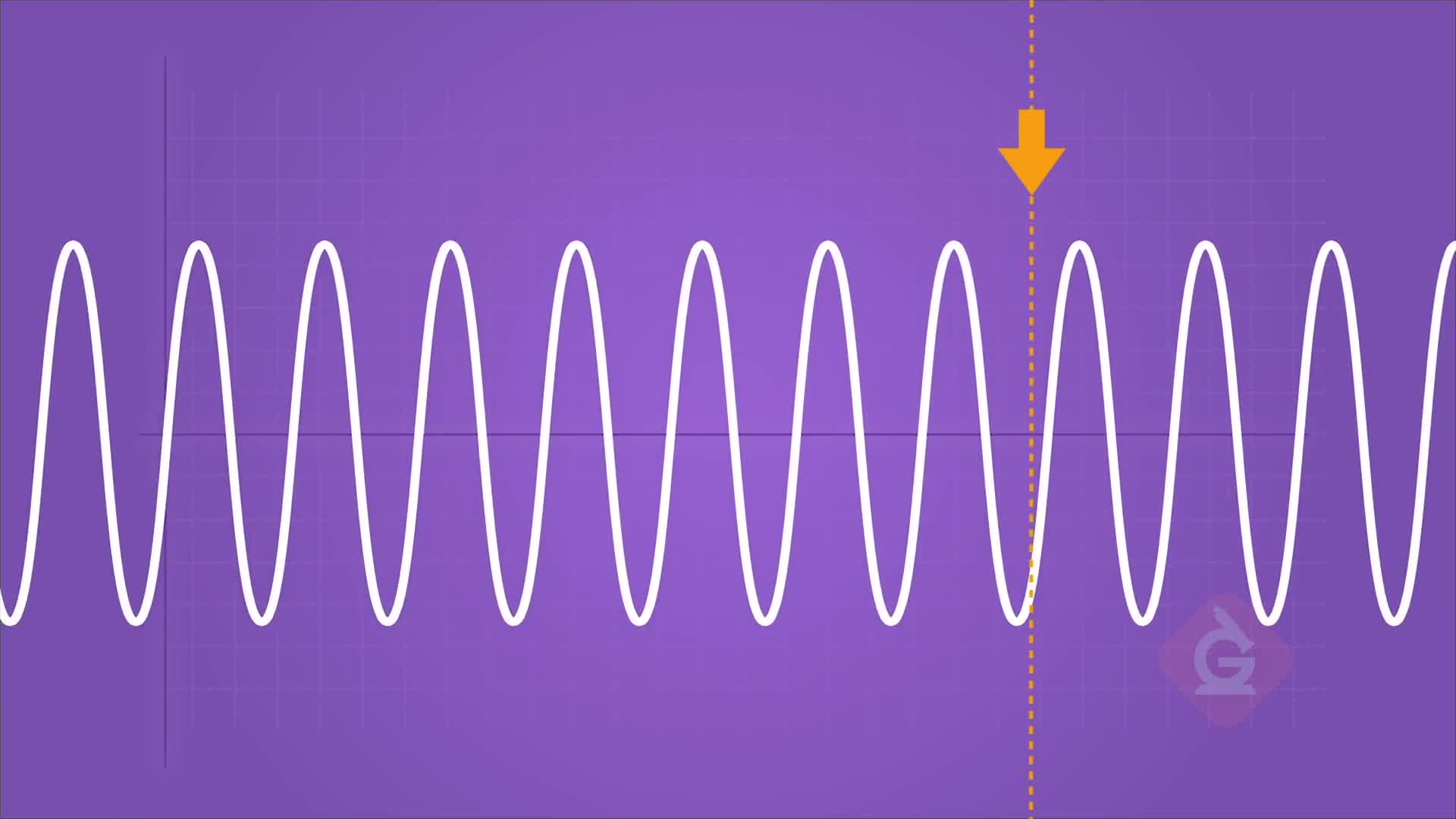
What is the number of waves that pass a point in one second?
a)
Amplitude
b)
Frequency
c)
Period
d)
Wavelength
53.
Electromagnetic waves that help your body produce vitamin D are called?
a)
ultraviolet rays
b)
x-rays
c)
gamma rays
54.
What type of waves does light travel in?
a)
transverse
b)
compression
c)
high and low waves
d)
waves like the ocean
55.
How much of the electromagnetic spectrum is visible?
a)
All of it
b)
None of it
c)
Most of it
d)
Only a small part
56.
These waves make water molecules vibrate and warm up.
a)
Gamma
b)
Microwaves
c)
Radio
d)
Ultraviolet
57.
Increasing the amplitude of a wave, _________ the wave's energy.
a)
increases
b)
decreases
c)
does not change
58.

Can too Much Ultra Violet Light can Cause Cancer

a)

True.

b)

False.

59.
The full spectrum of light energy is called the__________
a)
broad spectrum
b)
electromagnetic spectrum
c)
helium spectrum 
d)
natural light spectrum
60.

What electromagnetic wave do humans emit as heat energy?

a)

infrared light

b)

ultraviolet light

c)

visible light

d)

microwaves

61.
The energy of waves _______ as the wavelength gets shorter.
a)
increases
b)
decreases
c)
stays the same
62.

This type of electromagnetic wave has different colors of light that all have different wavelengths.

a)

Gamma Rays

b)

Microwaves

c)

Infrared

d)

Visible Light

63.
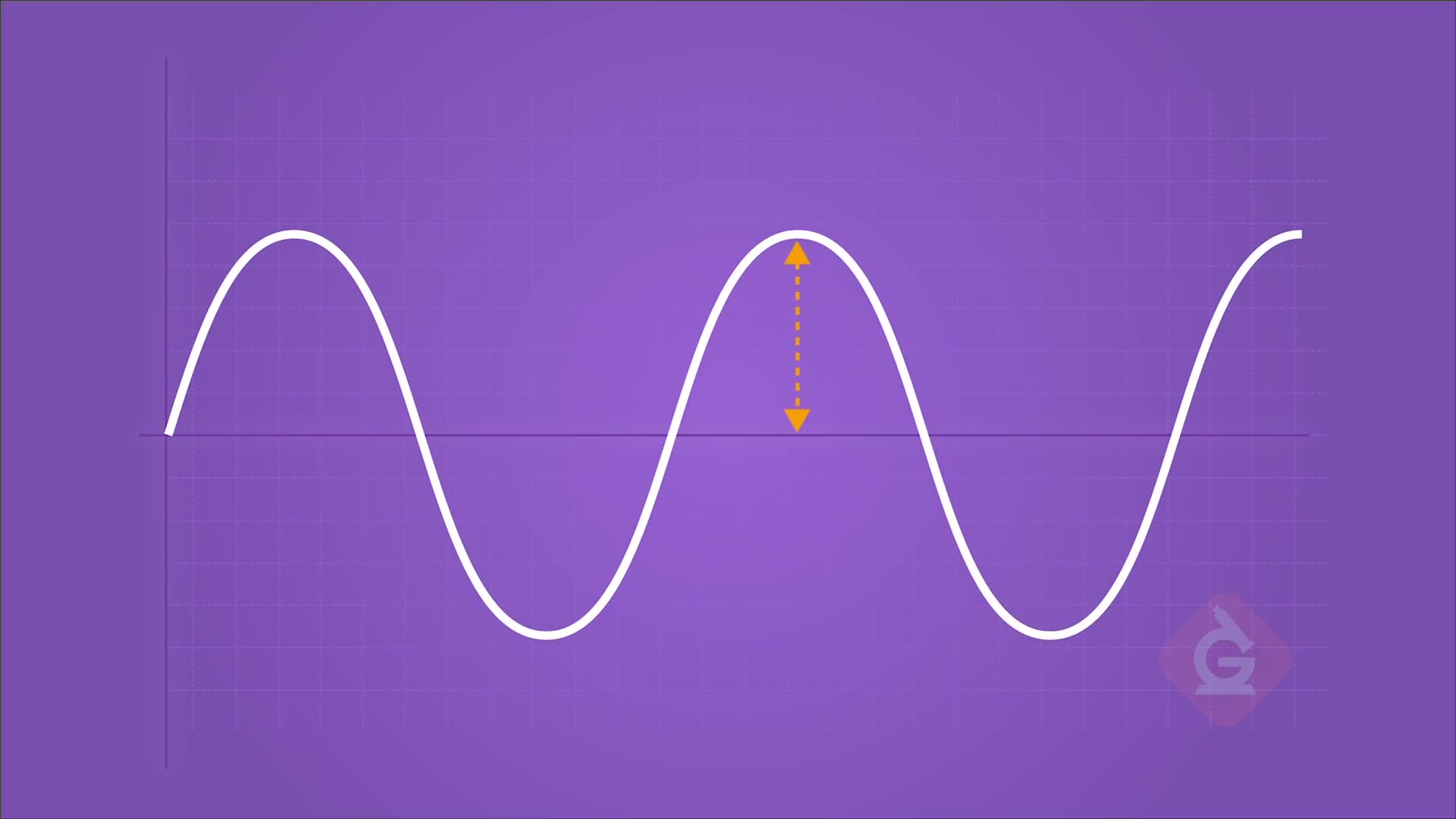
What is the height of a wave from its resting point?
a)
Amplitude
b)
Frequency
c)
Period
d)
Wavelength
64.
What particles make up light?
a)
Photons
b)
Neutrons
c)
Protons
65.

Energy waves bouncing off the surface of an object and returns energy back to the source.

a)

Reflection

b)

Refraction

c)

Lens

66.
A substance through which light travels.
a)
Wavelength
b)
Opaque
c)
Frequency
d)
Medium
67.
A reflected sound wave
a)
frequency
b)
pitch
c)
echo
d)
rarefaction
68.
What is this a picture of?
a)
reflection
b)
refraction
69.

This type of electromagnetic wave has the most energy and therefore can be very dangerous.

a)

Microwaves

b)

Radio Waves

c)

X Rays

d)

Gamma Rays

70.
EM waves have the same speed but different:
a)
frequency & medium 
b)
wavelength & frequency
c)
medium & wavelength
d)
color & medium
71.

What happens to the speed of light as it exits the air and enters a glass of water?

a)

It speeds up

b)

It remains constant

c)

It slows down

d)

It first slows down and then speeds up

72.

Sound waves travel as ________ waves.

a)

Transverse

b)

Longitudinal

c)

Surface

73.

Which of the following statements about how light waves travel is correct?

a)

light waves travel the fastest through liquids and slowest through the air

b)

light waves travel faster through solids than through air

c)

light waves travel the fastest through solids and slowest through liquids

d)

light waves travel faster through the air than through solids

74.

In which of these types of media will sound travel fastest?

a)

Solid

b)

Liquid

c)

Gas

75.
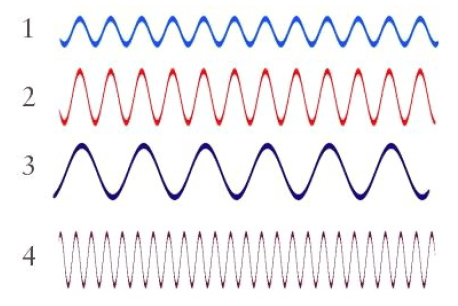
Which wave in the diagram has the greatest frequency?
a)
1
b)
2
c)
3
d)
4