
 Worksheets
8th Grade Science LEAP Study Questions
Total questions: 79
Worksheet time: 3605secs

Alfred Wegener named his single supercontinent ____________, which means "all Earth" in ancient Greek.
Pandora
Gandowandaland
Pangea
Percia

True or False: The continental plates move so quickly that we can feel them.
True
False


Which layer of Earth flows slowly and causes the crust to move?
Crust
Mantle
Inner Core
Outer core

Subduction means.....
one plate goes under another plate
two plates slide past each other
two plate collide and form folded mountains

Sea-floor spreading explains how.....
new crust is created at a divergent boundary
volcanoes are formed on continents
deep sea trenches are formed
An opening on the Earth's crust through which hot molten rock flows out from deep inside the Earth.
Volcano
Fault line
Fold
Crater


Hot things have ____________ thermal energy than cold things
more
less
same
potato
Cold things often have a _________ kinetic energy because_______
lower; particles are moving around less
lower; particles are moving around more
higher; particles are moving around the same
higher; particles do not move
As temperature increases, molecules _____________
move slower
move the same
move faster
stop moving

Nash puts his cold Coke Slurpee on to the metal roof of his mom's car. Describe the heat transfer that takes place.
Heat is transferred from the car's roof into the Slurpee and increases the temperature of the Slurpee.
Heat is transferred from the Slurpee into the roof and increases the temperature of the roof.
The Slurpee stays the same temperature until it is completely gone.
The roof doesn't change temperature due to the fact that it sits in the sun all day.
Which of the following describes what is meant by Natural Selection?
An organism will survive no matter what its adaptations may be
An organism with adaptations that do not allow it to reproduce as effectively as others will survive.
An organism with adaptations that allow it to obtain resources and reproduce more effectively than others will survive.
No organisms will survive.
All the different organisms in a population
A community of organisms.
Organisms of the same kind that can reproduce with one another and create fertile young.
Organisms of different kinds that can reproduce with one another.
Mutations are always harmful to an organism's survival.
True
False
In Survival of the Fittest Darwin believed
The organism with adaptations that allow it to fit into its environment better is the one that will survive and reproduce.
The organisms without the adaptations to fit into its environment is the one that will survive.
Over time natural selection can change how often a trait is seen within a population.
True
False
Which of the following is an environmental pressure that might affect the survival of a species?
Predators
Seasonal Changes
Disease
All of the Above
Some species produce an over abundance of eggs because not all of them will survive.
True
False
What was the variation in the Peppered Moth that affected their survival?
Size
Aggressiveness
Color
Species
Before the industrial revolution the birds were eating more black moths. After the industrial revolution the birds started eating more white moths. Why
The birds thought the white moths tasted better.
There were not any black moths to eat
The white moths stood out on the dark trees so the birds could see them easier.
Animals and plants can choose to adapt to their environment and the effects of natural selection can usually be seen in a very short time.
True
False
Animals compete for resources in the environment. This will affect an organism's survival.
True
False
Which of the following are factors that affect the survival of species?
Overproduction
Variation
Competition
All of the above
Adaptations can be:
camouflage
ability to survive cold weather
hunting skills
all of the above

What is most likely to happen to moth populations in the picture shown?
Light moths--hunted easily, dark moths--population increase
Dark moths--hunted easily, dark moths--population increase
Light moths--hunted easily, light moths--population increase
Lights moths will change their color to match dark moths.
Which model is demonstrating what molecules in a liquid look like.


Which model is demonstrating what molecules in a gas look like.

Which model is demonstrating what molecules in a solid look like.

An example of sediment is......?
lava
Tiny pebbles and sand
basalt
granite

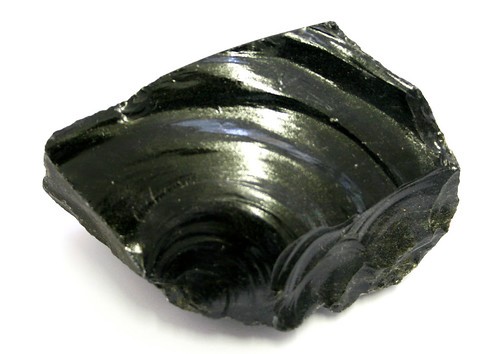
The rock type that forms when magma cools and becomes solid is
metamorphic
igneous
sedimentary
marble
If a sedimentary rock is uplifted, will it become a new type of rock?
Yes
No
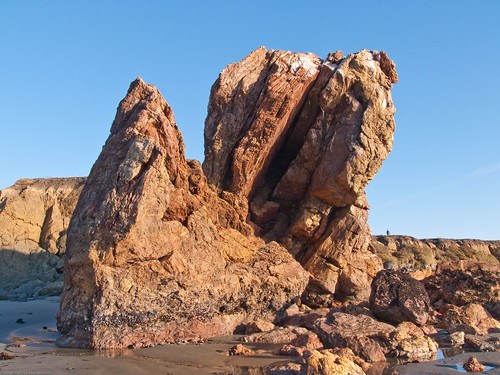
Which type of rock is formed when heat or pressure deep underground changes existing rock?
igneous
metamorphic
sedimentary
marble
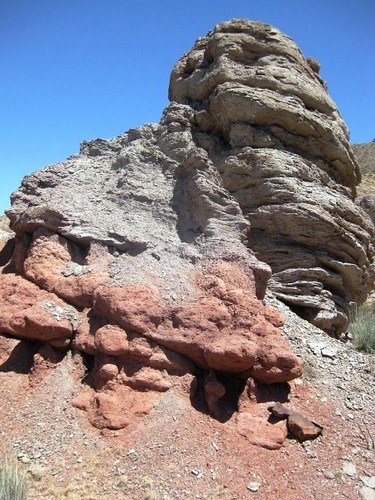
What is the process of rock breaking down into smaller pieces due to wind or moving water?
weather
weathering
washer
wash out
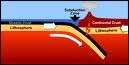
The process by which rock material moves under earth's outer layer and into the mantle due to plate motion is
abduction
subduction
reduction
action
The process by which all the rock formations of a region are pushed up due to plate motion is called
pushed up
rock lift
uplift
messed up
When a rock is subducted it is exposed to energy from
Sun
Earth's interior
When a rock is uplifted it is exposed to energy from the
Sun
Earth's interior
What are the products of cellular respiration? Choose 3.
water
ATP
Oxygen
Sunlight
Carbon Dioxide
The process in which a cell harvests energy from glucose and makes it into usable energy for the body is called-----
cellular fermentation
anaerobic respiration
aerobic fermentaion
cellular respiration
During cellular respiration, energy is released from food. What else does the cell need for this process to take place.
carbon dioxide
oxygen
sunlight
nitrogen
Most energy that is released during respiration is produced in the ____
sky
mitochondria
stoma
chloroplast

What happens to the speed of evaporation of water when the temperature increases?
speed of evaporation decreases
speed of evaporation increases
speed of evaporation stays the same

The law of conservation of mass states that the total mass of the reactants is ________.
Equal to the mass of one of the products but not the other.
Less than the mass of the products.
Greater than the total mass of the products.
Equal to the total mass of the products.

Looking at the chemical equation pictured, how many CARBON atoms are there on each side?
1
2
3
4
Looking at the chemical equation pictured, how many OXYGEN atoms are there on each side?
1
2
3
4
Looking at the chemical equation pictured, how many HYDROGEN atoms are there on each side?
1
2
3
4
Looking at the same chemical equation from above, which statement is true?
The total number of atoms in the reactants in less than the total number of atoms in the products.
The properties of the reactants are the same.
The amount of matter in the reactants is the same as the amount of the matter in the products.

What causes water vapor to rise into the atmosphere?
The ocean
The Sun's energy
The force of gravity

Roasting marshmallows is an example of a ______________ change since it is changing color and is irreversible
chemical
physical
state

Evaporation is ...
A liquid turning into a solid
A liquid turning into a gas
A gas turning into a liquid
a solid turning into a liquid
Which is an example of CONDENSATION?
rain falling
boiling water
clouds forming
a river flowing
Which is an example of Runoff?
rain falling
boiling water
clouds forming
a river flowing

