
 Worksheets
Reproduction & Heredity
Total questions: 80
Worksheet time: 2hrs 0mins

Heredity
the passing of traits from parent to offspring
Another way to determine asexual reproduction in animals
Vegetative reproduction

Asexual reproduction
one organism produces offspring that are identical to itself
two organisms that produce offspring that are identical
one organism that produce offspring that are different that the parent

Spores
Produced asexually
Produced sexually

Fertilization
when a sperm and egg join together
part of the 4 stages of Mitosis
Only in prokaryotic cells

Asexual reproduction produces.....
genetically diverse offspring
uniform offspring
Spongebob Offspring

Genes are passed from parent to offspring
True
False

You inherit your genes from your.....
brother
pet
parents

Asexual reproduction produces
Two offspring cells with the same genetic material as the parent cell.
Two offspring cells with half genetic material as the parent cell.
Four offspring cells with the same genetic material as the parent cell.
Four offspring cells with half the genetic material as the parent cell.

What is reproduction?
a play
making of the next generation
to do something over
none of the others

A mode of reproduction by which an organism arises from a single organism and inherit the identical genes of that parent
Asexual Reproduction
Sexual Reproduction
Genetic Variation
Alleles


A mode of reproduction in which an organism arises from two organisms and inherits half of its DNA from each parent
Sexual Reproduction
Asexual Reproduction
Cloning
Fragmentation
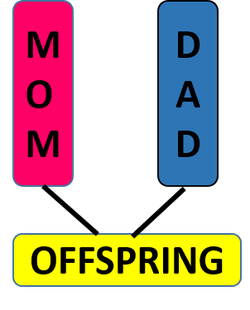
Requires two parents
sexual
asexual
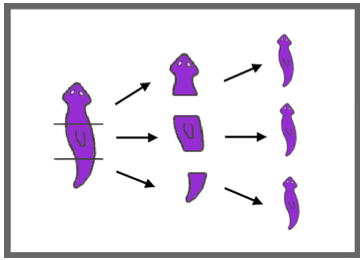
Requires only one parent
sexual
asexual


Which is a type of Asexual Reproduction
Sexual
Binary fission
Cells
organism
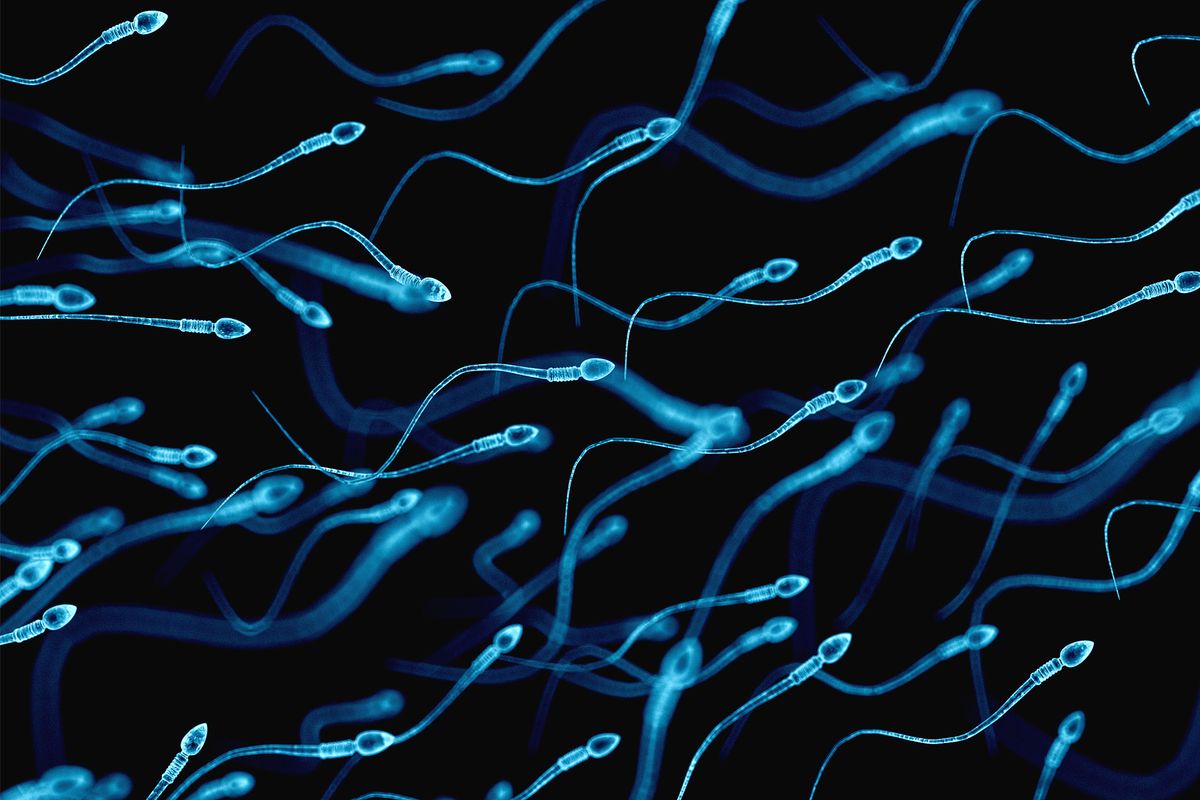
In sexual reproduction the male produces ___ cells.
Malex
Quack
Egg
Sperm
In sexual reproduction the female produces ___ cells.
Femalex
Quack
Egg
Sperm
A sperm and an egg join together in a process called
mitosis
meiosis
fertilization
fission
___________ reproduction has the advantage of increasing genetic variation.
Sexual
Asexual
Fission
Budding

Brown Bears reproduce sexually, so all the baby bears are...
different.
the same.

California blackworms, also known as mudworms, are able to break apart. Each body section that broke apart is able to become an identical new worm. What type of reproduction does this example represent?
Sexual reproduction
Asexual reproduction

Penguins lay 1-2 fertilized eggs that the male and female take turns incubating on their feet. What type of reproduction does this example represent?
Sexual reproduction
Asexual reproduction
Reproducing asexually will produce offspring ...
genetically different from each other
genetically identical to the parent
How many parents are required for asexual reproduction?
none
1
2
4
How do bacteria reproduce?
mitosis
budding
binary fission
regeneration
What is one advantage of asexual reproduction?
offspring are different from parents
two parents
it takes a longer time
it takes less time
How many parents are involved with sexual reproduction?
none
1
2
4
Mark all that are examples of asexual reproduction.
spores
budding
regeneration
meiosis

___________________ is a type of asexual reproduction in which a piece of a parent organism breaks off to form an new organism (ex. starfish).
fission
budding
fragmentation
fertiliztion

When a single-celled organism splits into 2 new organisms it is called _________________.
fragmentation
binary fission
budding
sporulation
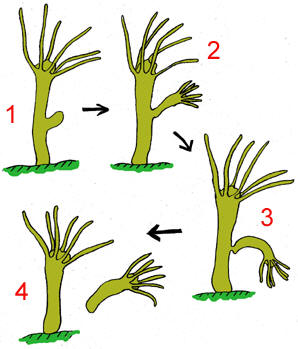
When an offspring grows off from the body of a parent organism it is called __________________.
budding
fission
fragmentation
sporulation
Some advantages of sexual reproduction include: (select all that apply)
genetic variation
improves chances of adapting to the environment
helps species survive catastrophes
it doesn't take as much energy as asexual reproduction
What are some disadvantages to sexual reproduction? (select all that apply)
it takes a lot of energy to find a mate
you don't need another mate
it requires a male and a female
more genetic errors can occur
Performed in laboratories and produces identical individuals from a cell or from a cluster of cells taken from a multicellular organism:
fission
budding
cloning
regeneration
What organism reproduces using regeneration?
coral
strawberries
bacteria
sea star

Which of the following is not a benefit of asexual reproduction?
Offspring will be successful in an unchanged environment.
Good at adapting to changing environments.
Only requires one parent to produce offspring.
Can reproduce rapidly.
An organism that has been reproduced by asexual means receives ______________ of its chromosomes from its one parent.
3
25%
50%
100%
In asexual reproduction, all of the offspring are:
Physically Identical
Genetically Identical
Physically and Genetically Identical
Not Identical
What is the big advantage of sexual reproduction?
Can quickly grow the population
Offspring are guaranteed to be successful in an unchanged environment.
Only one parent is required to reproduce.
Can adapt to changing environments
An organism that has been reproduced by sexual reproduction received ____________ of its chromosomes from the male parent.
4
25%
50%
100%
Requires two parents
sexual
asexual

Heredity is -
the appearance of traits due to the environment
the passage of genetic instructions from parents to offspring
the development of learned characteristics
the emergence of new traits in the second generation
What organelle is responsible for inherited traits?
Mitochondria
Cell membrane
Ribosome
Nucleus

The passing of physical characteristics, or traits, from parent to offspring.
Genetics
Dominant allele
Heredity
Recessive allele

Where are chromosomes found?
vacuole
cell membrane
nucleus
mitochondria


An offspring gets its DNA from________.
Mom & Dad
(50:50)
Mom & Dad
(60:40)
Mom & Dad
(40:60)
Only Mom
In people, the Dominant allele (W) codes for a Widow's Peak. The recessive allele (w) codes for no Widow's Peak. Which phenotype would you expect to be more common? Why?
Widow's Peak- it is the recessive trait.
Widow's Peak-
It is Dominant, so it could be both WW or Ww
Widow's Peak-
It is recessive, so it could be both ww or Ww
No Widow's Peak-
It is Dominant, so it could be both WW or Ww
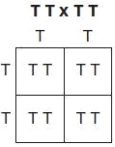
What is ratio of the offspring from the cross shown will be homozygous recessive for the trait of tallness? T = tall t = short
0 in 4
1 in 4
2 in 4
4 in 4



