
 Worksheets
Second Nine Weeks Study Guide (75)
Total questions: 75
Worksheet time: 39mins
How do you make a shade?
adding black to a color
adding white to a color
adding black and white to a color
adding gray to a color
Which of the following is NOT a primary color?
red
orange
yellow
blue
Complementary colors are located where on the color wheel?
in a square format
equal distance apart
next to each other
directly opposite each other
Red, yellow and blue are called what kind of colors?
triadic
secondary color
primary color
warm
What is the complement to yellow
red
violet
green
orange
How do you make a tint?
adding gray
adding white
adding black
adding red

What are these colors called?
Intermediates
Warms
Cools
Secondary
What two colors make violet?
Red and Yellow
Red and Blue
Red and Violet
Red and Black

Name the temperature
Monochromatic
Analogous
Warm
Cool

Name the color.
blue-green
aqua
teal
dark green

Name the color scheme.
Analogous
Split- Complementary
Tints
Double-Split Complementary
What two colors make orange?
Red and Green
Yellow and Orange
Red and Blue
Red and Yellow

Name the color
Blue
Blue-violet
Blue-green
Blue neutral
One color plus tints and shades is called?
Monochromatic
Analogous
Tints
Shades
What color scheme has three colors located side by side?
Triadic
Monochromatic
Analogous
Split-complementary
Tints are _______________ values.
gray
dark
light
black
How are intermediate colors made?
mixing white with the color
mixing two primary color
mixing a primary and secondary
mixing black with the color

Name the color scheme.
Split-Complementary
Double-Split
Complementary
Triad
Analogous

Name the color.
Red neutral
Red-violet
Red-orange
Red

Name the temperature.
Warm
Analogous
Cool
Monochromatic
To make a shade you add ___________ to a color.
brown
black
white
gray
How is a secondary color made?
mixing white with a color
mixing a primary and secondary
mixing two primary color
mixing gray with a color
What is the complement to blue?
orange
yellow
yellow-orange
yellow-green

Name the color
lime green
yellow-green
green
light green

Name the color scheme.
split-complementary
complementary
double-split
monochromatic
Blue + violet =
blue-green
blue-red
blue
blue-violet
How is gray made?
by mixing black to a color
by mixing black and white
by mixing white to a color
by mixing gray to color

What is the color scheme?
Cool
Secondary
Triad
Warm

Name this color
Burgundy
dark red
red-violet
maroon

Name the color.
dark blue
blue-violet
blue
blue-green
Shades are ______________ values.
warm
cool
dark
light
Name the warm colors.
red, yellow, orange
reds, blues, oranges
reds, yellows, oranges
oranges, greens, violets
Which of the following is not a secondary color?
Red
Green
Orange
Violet
What color scheme uses three colors that are space equal distance apart?
Primary
Triadic
Split-complementary
Analogous
What two colors make yellow-green?
green and white
yellow and orange
yellow and green
green and black
Name the cool colors.
Greens, blues, and yellows
Greens, blues, and Oranges
Greens, blues, and Reds
Greens, blues, and Violets

Name the color scheme.
Monochromatic
Split-complementary
Complementary
Achromatic
If you mix two complementary colors together, they will make each other dull, or make a neutral.
TRUE
FALSE
What is the complement to red-orange?
blue-green
blue-violet
blue
navy blue
Pink, Red and Burgundy is an example of what color scheme?
Monochromatic
Analogous
Split
Complementary

What is the color scheme?
Analogous
Split
Complementary
Monochromatic
Red, __________________ and violet is an example of analogous.
blue-violet
red-orange
red-violet
orange
Name the missing color for this monochromatic scheme.
_______________, Blue, Dark Blue
blue-violet
light blue
blue-green
violet


What does value mean in art?
lightness and darkness of a color
brightness and dullness of a color
how expensive the artwork is
how much color is used

This is an example of what color scheme?
Analogous
Triad
Monochromatic
Complementary
What color comes next: red, red-orange, orange, _____________?
yellow-orange
yellow
yellow-green
red-violet

This is an example of an _____________ painting.
Complementary
Achromatic
Monochromatic
Analogous


hint* (this is dark blue)

Blue-green, _____________, and Blue-Violet, what is the missing color?
Violet
Blue
Green
Red
Which set is split-complementary?
G-RV-O
G-RV-V
G- RV-RO
G-RO- R
Blue added to orange is
Dark Blue
Blue-violet
Blue-orange
Neutral/Brown
Red-Violet and Yellow-Green is what scheme?
Neutrals
Split- Complementary
Complementary
Double-Split
A scheme made up of neutrals is called
Achromatic
Brown
Blacks, whites, and grays
Triad
Orange, Green, Blue and ________. What is the missing color?
Red-Violet
Blue-Green
Yellow
Red
Two sets of complementary colors that forms an "X" on the color wheel
Double-Split
Split- Complementary
Complementary
Analogous
Dark red is a___________ of red.
Complement
Shade
Tint
Tone
Browns, blacks, grays and white are called
Neutrals
Tones
Shades
Tints
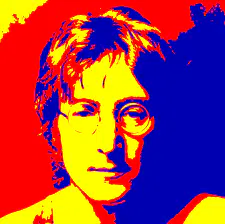
What's the color scheme?
Primary
Warm
Triad
Cool
RV- YO and BV is what color scheme?
Double-Split
Split- Complementary
Triad
Analogous
Which of the following is a complementary color scheme?
Red and Violet
Red and Orange
Red and Yellow
Red and Green
A color plus color colors on either side of its complement and forms a "Y" on the color wheel is called?
Split-Complementary
Double-Split
Triad
Monochromatic
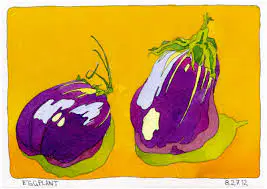
What color scheme is visible?
Split- Complementary
Complementary
Double-Split
Monochromatic
When mixing for colors, the lighter color must be added to the darker value.
True
False

What is the color scheme?
Analogous
Achromatic
Monochromatic
Split-Complementary
What color does blue and white make?
dark blue
light violet
light blue
Complementary colors neutralize each other causing them to become dull.
True
False
What is the complement to red-orange?
Yellow-Orange
Blue-Violet
Blue-Green

