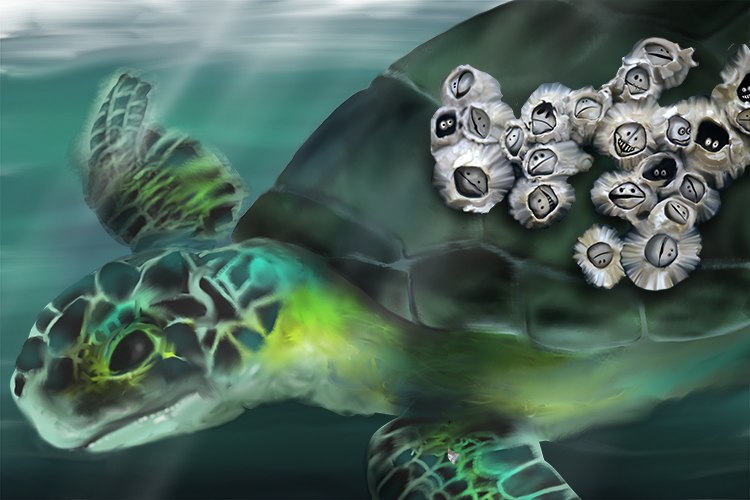
Wayground logo

Free Printable Worksheets

Font size

S
M
L
XL
Worksheets

Ecology Review

Total questions: 23

Worksheet time: 11mins

Name
Class
Date
1.
Abiotic factors in the environment are all __________. 
a)
living
b)
nonliving
2.
Lions, birds, snakes and trees are all __________.
a)
abiotic factors
b)
biotic factors
c)
part of a niche
d)
in the same food chain
3.
Grass --> Grasshopper --> Mockingbird represents __________. 
a)
food chain
b)
food pyramid
c)
food web
d)
ecosystem
4.
Energy in an ecosystem is used for growth or lost as __________
a)
light
b)
heat
c)
death
d)
biomass
5.
Algae, grasses and trees are all __________. 
a)
decomposers
b)
consumers
c)
autotrophs/producers
d)
pyramids
6.
A trophic level represents a _________. 
a)
consumer
b)
feeding level
c)
speeding level
d)
cooking level
7.
The portion of Earth that supports life is the __________
a)
individual
b)
community
c)
biosphere
d)
environment
8.
An animal that eats plants and meat is a(n) __________.
a)
herbivore
b)
omnivore
c)
carnivore
d)
decomposer
9.
An organism`s role in its community is its __________, and where it lives is its _________.
a)
habitat; niche
b)
role in community; niche
c)
niche; role in the community
d)
niche; habitat
10.
Which of the following memebers of the food chain is a teritary carnivore?
a)
tree
b)
insect
c)
bird
d)
fox
11.

Which level has the least amount of energy?

a)

producer

b)

decomposer

c)

primary consumer

d)

secondary consumer

12.

Ecology is the study of .

a)

life

b)

Interactions among organisms and their environments

c)

interactions among organisms

d)

how traits are passed from parents to offspring
13.

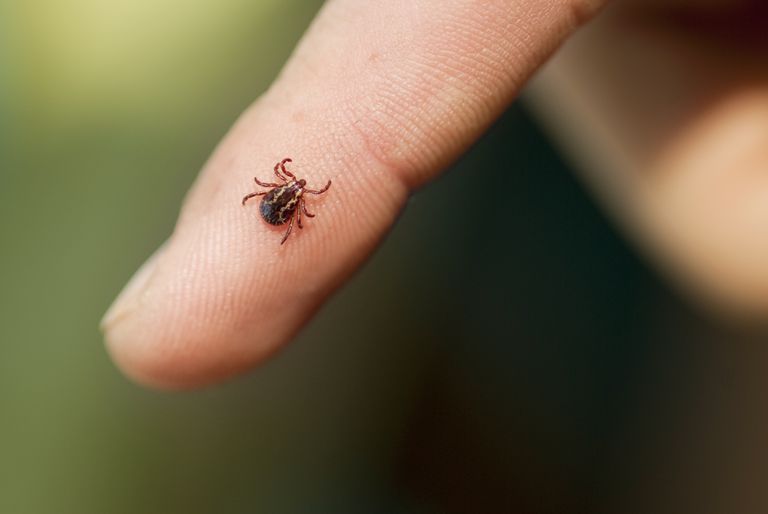
An ongoing relationship in which one organism benefits and the other is harmed.

a)

A. Predator & Prey

b)

B. Mutualism

c)

C. Commensalism

d)

D. Parasitism

14.

A close, ongoing relationship between species in which at least one is benefiting and the other is not helped or harmed.

a)

Commensalism

b)

Symbiosis

c)

Predator & Prey

d)

Mutualism

15.

There are birds that eat the food from between the teeth of alligators, leaving the alligators with clean teeth and the birds with a meal. What type of ongoing relationship is this?

a)

A. Predator & Prey

b)

B. Mutualism

c)

C. Commensalism

d)

D. Parasitism

16.

Which of the following is a predator and prey relationship?

a)

A. Cow and grass.

b)

B. Vulture and a dead lion.

c)

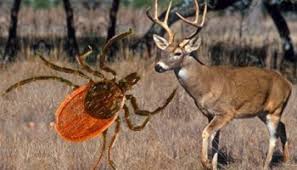
C. Tick and a deer.

d)

D. Spider and a fly.

17.

Tick and Deer

a)

Commensalism

b)

Mutualism

c)

Parasitism

d)

Predator/Prey

18.

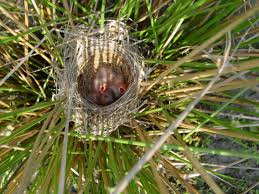
Bird builds nest in tree.

a)

Commensalism

b)

Mutualism

c)

Predator/Prey

d)

Parasitism

19.

Bee and flower.

a)

Commensalism

b)

Predator/Prey

c)

Mutualism

d)

Parasitism

20.
A living relationship between two species in which one organism is harmed is called...
a)
mutualism
b)
commensalism
c)
parasitism
d)
niche
21.
The amount of energy that usually transfers from one trophic level to the next...
a)
10%
b)
20%
c)
80%
d)
50%
22.

What is one way humans are trying to positively impact the ocean?

a)

Fishing

b)

Creating artificial reefs

c)

Harvesting oil and natural gas

d)

Transporting goods in ocean vessels

23.

The largest source of pollution in the ocean comes from __________.

a)

Oil Spills

b)

Acid Rain

c)

Runoff

d)

Wind