wayground logo

Free Printable Worksheets

NEW

Font size

S
M
L
XL
Worksheets

Unit 3 Review

Total questions: 61

Worksheet time: 2hrs 58mins

Name
Class
Date
1.

What is the smallest piece of matter that still has properties of that matter?

a)

element

b)

atom

c)

proton

2.

Negatively charged particle

a)

proton

b)

neutron

c)

electron

3.

Neutral charge particle

a)

proton

b)

neutron

c)

electron

4.

Positively charge particle

a)

proton

b)

neutron

c)

electron

5.
The central region of an atom where its neutrons and protons are is its 
a)
nucleus 
b)
electron cloud
c)
core 
d)
center 
6.
An atom with atomic number 6 would have how many protons 
a)
6
b)
12
c)
3
d)
cannot be determined 
7.
What does the nucleus consist of?
a)
Protons + Electrons
b)
Neutrons + Electrons
c)
Atoms
d)
Protons + Neutrons
8.

Which 3 things are always equal for an atom?

a)

Electrons, protons, and neutrons

b)

Atomic number, protons, electrons

c)

Mass number, atomic number, protons

d)

Atomic number, neutrons, electrons

9.

How many protons are in this element?

a)

12

b)

8

c)

7

d)

6

10.

What is the mass number for this element?

a)

12

b)

8

c)

7

d)

6

11.

How many electrons are in this element?

a)

39

b)

19

c)

20

d)

21

12.

What is the rounded mass for this element?

a)

8

b)

15

c)

16

d)

17

13.

How many neutrons are in this element?

a)

6

b)

16

c)

15

d)

8

14.
What are the basic building blocks for all matter?
a)
atoms
b)
elements
c)
compounds
d)
chemicals
15.
What do we call a substance consisting of a single atom?
a)
coefficient
b)
element
c)
compound
d)
molecule
16.
What do we call a chemical substance made up of 2 or more different types atoms bonded together?
a)
formula
b)
atom
c)
subscript
d)
compound
17.
All ____________ are made up of two or more atoms bonded together.
a)
atoms
b)
molecules
c)
electrons
d)
elements
18.
What are the states of matter?
a)
solid, liquid, and juice
b)
solid and liquid
c)
solid and gas
d)
solid, liquid, and gas
19.

What is a conductor?

a)

a material that heat moves through easily

b)

a material that heat does not move through easily

c)

a material that turns cold when heated

d)

a tool for measuring temperature

20.

What is an insulator?

a)

a material that heat moves through easily

b)

a material that heat does not move through easily

c)

a material that turns cold when heated

d)

a tool for measuring temperature

21.

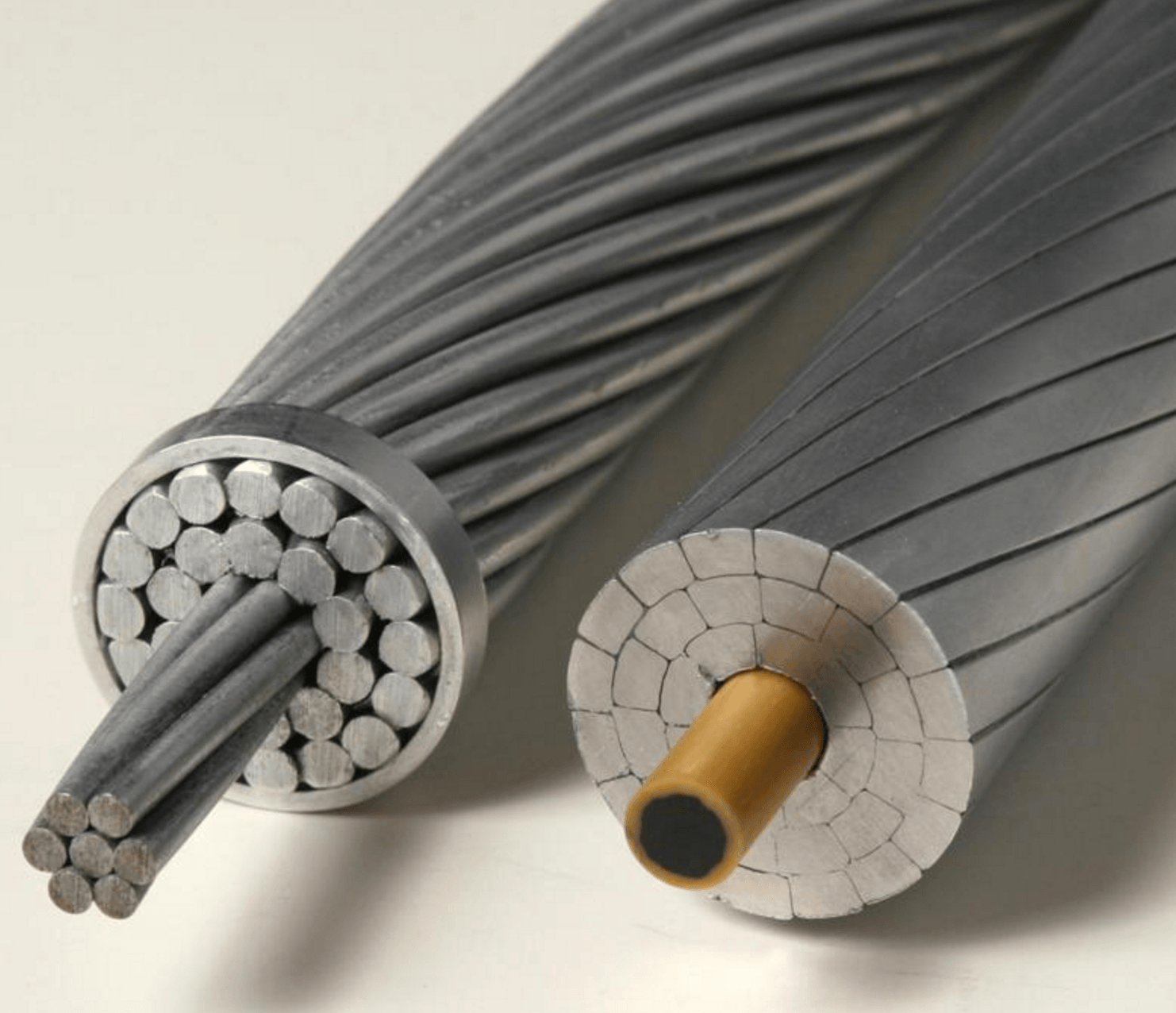
Which of these is a better conductor?

a)
b)
22.

Which of these is a better insulator?

a)
b)
23.
Heat is a form of _______________.  
a)
movement
b)
energy
c)
melting
24.

Heating up a substance makes the molecules:

a)

Slow down

b)

Speed up

c)

Merge together

d)

Melt

25.

Conduction requires

a)

Electricity

b)

the electromagnetic spectrum and particles

c)

air or water flow

d)

direct contact

26.

Heat transfer always moves ...

a)

cold to hot

b)

east to west

c)

hot to cold

d)

north to south

27.

If you walk barefoot on hot asphalt, energy is transferred by which process?

a)

Convection

b)

Radiation

c)

Conduction

d)

Reflection

28.

The diagram shows some rice being boiled in a pan. What is the main methods by which thermal energy is transferred (i) through the metal pan and

(ii) through the water?

a)

(i) conduction (ii) conduction

b)

(i) convection (ii) convection

c)

(i) conduction (ii) convection

d)

(i) convection (ii) conduction

29.

Which of the following correctly shows the direction of convection currents in water?

a)

A

b)

B

c)

C

d)

D

30.

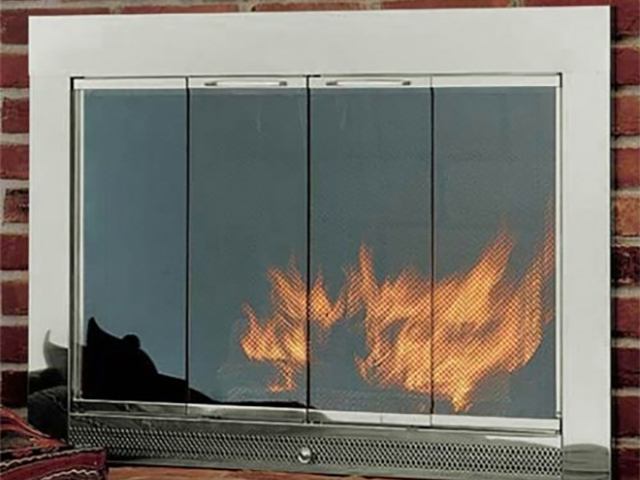
A chair is placed several feet from a fire in a fireplace. The fireplace has a glass screen. The side of the chair facing the fireplace gets warm because of

a)

Convection

b)

Conduction

c)

Radiation

31.

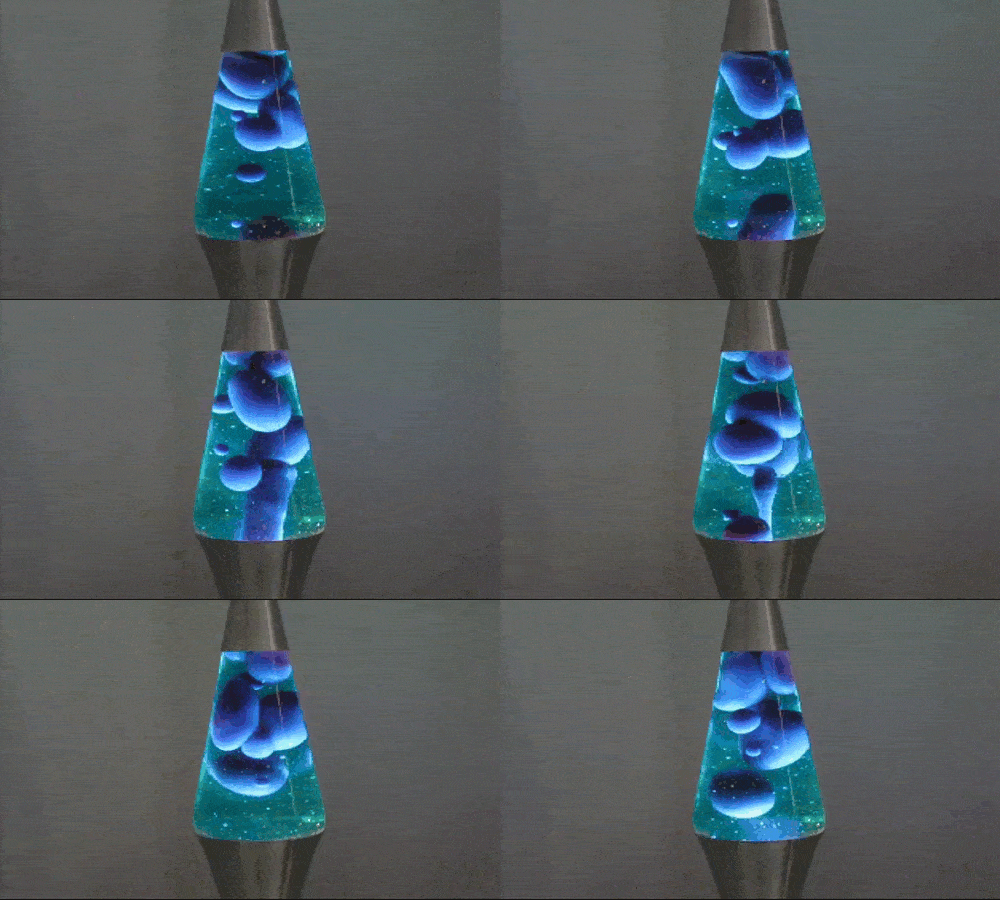
A certain type of decorative lamp contains colored liquids. These liquids form globs that break off and rise to the top of the liquid. The globs rise due to

a)

Convection

b)

Conduction

c)

Radiation

32.
If a box of crayons is left in a hot car on a summer afternoon, what change would you expect to observe in the crayons?
a)
gas changed to liquid
b)
liquid changed to solid
c)
solid changed to liquid
d)
liquid changed to gas
33.

Process from a solid to a liquid

a)

melting

b)

freezing

c)

condensation

d)

exaporation

34.

process of liquid to solid

a)

melting

b)

freezing

c)

condensation

d)

evaporation

35.

process of liquid to a gas

a)

melting

b)

freezing

c)

evaporation

d)

condensation

36.

process of gas to a liquid

a)

melting

b)

freezing

c)

evaporation

d)

condensation

37.
Helium balloons rise on earth because
a)
helium is less dense than air
b)
helium is more dense than air
c)
helium is cooler than air
d)
helium is warmer than air
38.
Look at this image.  Which object has the LOWEST density in water? How
a)
The Ping Pong Ball because it floats to the top 
b)
The bolt because it has sunk to the bottom
c)
The soda cap because it is not just full of air like the Ping Pong ball
39.
Why does ice float?
a)
Liquid water is less dense than solid water.
b)
Solid water is less dense than liquid water.
c)
Gaseous water is less dense than solid water.
d)
Liquid water is less dense than gaseous water.
40.
What are the states of matter?
a)
solid, liquid, and juice
b)
solid and liquid
c)
solid and gas
d)
solid, liquid, and gas
41.
Molecules are closest together in a 
a)
Solid
b)
Liquid
c)
Gas
d)
plasma
42.
Which state of matter has particles arranged like this?
a)
solid
b)
liquid
c)
gas
43.
Which state of matter has particles arranged like this?
a)
solid
b)
liquid
c)
gas
44.
Which state of matter has particles arranged like this?
a)
solid
b)
liquid
c)
gas
45.
Freezing (or solidification) is . . . .
a)
liquid to solid
b)
solid to liquid
c)
solid to gas
d)
solid to plasma
46.
What happens to particles when they are heated?
a)
They speed up and spread out
b)
They slow down and compress
c)
They stop moving
d)
They move closer together and speed up
47.

What are the characteristics of a solid?

a)

Solids do not have a definite shape but have a definite volume

b)

Solids have a definite shape and no definite volume

c)

Solids do not have a definite shape and no definite volume

d)

Solids have a definite shape and definite volume

48.

Steam rising from wet clothes while ironing them. This is an example of__________.

a)

Evaporation

b)

Condensation

49.
Is iron a conductor or insulator?
a)
Conductor
b)
Insulator
50.
All of the following are conductors except _______.
a)
metal spoon
b)
wire
c)
iron nail
d)
plastic spoon
51.

Which is NOT a way that heat can be produced?

a)

electricity

b)

rubbing your hands together

c)

fire

d)

rain

52.
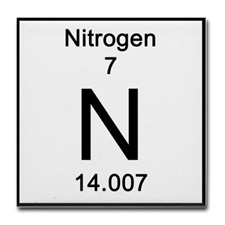
What is the number of protons that the element in this image contain?
a)
14
b)
7
c)
15
d)
18
53.

Gases

a)

don’t have a definite shape and don’t have a definite volume

b)

don’t have a definite volume and have a definite shape

54.

We use this process to change water from a liquid to a solid

a)

freezing

b)

melting

c)

evaporating

55.

The Sun produces ______ and ______ energy

a)

thermal, light

b)

chemical, sound

c)

kinetic, light

56.
An atom with atomic number 6 would have how many protons?
a)
6
b)
12
c)
3
d)
Cannot be determined 
57.
What are the 3 particles that make-up the atom?
a)
Protons, neutrons, and isotopes
b)
Neutrons, isotopes, and electrons
c)
Positives, negatives, and electrons
d)
Protons, neutrons, and electrons
58.
The particles of a gas move ____than the particles of the same substance in the liquid or solid state.
a)
faster
b)
slower
c)
same speed
59.

Heat will always transfer from the ___________ object to the ________ object.

a)

The hottest object to the coolest object.

b)

The coolest object to the hottest object.

c)

The solid object to the liquid object.

d)

The liquid object to the solid object.

60.

Which subatomic particle tells the identity of an element?

a)

Nucleus

b)

Proton

c)

Neutron

61.
As the thermal energy of a substance increases, its particles spread out and the substance expands.
a)
True
b)
False