
 Worksheets
World Geography Fall Final 2020
Total questions: 91
Worksheet time: 48mins
Most of the world's population lives in which climate zone?
Tropical
Arid
Arctic
Temperate
The 5 Themes of Geography are...
Place, Region, Interaction, Movement, Environment
Place, Religion, Interaction, Monuments, Economics
People, Region, Inclusion, Movement, Engineering
People, Religion, Interaction, Monuments, Economics
A "pull factor" is something that...
makes you want to stay in your home country
discourages you from migrating to another country
makes you want to migrate to another country
forces you to relocate to a different country
The number of people living in each unit of area (like a square mile) is called...
Settlement Patterns
Population Density
Demographics
Refugees
The location of something in relationship to something else is called...(ex. the store is west of the school)
Absolute Location
Relative Location
Cardinal Directions
Intermediate Directions
A "push factor" is something that...
makes you want to stay in your home country
forces you leave your home country
attracts you to go to a different country
none of the above
All of these are examples of Human Features of Settlement except?
rivers
Towns
Railroad
borders
"A college student in Dehli, India believes that the education system in America is better than in India. He also believes he will get a higher paying job when he graduates from an American university."
Is the an example of a push or pull factor? Which factor of migration does this represent?
Push/Environmental
Pull/Political
Push/Social
Pull/Economic
Why is the US one of the most ethnically diverse countries in the world?
most immigrants came from the same region of the world
there is no immigration to the US from other countries
Immigrants from all over the world have settled in the US
most immigrants speak English before they move to the US
The wearing away of soil or rock by wind or water over time is called...?
weathering
erosion
deposition
none of the above
The scientific study of populations is called...?
Sociology
Demography
Anthropology
Archeology
What are the 3 types of regions?
Functional, Cultural, and Informal
Political, Physical, Formal
Formal, Functional, Perceptual
Seasonal, Natural, Cyclical
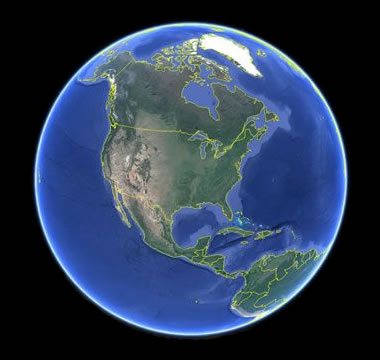
How many continents are there in the world?
6
7
10
1 Giant Continent
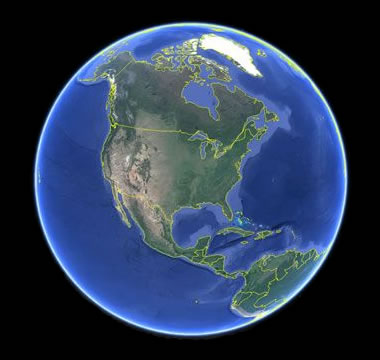
How many oceans are there on the Earth?
4
2
7
5
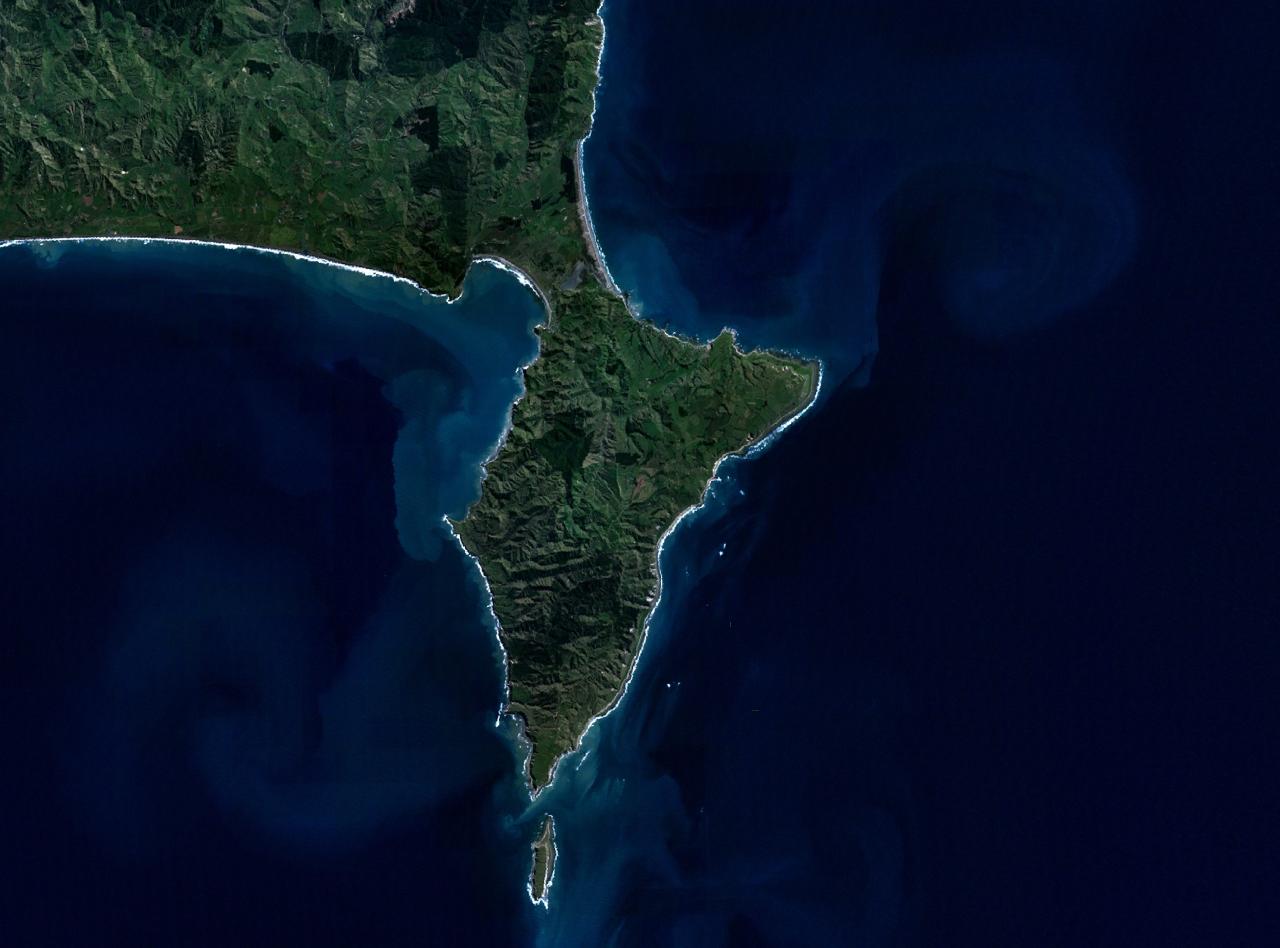
What do you call land surrounded by water on 3 sides?
island
continent
tributary
peninsula
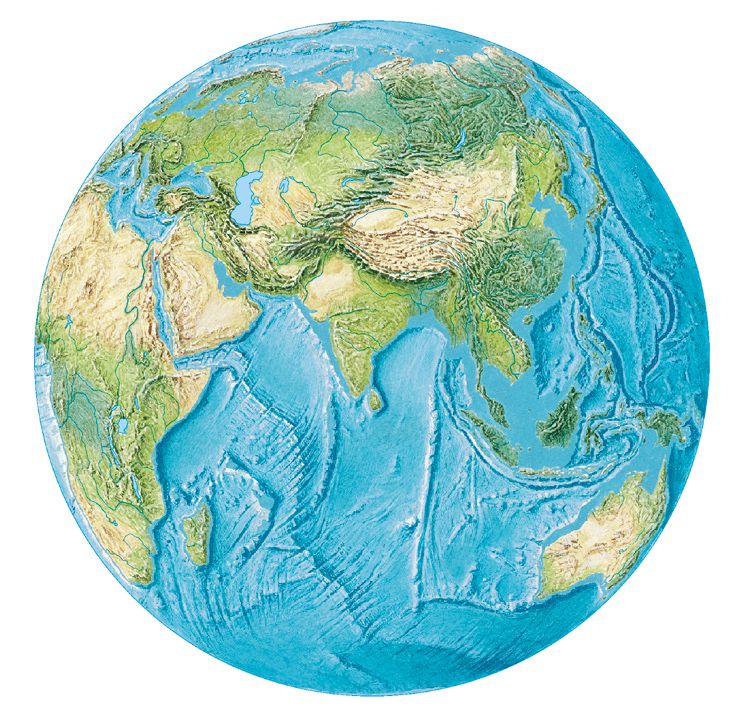
How many hemispheres are there in the world?
4
1
14
100
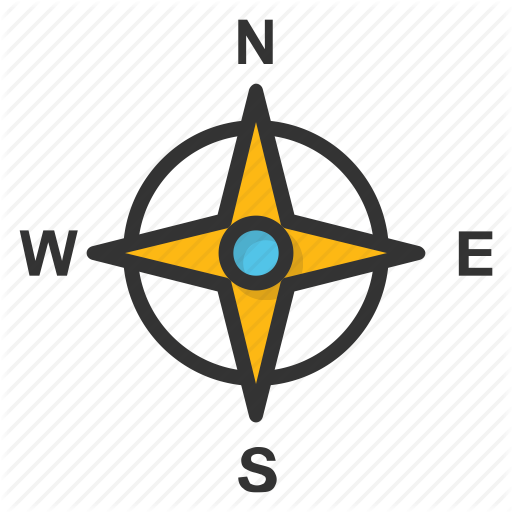
The directions North, South, East, and West are called the
Reverse directions
Intermediate directions
Cardinal directions
Compass directions
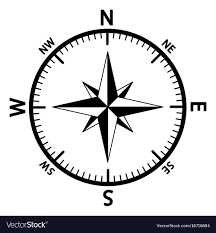
What is this direction finder called?
Briar Rose
Yellow Rose
Compass Rose
Rose Bowl
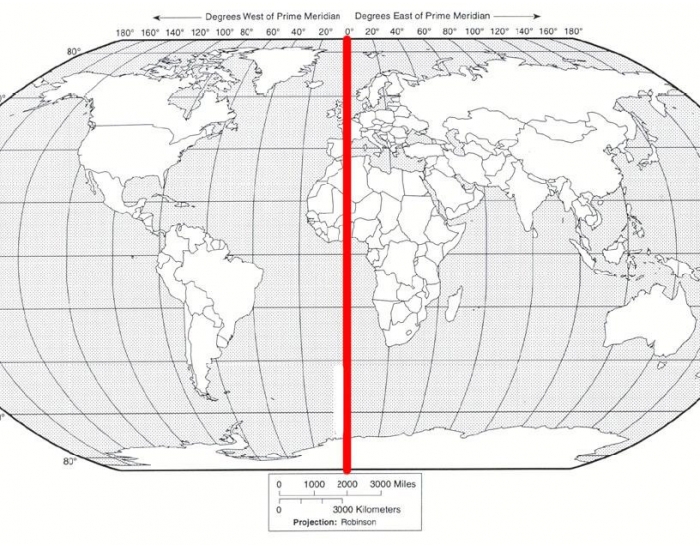
What is the imaginary line that divides the Earth East and West?
Equator
Dividing Line
Prime Meridian
Axis
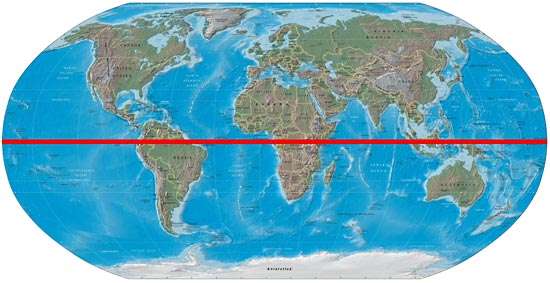
What imaginary line divides the Earth North to South?
Axis
Prime Meridian
Equator
Compass Rose
What 2 oceans border the USA?
Atlantic and Arctic
Arctic and Pacific
Atlantic and Pacific
Atlantic and Southern
What is the largest ocean?
Pacific
Atlantic
Indian
Arctic
Which continent is the largest?
Africa
Asia
Antarctica
Russia
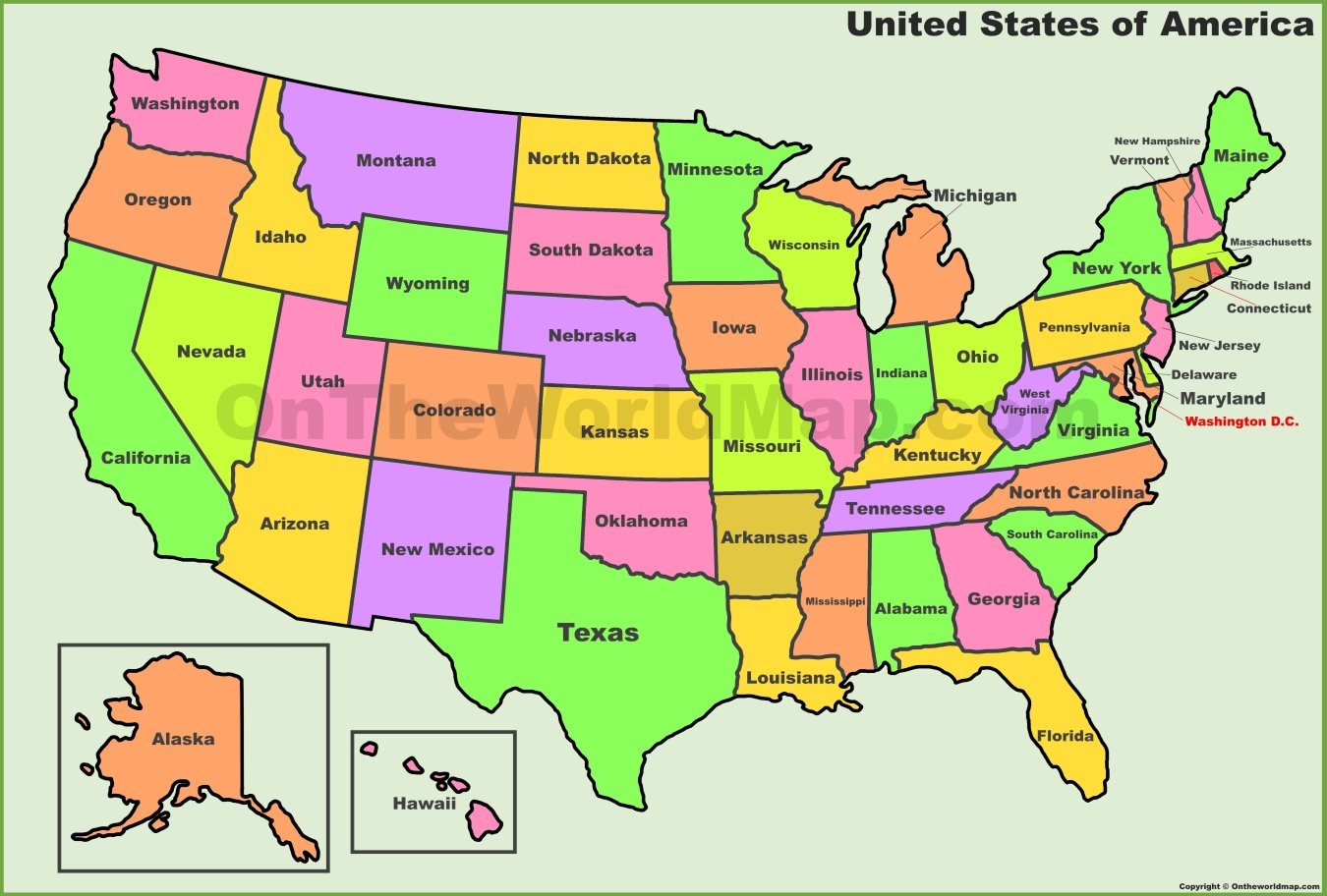
What continent would you find the United States on?
Asia
North America
South America
Africa
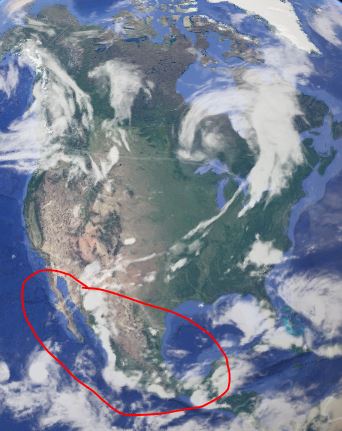
Who is America's neighbor to the South?
America
Canada
England
Mexico


What is the name of the yellow continent?
Australia
North America
The United States
Australia
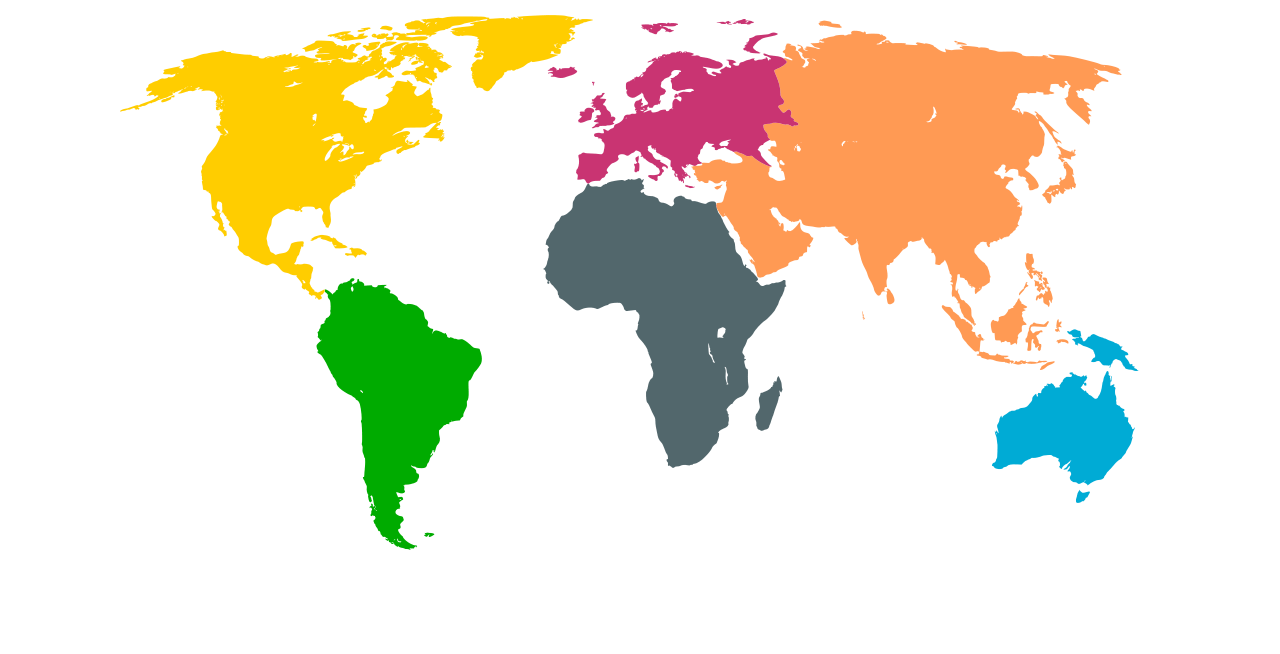
What is the name of the grey continent?
North America
South America
Africa
Asia

What is the name of the green continent?
North America
Brazil
South America
Africa

What is the name of the blue continent?
Africa
Asia
Australia
Orange

Which continent is East of Europe?
Asia
Africa
North America
Australia
Which of the following countries is in North America?
Canada
Chile
Greece
Japan
True or False: Mexico is a country in South America
True
False
dictatorship
government has total control, unlimited power for gov
people have the power, limited power for gov, human rights exist here
a King or Queen rules, unlimited power for gov
Democracy
government has total control, unlimited power for government
people have the power, limited power for gov, human rights exist here
rule by a King or Queen, unlimited power for gov
Monarchy
government has total control, unlimited power for gov
people have the power, limited power for gov, human rights exist here
rule by a King or Queen, unlimited power for gov
The equator is found at
0 degrees North
0 degrees West
10 degrees South
10 degrees East
Canals are useful because
they increase trade, travel and transport of people and goods
they decrease disease
they decrease trade, travel, and transport
they increase human rights
Isthmus
a small strip of LAND with water on two sides
a small strip of WATER with land on two sides
Economics: Free Enterprise (Market Economy)
businesses choose what they make
the government tells businesses what to make
a person makes what their family has always made
Economics: Command:
businesses choose what they make
the government tells businesses what to make
a person makes what their family has always made
Economics: Traditional Economy
businesses choose what they want to make
the government tells businesses what to make
a person makes what their family has always made
GDP per capita
how long a person can expect to live
how much a person can be expected to earn in a year on average
percentage of people who can read
Literacy rate
how long a person can expect to live
how much money a person can expect to make in a year
percentage of people who can read
Religion: Islam
monotheism (believe in one god)
polytheism (believe in many gods)
Religion: Judaism
monotheism (believe in one god)
polytheism (believe in many gods)
The _____________ climate helps the rainforest grow.
tropical
desert
arctic
arid
deforestation
cutting down trees to use the land for something else
saving the trees
deforestation can cause
plants and animals to go extinct
increase in medicines
loss of farming and ranching
In a ___________, you would expect to find common traits such as ways of making a living, traditions, and language.
Cultural Diffusion
Cultural Region
Cultural Traits
Cultural Enhancement


The Mississippi River starts in Minnesota and ends in Louisiana at what body of water?
Hudson Bay
Gulf of Bothnia
Gulf of Mexico
Caribbean Sea

The economic system of communist countries is most closely related to which of the following:
Command
Market
Traditional
Mixed
Something we desire but that is not necessary for survival
Want
Need
Good
Service
Something essential for survival
Want
Need
Good
Service
Physical objects that someone produces
Want
Need
Good
Service
An action or activity that one person performs for another
Want
Need
Good
Service
The economic problem is that
resources are limited and wants are limited.
resources are unlimited and wants are limited.
resources are limited and wants are unlimited.
resources are unlimited and wants are unlimited.
What type of economic activity is a fisherman?
Agricultural
Manufacturing
Service
What is a group of places that are close to one another and that share some characteristics?
Hemisphere
Region
Continent
Environment
What is a natural feature found on land?
Environment
Region
Landform
Absolute Location
What is the average weather in an area over a long period of time known as?
Environment
Landform
Climate
Geography
What is each half of Earth?
Hemisphere
Continent
Equator
Prime Meridian
What is the measurement of how much above or below sea level a place is?
Elevation
Erosion
Landform
Continent
What is the long, narrow band of volcanoes surrounding the Pacific Ocean?
Ring of Fire
Landform
Continent
Tectonic Plates
Every place has unique physical characteristics, some examples are:
Dams, bridges and highways
Rivers, deserts, mountains
languages, buildings, people
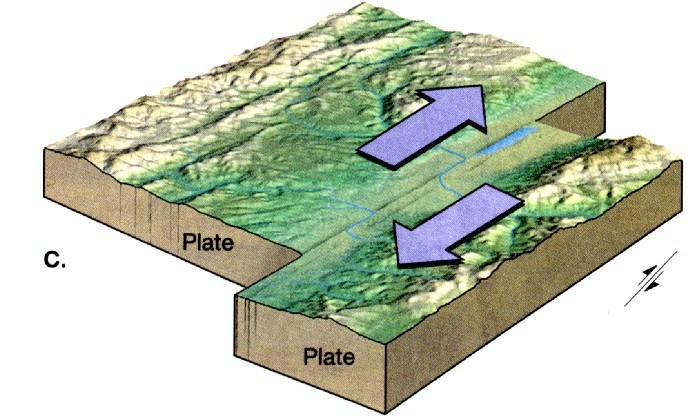


The seasons are caused by___________?
The tilt of Earth on its axis, and the yearly revolution around the sun
Tropical Storms
Changes in the moon
The Earth's rotation on its axis

Natural features of the Earth's Surface
Climates
physical features
Deserts
Latitude Lines



