
 Worksheets
Unit 2 Chemistry Review
Total questions: 28
Worksheet time: 1hrs 14mins
The Law of Conservation of Mass says that matter can neither be __________ or __________.
created; destroyed
recycled; renewed
subtracted; added
joined; separated

Sodium and chlorine combine to form sodium chloride, or table salt. Sodium and chlorine are:
Producers
Products
Reactionaries
Reactants
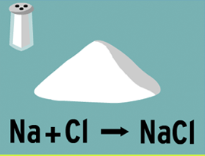
When sodium and chlorine combine to form sodium chloride, sodium chloride is the:
Originator
Reactant
Product
Produce
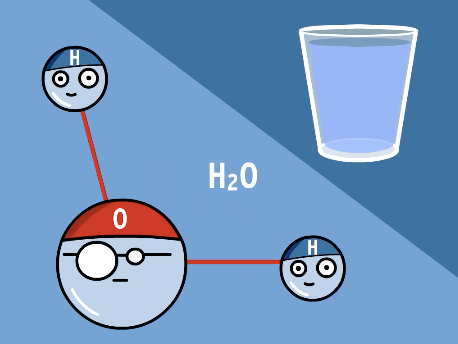
4 grams of hydrogen and 32 grams of oxygen will combine to form:
36 grams of water
28 grams of hydroxide
32 grams of oxygen
36 grams of deuterium
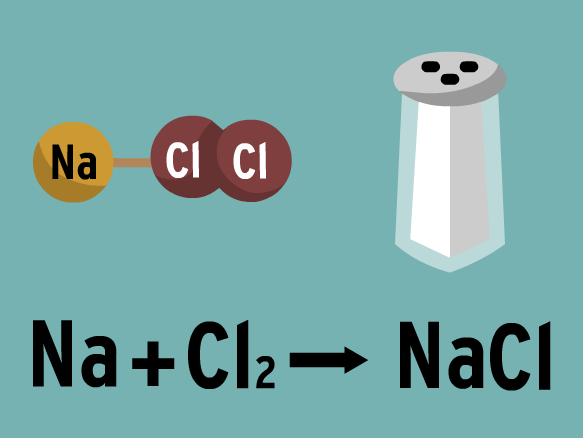
In a chemical reaction, 4 grams of sodium must combine with how many grams of chlorine to produce 10 grams of table salt?
4 grams
6 grams
8 grams
10 grams
In an endothermic reaction, energy is _________.
absorbed
released

_____ reactions usually feel hot!
endothermic
exothermic
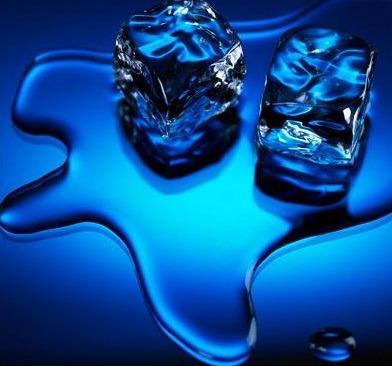
____ reactions usually feel cold.
endothermic
exothermic
During an exothermic reaction, heat is _________ and chemical bonds __________.
released, formed
absorbed, broken
released, broken
absorbed, formed
During an endothermic reaction, heat is ________ and chemical bonds _______.
released, formed
absorbed, broken
released, broken
absorbed, formed
Endo means in or _______.
absorbed
released
Exo means out or ________.
absorbed
released

monomer
monimer
polymer
polimer

monomer
monimer
polymer
polimer
Main source of raw material for producing synthetic fibre is :
CNG
LPG
Refined oil.
Petroleum
What is a natural resource?
a resource that occurs naturally
a resource that is man-made
You can make synthetic products from these things...
Plant based resources
Animal based resources
Petroleum based resources
All of the above
What is a synthetic resource?
a resource made by humans from natural materials
naturals resources such as trees and water
What is the difference between natural and synthetic resources?
Natural are man-made, synthetic are found in nature
Natural occur in nature, synthetic are man-made
There is no difference
We don't use natural resources but we use synthetic resources
Which word is a synonym for synthetic?
real
artificial
natural
true
True or False: Synthetic materials are never made from natural resources
True
False
True or False. Natural resources must come from either plants, animals, or the earth.
True
False
Synthetic materials DO impact society.
True
False

