
NEW
Font size
S
M
L
XL
 Worksheets
Water
Total questions: 21
Worksheet time: 18mins
Name
Class
Date
1.
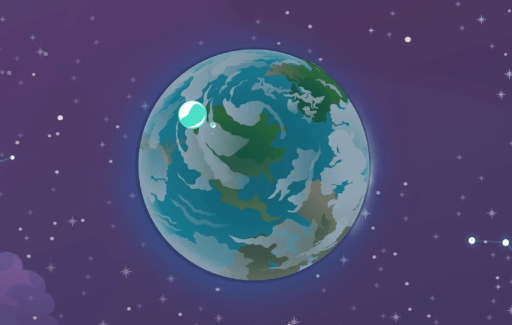
Of the three blue dots in the image, the biggest one represents _____
a)
all of the water on our planet
b)
all of the salt water on our planet
c)
all of the liquid fresh water on our planet
d)
all of the surface freshwater that is accessible
2.
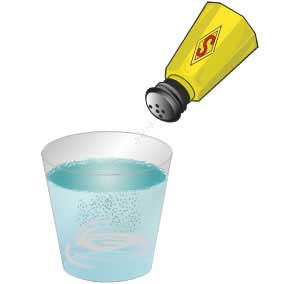
Water is a universal solvent
a)
True
b)
False
3.

Letter A is?
a)
evaporation
b)
transpiration
c)
condensation
d)
accumulation
4.
Letter B is?
a)
evaporation
b)
transpiration
c)
condensation
d)
accumulation
5.
Letter C is?
a)
precipitation
b)
transpiration
c)
condensation
d)
accumulation
6.
Letter D is?
a)
precipitation
b)
transpiration
c)
condensation
d)
run off
7.
Letter E is?
a)
precipitation
b)
accumulation
c)
condensation
d)
run off
8.
Letter F is?
a)
precipitation
b)
accumulation
c)
condensation
d)
run off
9.
A water molecule looks like _____.
a)
smiley face
b)
mickey mouse
c)
a long chain of atoms
d)
grumpy cat
10.
Water is a what type of resource?
a)
renewable resource
b)
non-renewable resource
c)
continuous resource
11.
Why is fresh water a limited resource?
a)
It isn't because it is a renewable resource
b)
97% of water is in the oceans and too salty to drink.
c)
Only 2.5% is drinkable and is stored in icecaps, rivers, and lakes.
12.
Where most freshwater is stored is in _________.
a)
Groundwater
b)
pH
c)
Glaciers
d)
Sea water
13.
Where 97% of Earth's water is stored?
a)
Glaciers
b)
pH
c)
Groundwater
d)
Sea water
14.
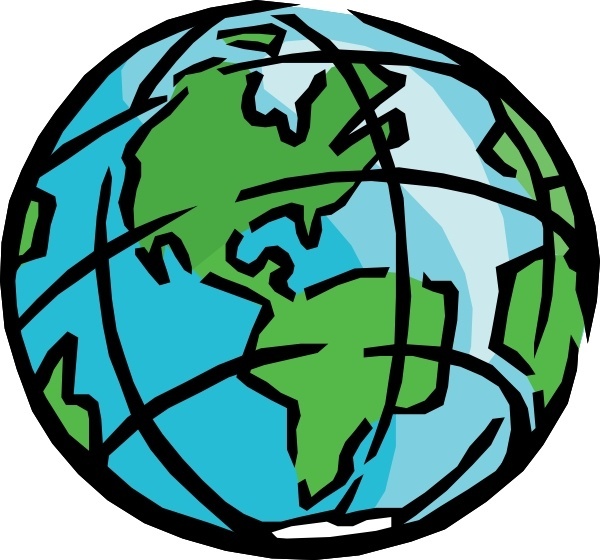
What percent of Earth is covered by water and ice?
a)
85%
b)
90%
c)
75%
d)
97%
15.

Snow, sleet, hail, and rain are all examples of ________________.
a)
evaporation
b)
condensation
c)
accumulation
d)
precipitation
16.

The water cycle has...
a)
a beginning and an end.
b)
no beginning and no end.
c)
only a beginning.
d)
only an end.
17.
What is condensation?
a)
the change of water from a gas to a liquid.
b)
the change of water from a liquid to a gas.
c)
the change of water from a solid to a gas.
d)
the change of water from gas to a solid.
18.

What are the three states of water found on Earth?
a)
solid, liquid & gas
b)
oceans, lakes & streams
c)
evaporation, transpiration
d)
rain, sleet & hail
19.

When water _________, dew and clouds can form.
a)
Melts
b)
Evaporates
c)
Condenses
d)
Precipitates
20.

Evaporation occurs when water changes into ________.
a)
transpiration
b)
snow
c)
solid
d)
vapor
21.

Which of the following is the reason why ice can float?
a)
The air bubbles in the frozen water make it rise.
b)
The water molecules in ice are closer together and more dense than liquid water.
c)
When water molecules expand, they take up more space and are less dense.
d)
All frozen things will float in liquid water.
Reset

