
 Worksheets
SOL Biology/Day 3
Total questions: 28
Worksheet time: 19mins
Homeostasis
allows for a wildly fluctuating internal environment
is impossible in vertebrates
is the maintenance of a relatively stable internal environment and often incorporates a form of feedback regulation
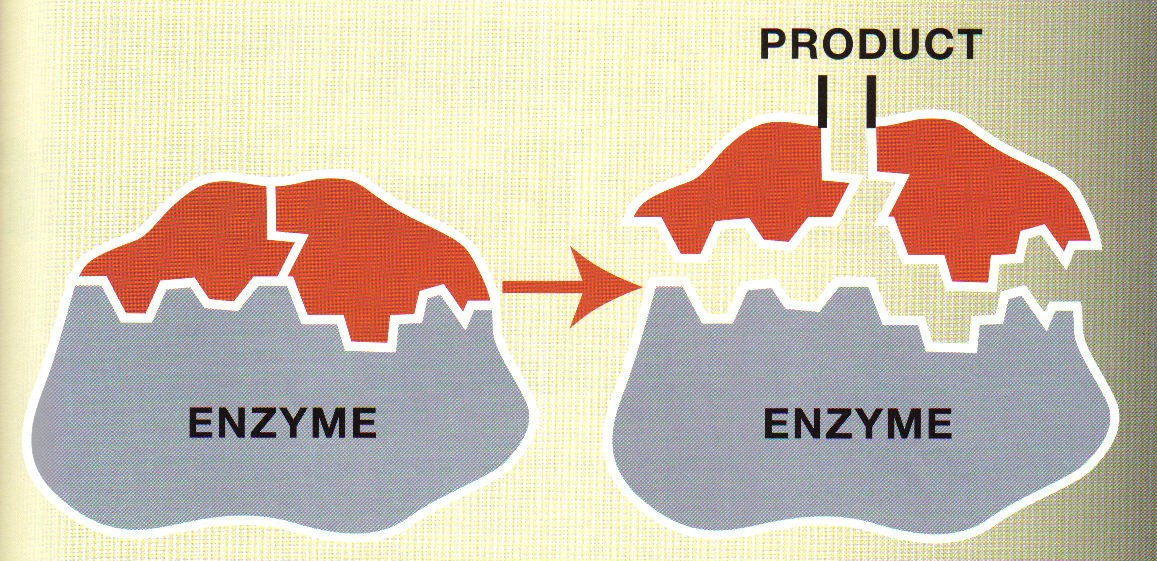
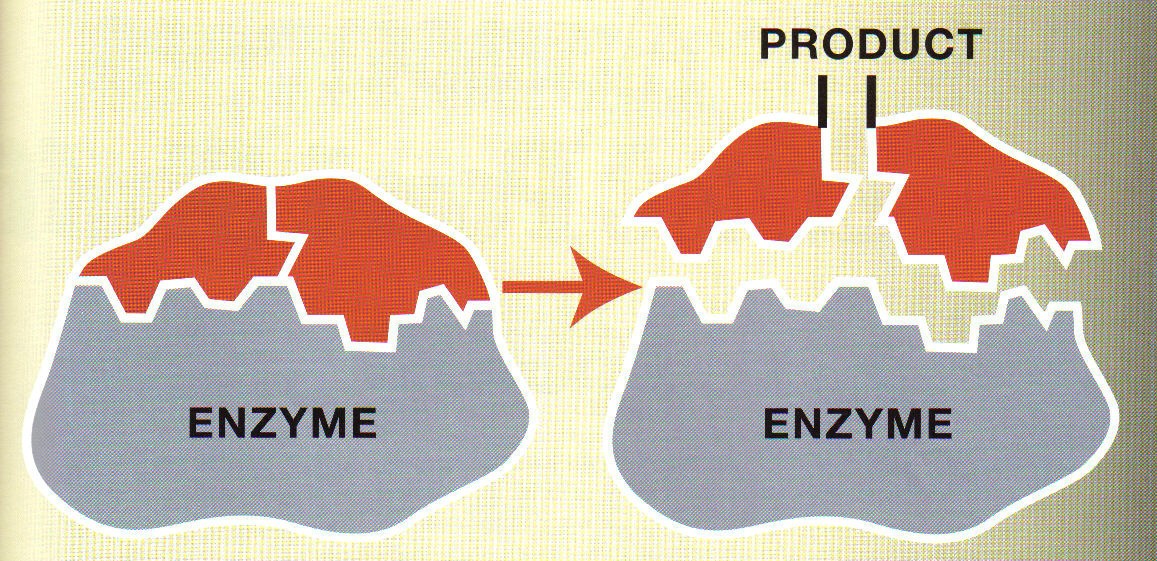
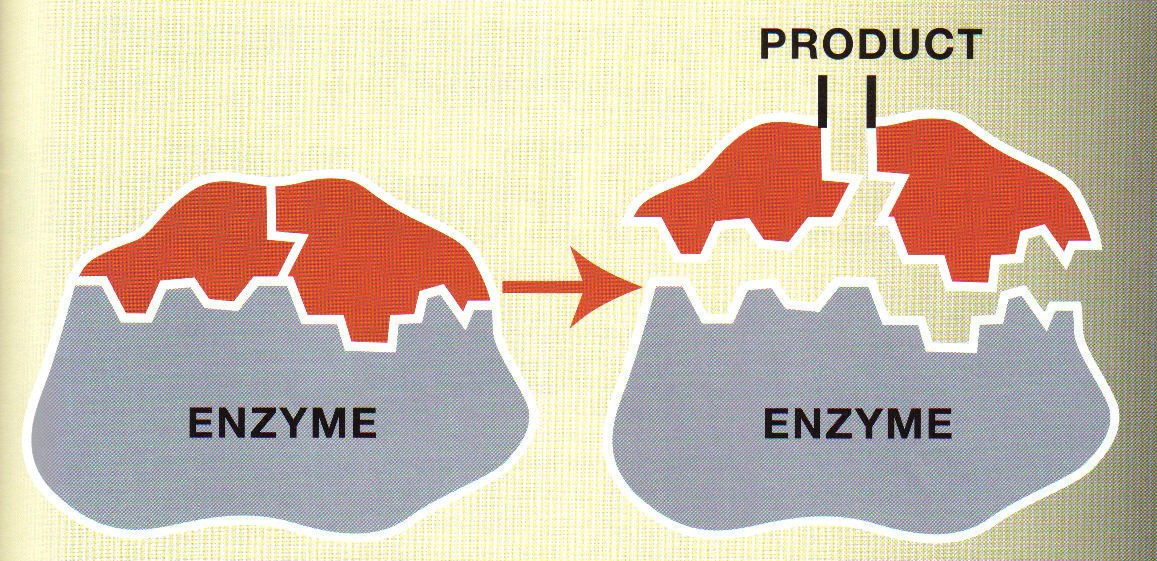
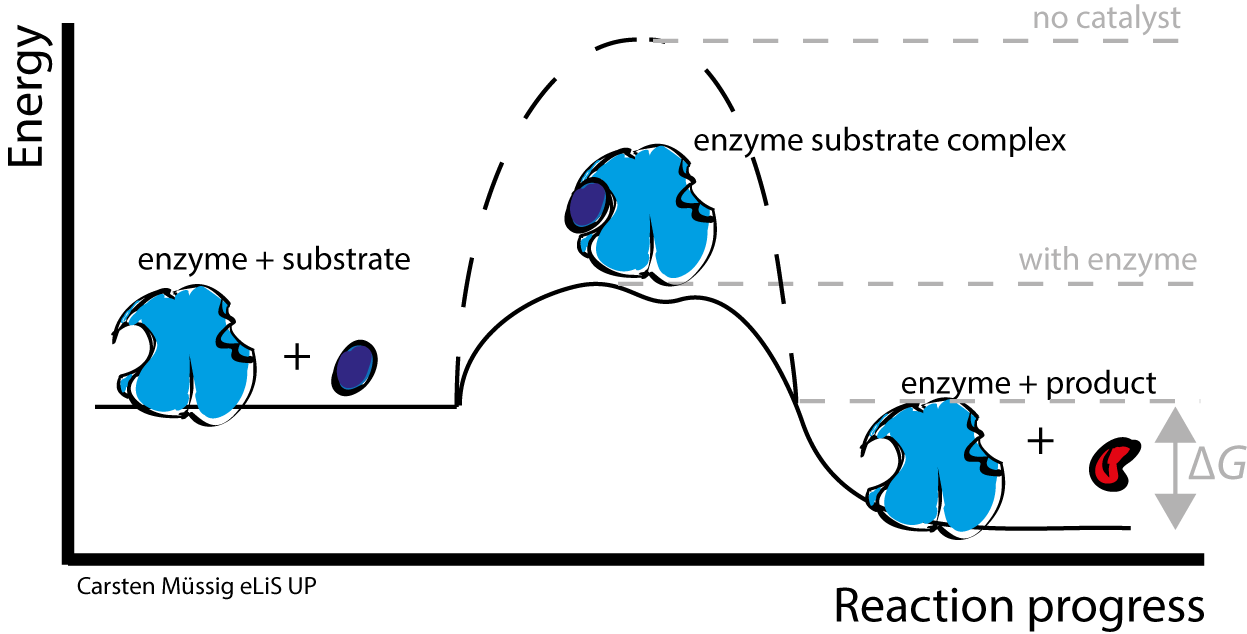
What is the purpose of an enzyme?
control how many reactions occur
raise activation energy
give permission for the reaction
speed up chemical reactions


Which instrument is credited for helping scientists develop cell theory?


Who discovered and named cells while looking at cork?
Captain Hook
Robert Hooke
Matthais Schleiden
Rudolf Virchow
This early cell theory scientist looked in a microscope and discovered "animalcules" in the gunk from his teeth and pond water.
Schleiden
Leeowenhoek
Hooke
Virchow
Schwann
Who discovered that all cells come from other living cells and had research that lead to the last major principle of cell theory?
Matthias Schleiden
Theodore Schwann
Robert Hooke
Rudolf Virchow
Who noted that all animals are made of cells and helped write the first two parts of cell theory?
Rudolf Virchow
Anton van Leeuwenhoek
Theodor Schwann
Robert Hooke
What was Schleiden convinced of?
All plants are made of cells
All animals are made of cells
All cells are prokaryotic
None of the above
The cell theory was not complete until Rudolph Virchow discovered that...
Cells are alive.
There are two types of cells (prokaryotic/eukaryotic)
All cells come from preexisting cells.
Cells are the basic building blocks of life.
The idea that all living things are composed of cells, the cell is the basic unit of structure and function, and all cells come from cells is known as the
Theory of relativity
Agenda Theory
Cell Theory
Theory of naturalization

What is the name of this organelle?
Mentos
Mitochondrion
Chlorophyll
Chloroplast
Plant and animal cells are examples of
prokaryotic cells
eukaryotic cells
Which of the following is only found in EUKARYOTIC cells?
nucleus
DNA
cell membrane
ribosomes
PROKARYOTIC cells do NOT have
membrane bound organelles
cell membrane
DNA
ribosomes

Which type of cell developed first?
Prokaryotic Cells
Eukaryotic Cells
Bacteria is an example of a(n)
prokaryotic cell.
eukaryotic cell.
Organelles are found in
prokaryotic cells.
eukaryotic cells.
both

