
 Worksheets
Mendelian Genetics
Total questions: 29
Worksheet time: 45mins

Different versions of the same gene are called:
Alleles
Locus
Nucleotide
Genes

A ______________ allele is usually a functional protein that completely masks other allele.
dominant
recessive
incomplete dominant
co-dominant

A ______________ allele is often a non-functional protein that is masked by the other allele.
dominant
recessive
incomplete dominant
co-dominant
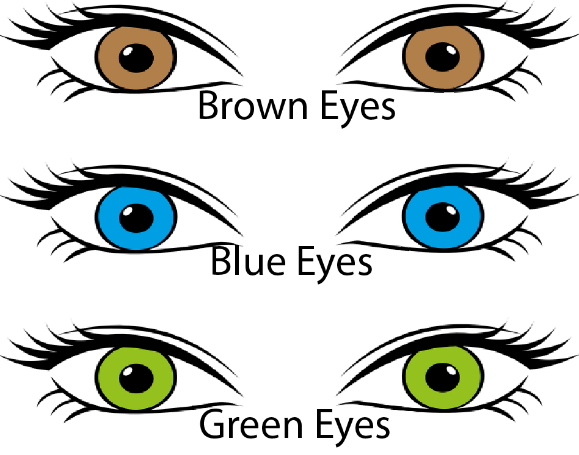
A feature regulated by a set of genes (allele) passed on
from parents to offspring. Also called inherited traits.
Heterozygous
Mendel
Chromosome
Traits
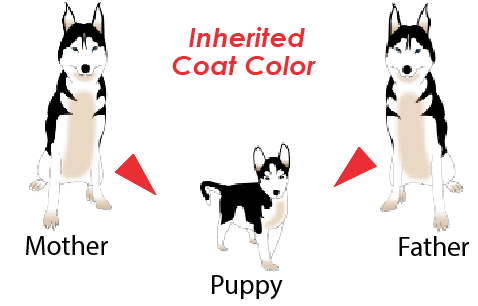
Passing on traits from parents to offspring
Chromosome
Genotype
Heredity
Allele
The study of heredity
Genetics
Genome
Allele
Punnett Square
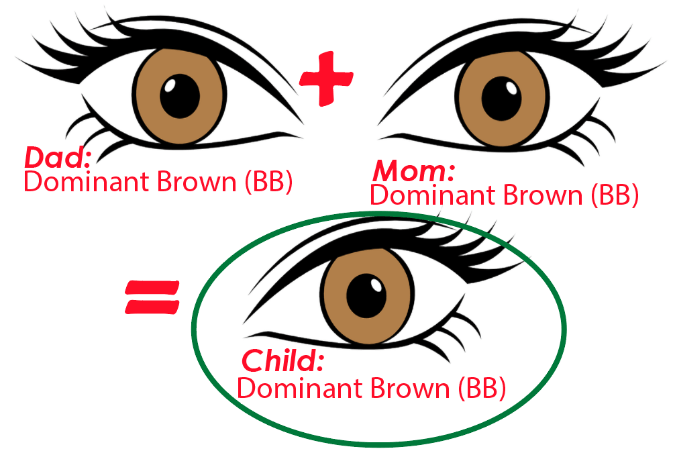
A genotype where only dominant alleles were passed on
from both parents for one trait
BB AA TT LL
Homozygous Recessive
Homozygous Dominant
Dihybrid
Heredity
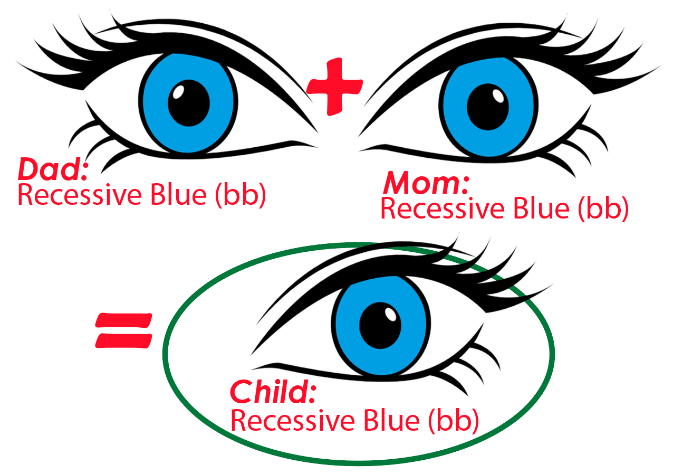
A genotype where only recessive alleles
were passed on from both parents for one trait
bb aa tt ll
Heredity
Homozygous Dominant
Homozygous Recessive
Phenotype
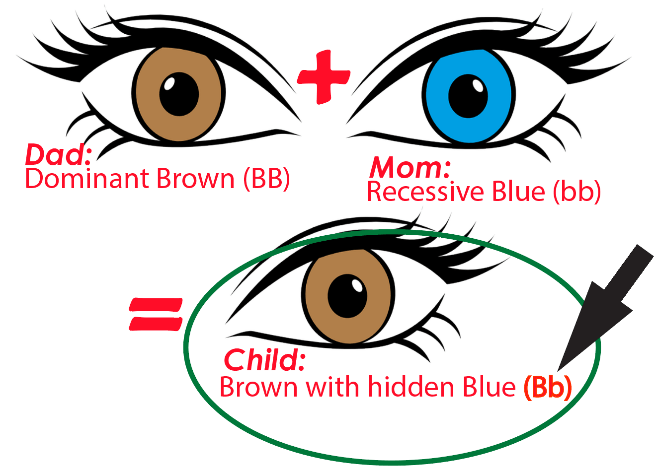
A genotype where one dominant and one recessive allele was passed on from both parents for one trait.
Bb Aa Tt Ll
Allele
Homozygous Dominant
Homozygous Recessive
Heterozygous
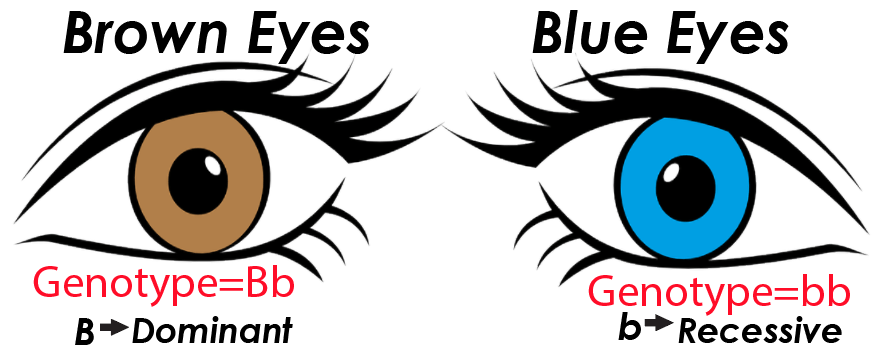
The observable traits dictated by the genotype
Phenotype
Genotype
Homozygous Recessive
Homozygous Dominant
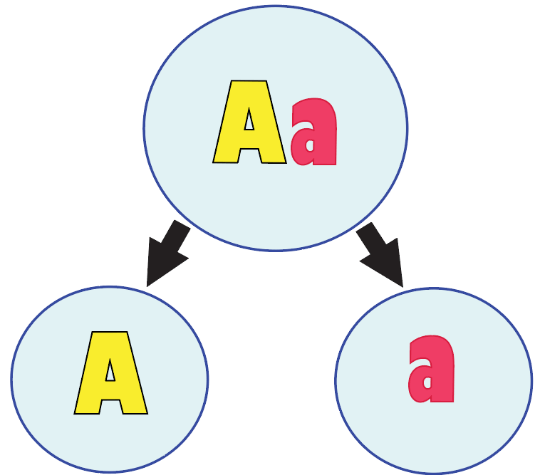
During meiosis and gamete formation, homologous (paired up) alleles split up
Phenotype
Law of Segregation
Genotype
Dihybrid Cross
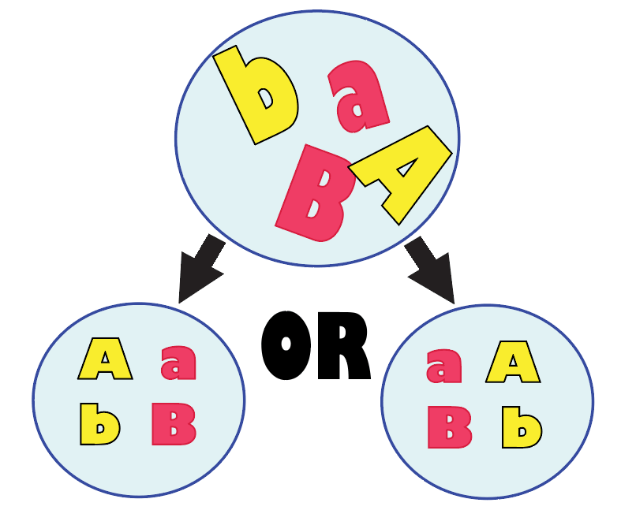
During meiosis, the homologous pairs of chromosomes and the matching alleles are lined up independently.
Offspring are a mix of maternal genes and paternal genes.
This increases genetic variation.
Homozygous Dominant
Law of Segregation
Crossing Over
Independent Assortment
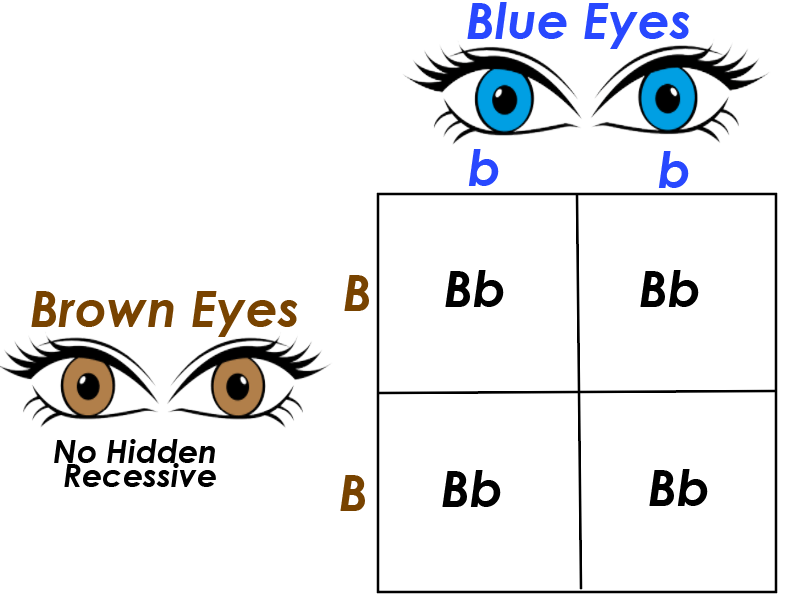
The genetic cross between two parents for one trait:
Example BB x bb
B = dominant for brown
b = recessive for blue
Incomplete Dominance
Dihybrid Cross
Monohybrid Cross
Iron Cross
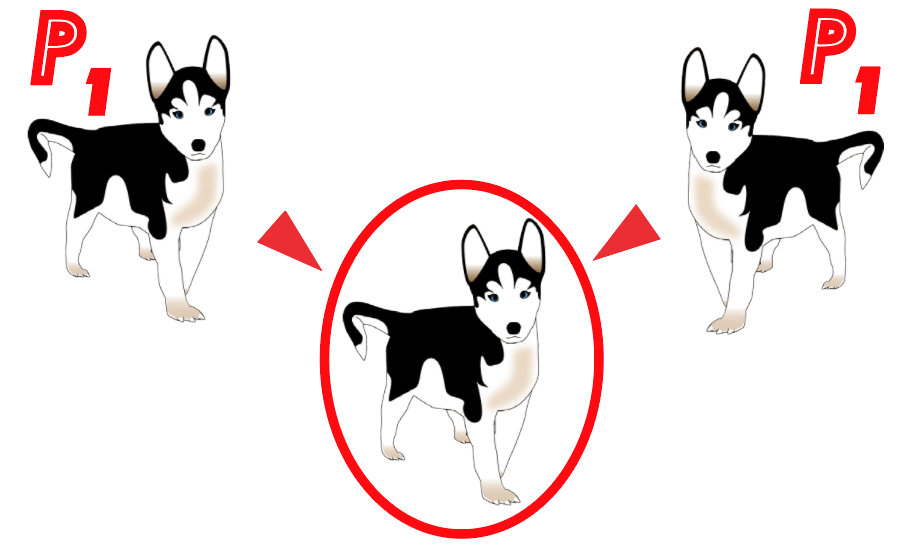
Referring to the original parents.
P1
F1
F2
Homozygous
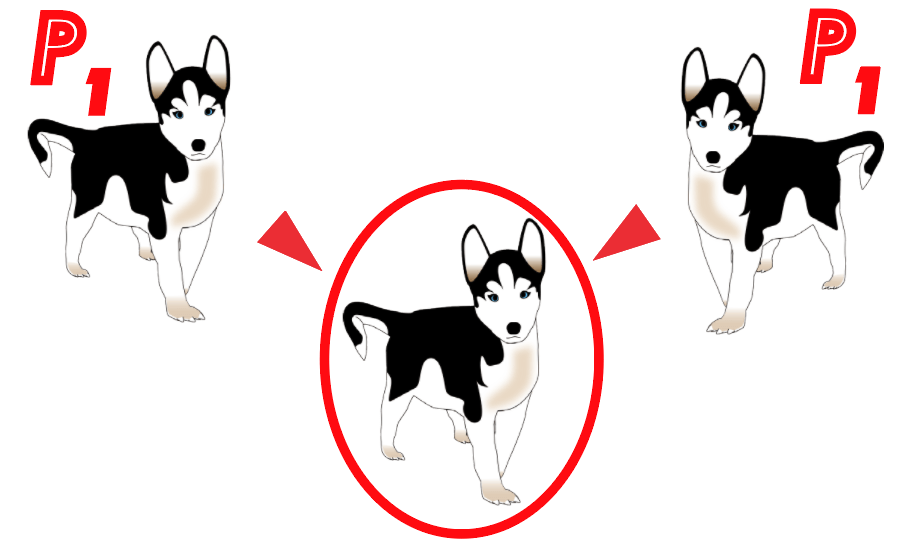
First Filial (child) Generation: the offspring of P1
P1
F2
F1
Heterozygous
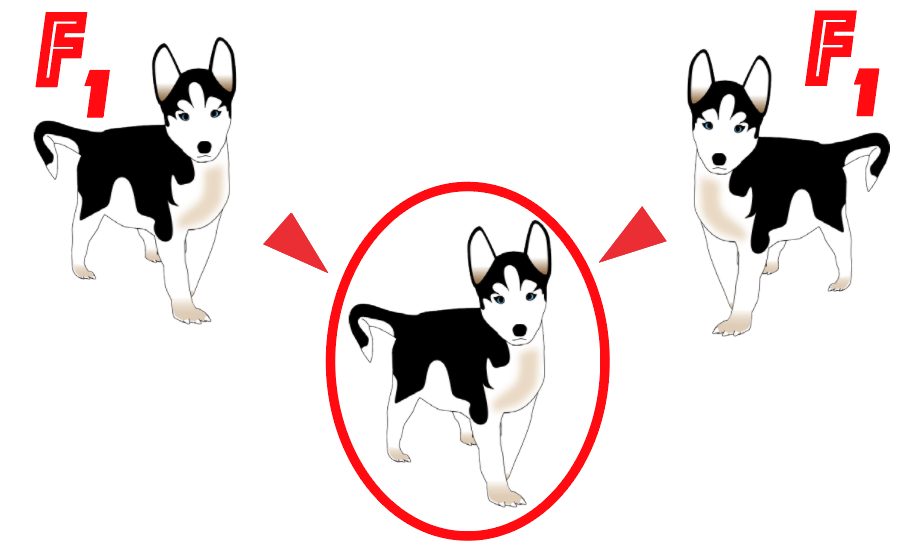
Second Filial Generation: the offspring of F1
P1
F1
F2
Homozygous Recessive
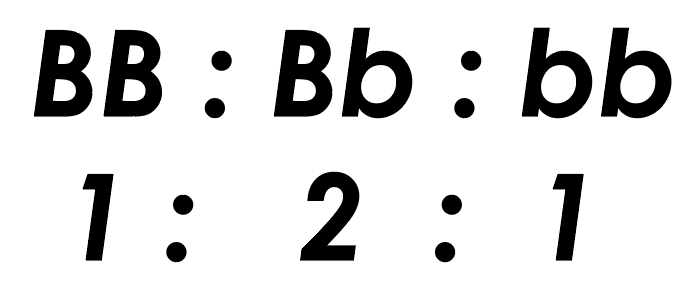
The ratio of homozygous dominant to heterozygous
to homozygous recessive offspring
Genotypic Ratio
Phenotypic Ratio
Monohybrid Cross
Homologous Pair

The ratio of phenotypes in a Punnett Square
Phenotypic Ratio
Genotypic Ratio
Dihybrid Cross
Independent Assortment
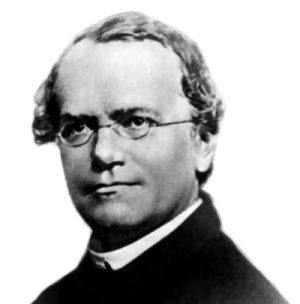
The Italian monk/scientist who first discovered
the principles of genetics
Watson and Crick
Linnaeus
Darwin
Mendel

What is the percentage of homozygous recessive offspring resulting from the cross between two heterozygous (carrier) parents.

Green peas are dominant (G) to yellow peas (g). What is the genotype for a hetereozygous offspring?
Gg
gg
GG

Which of the following is a heterozygous dominant genotype?
GG
gg
GGG
Gg


Dominant alleles are represented by a(n)
phenotype
lower case letter
upper case letter
punnett square


What percentage of the offspring will be heterozygous ?

A trait that is masked unless 2 copies are present is ________________________
recessive
dominant
weak
hidden

