
Font size
 Worksheets
Science Q2 Review - Unit C, Ch 1-2
Total questions: 81
Worksheet time: 1hrs 4mins


Which is an example of a decomposer?
a hawk
a mouse
a flower
a mushroom
A carnivore that feeds on the bodies of dead organisms
omnivore
prey
producer
scavenger
A process by which plants use the sun's energy to make food
condensation
organism
carnivore
photosynthesis
A non living thing is
biotic
abiotic
An arrangement of interrelated food chains illustrating the flow of energy between interdependent organisms
food chain
food web
omnivore
consumer
Movement of energy within an ecosystem based on what organisms eat or the food they make.
food chain
food web
producer
prey
An organism that is killed and eaten by another organism is called ____, whereas an organism kills and eats another organism is a ____.
predator, decomposer
herbivore, prey
decomposer, predator
prey, predator
A living part of an ecosystem.
biotic factor
abiotic factor
a consumer gets energy by
eating other organisms
photosynthesis
absorbing energy from the sun
hibernating
Most producers get energy by
using photosynthesis
eating other organisms
hibernating
breaking down wastes
A predator...
is often a herbivore
gets energy through photosynthesis
hunts other animals
is always an omnivore
prey...
hunts other animals
is always a carnivore
is always a herbivore
gets eaten by predators
Which of the following would be an example of Mutualism?
A large Oak tree has moss growing on its base
A horsefly drinking blood from a horse's skin
A bird eating leeches attached to the gums of a crocodile
Which of the following would be a parasite-host relationship?
A large Oak tree has moss growing on its base
A bee gathers pollen and nectar from flowers
A crocodile allows a bird to eat leeches attached to its gums
A horsefly makes a tiny opening in a horse's skin an drinks its blood
Which of the following would be considered Commensalism?
A large Oak tree has moss growing on its base
A bee gathers pollen and nectar from a flower
A tick that is biting a dog
Select the 3 forms of Symbiosis
Parasitism
Predation
Mutualism
Commensalism
Photosynthesis

Identify the Producers? (There are 2)
Cactus
Hare
Snake
Grass
Lizard

Which 2 are decomposers?
Bear
Mushroom
Flower
Bacteria
Grass

Identify 3 Abiotic Factors in this picture.
Trees
Water
Rocks
Grass
Sunlight

Identify 3 Biotic Factors in this picture.
Trees
Air
Grass
Water
Insects

Which two organisms eat only consumers?
krill and penguin
krill and leopard seal
baleen whale and fish
leopard seal and penguin


What does symbiosis mean?
Living separately, no relationship between 2 species
Living together, close relationship between 2 species
Living separately, long distance relationship between 2 species
When one species kills and eats another
A relationship between two organisms in which one organism benefits, and the other is neither benefited or harmed
Mutualism
Competition
Parasitsm
Commensalism
A relationship between two organisms in which both organisms benefit
Mutualism
Competition
Parasitsm
Commensalism
A relationship between 2 organisms in which one organism benefits and the other is harmed
commensalism
parasitism
mutualism
predation

Barnacles create home sites by attaching themselves to whales. This neither harms nor benefits the whales. The barnacles eat the plankton that the whale swims past in the ocean. What kind of relationship is this?
Mutualism
Parasitism
Commensalism

Fungi form lichens (a small plant) by living in a close relationship with algae. The fungus provides a protective home for the algae, and gathers nutrients from rainwater. The algae gathers energy from the sun using photosynthesis. Both organisms share nutrients with each other.
commensalism
mutualism
parasitism
predation

Gall Insects lays their eggs in the leaves or branches of Oak trees. Oak trees provide shelter and food to the insect larvae.
commensalism
mutualism
parasitism
predation

Honeyguide birds find a bee hive, then chatter loudly to attract the Honey badger. They fly toward the hive making sure the badger is following. Upon arrival at the bee hive, the badger tears open the hive and feasts on the honey. Then the Honeyguide bird feeds on the remaining wax and larvae.
commensalism
mutualism
parasitism
predation

Hookworms can enter the body of animals or even humans. The hookworm attaches to the lining of the intestinal wall and feeds on blood. Its eggs are ejected into the digestive tract and the larvae (young hookworms) that hatch live off of the host’s blood. The host can suffer from blood loss, anemia and iron deficiency.
commensalism
mutualism
parasitism
predation

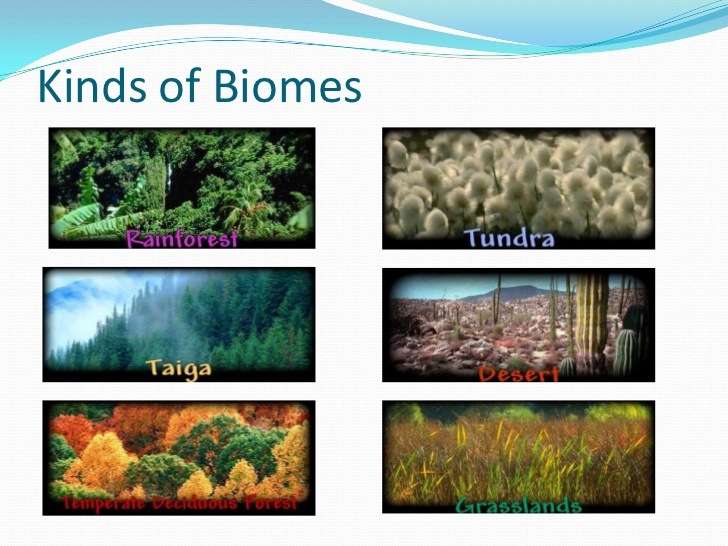
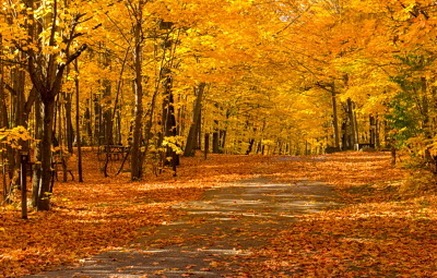
Which biome has broad-leaved trees (which lose their leaves)?
Deciduous Forest
Rainforest
Grasslands
Taiga
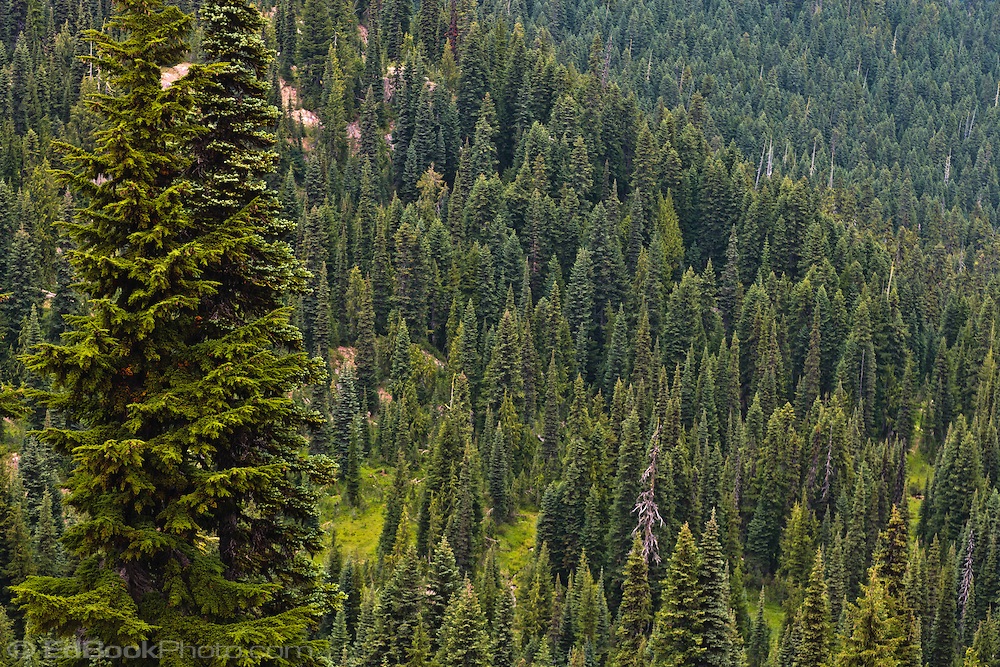
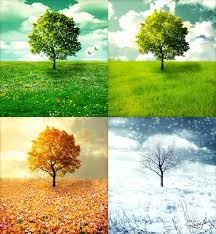
Which biome has 4 seasons?
Taiga
Tundra
Grasslands
Deciduous Forest
The following animals are common to which land biome? (moose, elk, lynx, red deer, bobcat, mountain goat, grizzly bear, and gray wolf)
Temperate Forest
Tundra
Deciduous Forest
Taiga
The following animals are common to which land biome? (zebra, ostrich, lion, giraffe, bison, elephant, cheetah, hyena, hippo, rhino, prairie dog, and ostrich)
Desert
Grassland
Tundra
Tropical Rain Forest
The following animals are common to which land biome? (white-tailed deer, black bear, turkey, chipmunk, skunk, raccoon, groundhog, and squirrel)
Grassland
Tundra
Deciduous Forest
Coniferous Forest

10) Evaporation changes a ______________________.
A) gas to a liquid
B) liquid to a solid
C) liquid to a gas
D) solid to a gas
13) Precipitation is ____________________________.
A) water that falls to Earth in different forms
B) how a plant makes food from sunlight
C) water in the form of solid, liquid, or gas
D) how a plant emits gasses into the air

What is providing the energy for the cycle?
A) sun
B) rain
C) gravity
D) evaporation
What stage of the water cycle occurs when water falls back to Earth?
condensation
precipitation
evaporation
transpiration
Which two processes increase the amount of water vapor in the atmosphere as a result of heat from the sun?
surface runoff and transpiration
condensation and precipitation
evaporation and condensation
transpiration and evaporation



