
 Worksheets
LCoM and Intro to Genetics CA
Total questions: 82
Worksheet time: 27mins
How many nitrogen atoms are present in the compound
KNO3
0
1
3
How many sulfer atoms are there in the compound
H2SO4
4
2
1
7
How many H2O molecules are present?
How many Hydrogen atoms are present?
Physical or chemical change: Folding paper
Physical
Chemical
Identify the Product (s) 2H2O2 -> 2 H2O + O2
2H2O2
2H2O and O2

Which section represents the reactants?
A
B
C
Based on the Law of Conservation of Matter, describe the relationship between the mass of the reactants and the mass of the products.
The mass of the products is always greater than the mass of the reactants.
The mass of the reactants is less than the mass of the products.
The mass of the reactants equals the mass of the products.
The mass of the reactants is greater than the mass of the products.
What is the Law of Conservation of matter?
Matter is created in a chemical reaction
Matter is created in a physical change
New chemicals formed from a chemical reaction have a larger overall matter than the original reactants
Matter is never created or destroyed

Why does this picture demonstrate the Law of Conservation of Matter?
the number of atoms of each element are the same on both sides
they start out separate and end up combined
the same elements are used
it doesn't demonstrate the Law of Conservation of Matter

Which picture below would correctly demonstrate the Law of Conservation of Matter if this picture is the reactants?


Select all that are products of Photosynthesis.
Water
Carbon Dioxide
Oxygen
Sunlight (Light Energy)
Glucose (Sugar/food)
Exit: Carbon dioxide
Exit: Glucose
Exit: Oxygen
Exit: Water vapor

Which of the following is the correct equation for PHOTOSYNTHESIS?
light + carbon dioxide + water --> glucose + oxygen
carbon dioxide + sugar + water --> oxygen + light
oxygen + light + water --> carbon dioxide + sugar
carbon dioxide + oxygen + water --> Light+ Sugar
What two things are the product (end result) of photosynthesis?
chloroplast
glucose
oxygen
carbon dioxide
What is the cell process called that produces identical cells?
Mitosis
Meiosis
Photosynthesis
Cellular Respiration
Which results in offspring that are genetically unique and display a combination of traits from each parent?
Sexual
Asexual
Neither
Both
A bee flies from one apple blossom to another and transfers pollen as it goes. Which type results from pollination?
Sexual
Asexual
Neither
Both
Which type of reproduction results in offspring that are identical to the parent?
Sexual
Asexual
Neither
Both
Which type of reproduction tends to be a longer process?
Sexual
Asexual
They occur at the same rate
Both are slow processes

Sexual, Asexual, or Both?
Sexual
Asexual
Both
Neither
What is the cell process called that produces sex cells?
Mitosis
Meiosis
Photosynthesis
Cellular Respiration

What type of asexual reproduction is it?
vegetative propagation
sporulation
budding
binary fission

What type of asexual reproduction is it?
vegetative propagation
sporulation
budding
binary fission

What type of asexual reproduction is it?
budding
regeneration
sporulation
binary fission

What type of asexual reproduction is it?
budding
regeneration
sporulation
binary fission

What type of asexual reproduction is it?
vegetative propagation
sporulation
budding
binary fission

What type of asexual reproduction is it?
budding
regeneration
sporulation
binary fission
How many parents are required for asexual reproduction?
none
1
2
4
What is the cell process called that produces identical cells?
Mitosis
Meiosis
Photosynthesis
Cellular Respiration
Which results in offspring that are genetically unique and display a combination of traits from each parent?
Sexual
Asexual
Neither
Both
A bee flies from one apple blossom to another and transfers pollen as it goes. Which type results from pollination?
Sexual
Asexual
Neither
Both
Which type of reproduction results in offspring that are identical to the parent?
Sexual
Asexual
Neither
Both
Which type of reproduction tends to be a longer process?
Sexual
Asexual
They occur at the same rate
Both are slow processes
Sexual, Asexual, or Both?
Sexual
Asexual
Both
Neither
What is the cell process called that produces sex cells?
Mitosis
Meiosis
Photosynthesis
Cellular Respiration
What type of asexual reproduction is it?
vegetative propagation
sporulation
budding
binary fission
What type of asexual reproduction is it?
vegetative propagation
sporulation
budding
binary fission
What type of asexual reproduction is it?
budding
regeneration
sporulation
binary fission
What type of asexual reproduction is it?
budding
regeneration
sporulation
binary fission
What type of asexual reproduction is it?
vegetative propagation
sporulation
budding
binary fission

What type of asexual reproduction is it?
vegetative propagation
sporulation
budding
binary fission

What type of asexual reproduction is it?
vegetative propagation
sporulation
budding
binary fission

What type of asexual reproduction is it?
vegetative propagation
sporulation
budding
binary fission
What type of asexual reproduction is it?
budding
regeneration
sporulation
binary fission
How many parents are required for asexual reproduction?
none
1
2
4
can be easily wiped out by disease
advantage of sexual reproduction
advantage of asexual reproduction
disadvantage of sexual reproduction
disadvantage of asexual reproduction
more energy is required to produce offspring and for that offspring to reach maturity
advantage of sexual reproduction
advantage of asexual reproduction
disadvantage of sexual reproduction
disadvantage of asexual reproduction
takes longer to reproduce offspring
sexual reproduction advantage
asexual reproduction advantage
sexual reproduction disadvantage
asexual reproduction disadvantage
Allows for diversity and evolution of a species
sexual reproduction advantage
asexual reproduction advantage
Can adapt easier to an environmental change
Sexual Reproduction Advantage
Asexual Reproduction Advantage
Which offspring will be most different from its parent?
strawberry
starfish
cactus
sperm
takes longer to reproduce offspring
sexual reproduction advantage
asexual reproduction advantage
sexual reproduction disadvantage
asexual reproduction disadvantage
Allows for diversity and evolution of a species
sexual reproduction advantage
asexual reproduction advantage
Can adapt easier to an environmental change
Sexual Reproduction Advantage
Asexual Reproduction Advantage
Which offspring will be most different from its parent?
strawberry
starfish
cactus
sperm

Dominant genes are
(a)
Homozygous are the
same pair of genes
Cc
different pair of genes

Recessive genes are
strong genes
weak genes
BB

Heterozygous are
The same pair of genes
different pair of genes
bb

Wrinkle seeds are recessive over Round.
Which pair is a recessive gene?
RR
rr
Rr
The genotype for a yellow plant is...
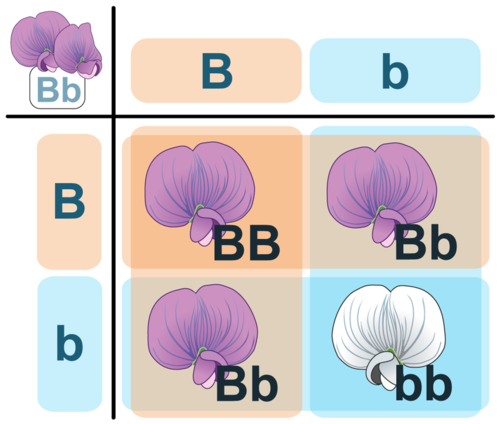
The B stands for bud.
w= non-white hair
If you cross a horse with WW and a horse with ww what fraction of the offspring would be expected to have white hair?

