
 Worksheets
Periodic Table
Total questions: 21
Worksheet time: 19mins
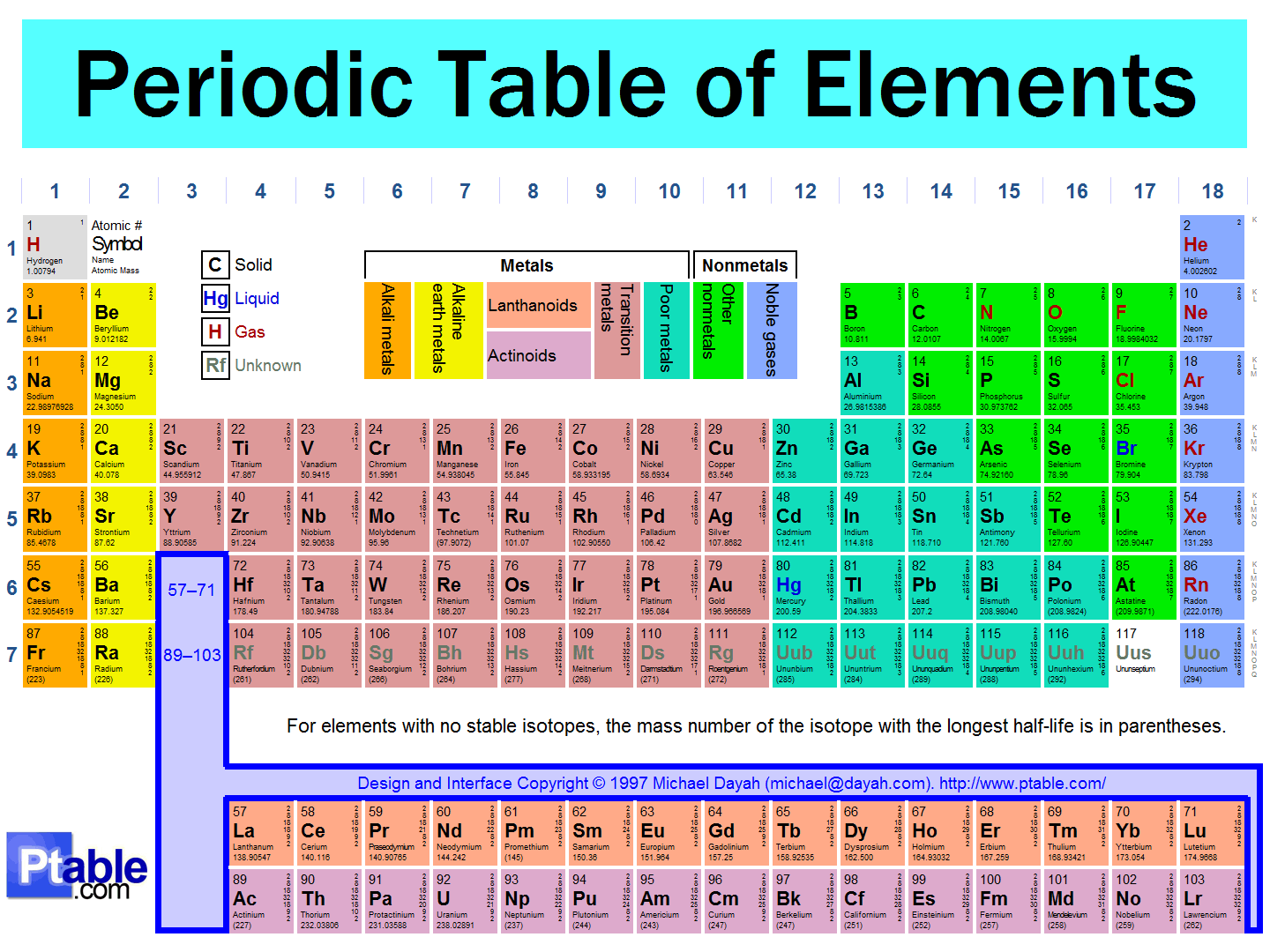
The vertical (up and down) columns in the Periodic Table are called
groups
towers
periods
atomic numbers
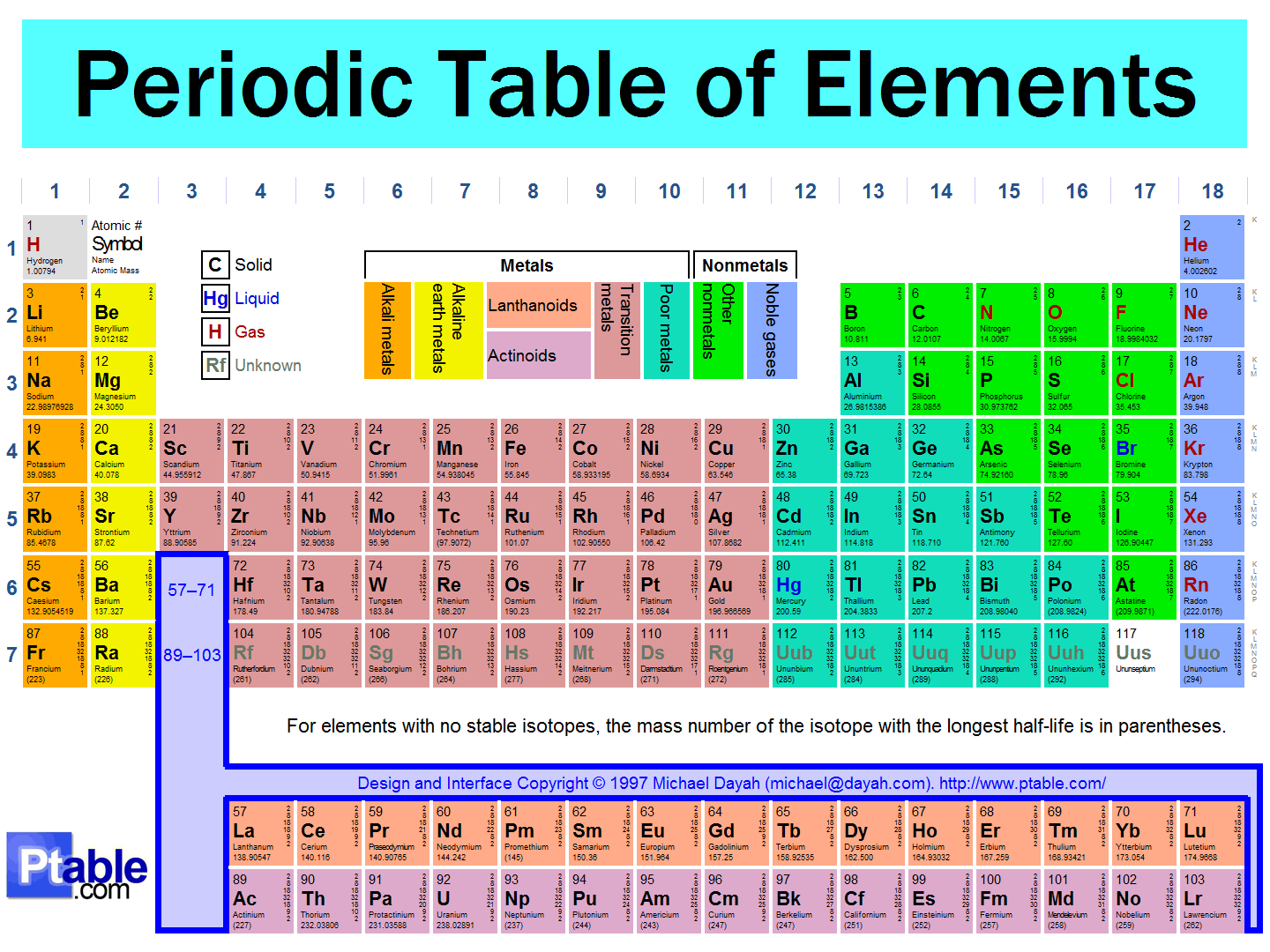
The horizontal (side to side) rows in the Periodic Table are called
groups
families
periods
atomic numbers
neutron
A subatomic particle that has a positive charge and that is found in the nucleus of an atom
not able to conduct heat or electricity, little to no metallic luster
A subatomic particle that has a negative charge
A small particle in the nucleus of the atom, with no electrical charge
A subatomic particle that has a negative charge
nobles gases
protons
electrons
neutrons


What are the three main groups of the periodic table?
groups
metal
nonmetals
metalloids
periods
What do the horizontal rows on the periodic table tell us?
The number of orbitals
The number of valence electrons (the electrons on the outer most shell)

How many protons and electrons does nickel have?
28
58.69

What is the atomic mass?
58.693
28
Which scientist arranged the elements in order of increasing atomic number, rather than increasing atomic mass?
John Newlands
Henry Moseley
Dmitri Mendeleev
Antoine Lavoisier
Which statement accurately compares the trends in atomic number and atomic mass in the periodic table?
The atomic number increases from left to right, while the atomic mass increases from right to left.
The atomic mass increases from left to right, while the atomic number increases from right to left.
Both the atomic mass and the atomic number increase from left to right.
Both the atomic mass and the atomic number increase from right to left.

Elements in the same group or column have the same ...
# of valence electrons
# of shells
# of protons
Mass Number



