
 Worksheets
Darwin and the Voyage of the HMS Beagle
Total questions: 42
Worksheet time: 17mins

Where did Darwin's voyage on the HMS Beagle take him? (choose all that apply)
South America
Australia
New Zealand
Galapagos Islands

Some of Darwin's most important observation occurred in which group of islands off the coast of Ecuador?
Hawaiian Islands
Cape Verde Islands
Galapagos Islands
Malay Archipelago

What British naturalist sent Charles Darwin an essay with similar ideas about evolution through natural selection?
Jean Baptiste Lamarck
Gregor Mendel
Alfred Russel Wallace
Mary Anning

Traces or remains of ancient creatures are called ___________ .
selective breeding
homologous structures
vestigial structures
fossils
The gradual change in a species over time is called __________ .
evolution
homeostasis
variation
natural selection

The British naval ship on which Darwin sailed for nearly five years was the _________________.
HMS Endeavor
HMS Finch
HMS Victory
HMS Beagle

Which of the following is the term for a group of similar organisms that can mate and produce fertile offspring?
individual
population
species
family

Which Galapagos Island species is pictured?
Darwin's rhea
Galapagos mockingbird
blue-footed booby
flightless cormorant

The marine iguana's long, flattened, fin-like tail makes it a strong swimmer able to reach underwater algae. This tail structure is an example of a(n) _____________ .
adaptation
vestigial structure
variation
mutation

The process by which individuals that are better adapted to their environment are more likely to survive and reproduce is called ___________ .
artificial selection
natural selection
evolution
inheritance of acquired traits

The process of selecting organisms with desired traits to serve as parents of the next generation is called __________ .
cloning
selective breeding
natural selection
evolution

Which large, flightless South American bird is shown? Darwin discovered a new species that is now named after him.
emu
cassowary
rhea
ostrich

What did Darwin realize about the giant tortoises of the Galapagos?
they were all roughly the same size
they closely resembled the tortoises of South America
tortoises had different shell shapes depending on the island they were on
they were the result of selective breeding

Darwin found that the beaks of ____________ were adapted to the type of food available on the island on which each lived.
thrushes
finches
rheas
sparrows

Which Galapagos Island species is shown?
blue-footed booby
brown booby
flightless cormorant
Galapagos mockingbird

Shamrock spiders have abdomens that show a wide range of colors including red, yellow, white, and pale greenish. This coloration is an example of ____________________.
artificial selection
variation
evolution
hybridization

The blue jays in the picture are in a struggle for food (a limited resource). This is an example of ______________ .
extinction
adaptation
artificial selection
competition

Female black widows can produce several egg sacs during the summer, each one containing around 200 eggs. This is an example of __________________ .
competition
overproduction of offspring
asexual reproduction
natural selection

Which unexpected resident of the equatorial Galápagos Islands is pictured?
Gentoo penguin
flightless cormorant
Galápagos penguin
Darwin's rhea

In his book, The Origin of Species, Darwin proposed that evolution occurs through the process of ______________ .
genetic mutations
selective breeding
biodiversity
natural selection

Which of the following were creatures Darwin observed on the Galápagos Islands? (multiple answers possible)
Sally Lightfoot crab
marine iguana
capybara
puma (mountain lion)

What was Charles Darwin's job aboard the HMS Beagle?
captain
medical officer
naturalist
chef

In Argentina, Darwin found fossils of the bony armored covering of Glyptodon, believed to be an ancestor of modern ____________ .
two-toed sloths
Northern tamanduas
armadillos
tortoises
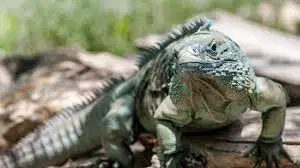
Which of the following are traits of the mainland South American iguana? (multiple answers possible)
Excellent swimmer and diver
green skin
short, blunt snout
small, sharp claws
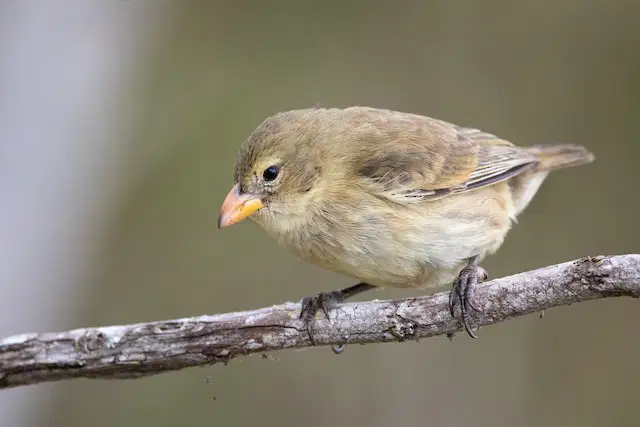
The Galápagos finches are well-known for differences in the shape and function of their __________ .
feet
feathers
wings
beaks
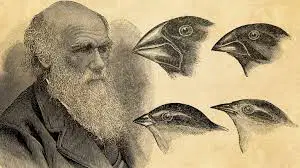
What is the name for the process through which the organisms best adapted to their environment survive and live to reproduce?
evolution
artifical selection
bioremediation
natural selection

Any difference between members of the same species is called _______________ .
phenotype
variation
adaptation
heredity

During the five-year voyage of the Beagle, Darwin visited the island of Mauritius, which had been the home of the _____ (last observed in 1662).
brown pelican
dodo
Great auk
passenger pigeon

Darwin saw that through ____________ humans had created different breeds of sheep with diverse traits.
natural selection
selective breeding
variation
competition

Turtles lay many eggs. Not all of the young will survive. This is an example of _________ .
evolution
overproduction of offspring
artificial selection
variation
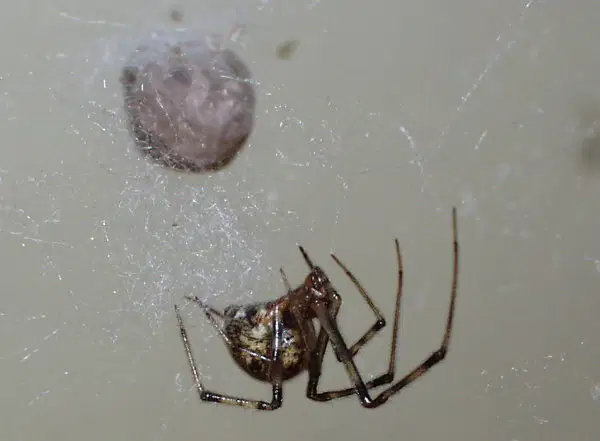
Female American house spiders can produce egg sacs with as many as ___________ eggs inside.
400
10
25
40

In South America, Darwin found fossils of sloths that were _____________ .
still living in the South American rainforest
smaller than modern sloths
similar to armadillos
giant compared to modern sloths

Charles Darwin reasoned that plants and animals that arrived ___________ faced conditions that were different from those on the mainland.
in the Galapagos
in farms and zoos
in England
on the HMS Beagle

Darwin thought that a process similar to ___________ might happen in nature to produce change in species.
hybridization
cellular respiration
selective breeding
asexual reproduction

The primary purpose of the HMS Beagle's 1831-1836 voyage was ____________ .
to promote trade between England and Argentina
to map the waters off the coasts of South America
to discover new plant and animal species
to explore the islands of the Atlantic Ocean
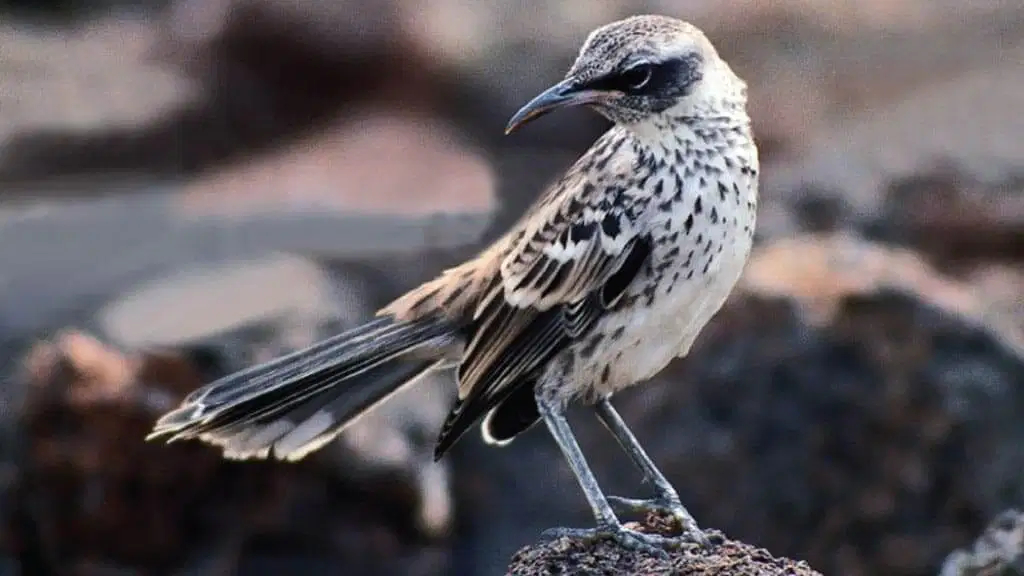
Darwin noticed that the ____________ (pictured) from different islands of the Galapagos, had differences in their feather color, beak shape, and eye color.
finches
mockingbirds
pigeons
penguins
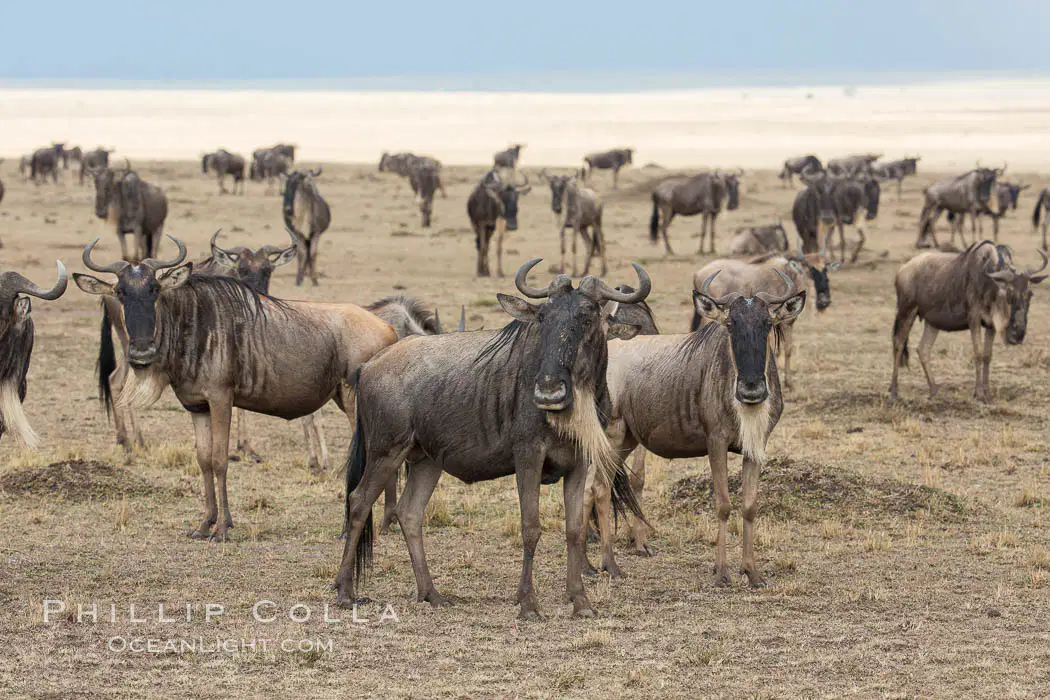
Any of the differences between members of the this wildebeest herd are ____________ .
adaptations
artificially selected
variations
mutations

Darwin referred to the pictured creature as a ____________ .
hideous-looking creature
intelligent, curious lizard
fast, clever reptile
large and remarkable creature

Alfred Russel Wallace was __________ . (multiple answers possible)
the Father of Genetics
a British naturalist
responsible for explaining evolution through natural selection
the discoverer of virus structure

Since food and other resources are limited, members of a species must ___________ each other to survive.
avoid
compete with
cooperate with
adapt to

Most monkey flowers cannot grow in soil that has a high concentration of ___________ .
bacteria
oxygen
carbon
copper

The vegetarian finch of the Galapagos has a strong, parrot-like beak for crushing tough buds and leaves found in its habit. This is a(n) ___________ .
adaptation
homologous structure
mutation
vestigial struture

