
Font size
 Worksheets
water and body 25.01.21
Total questions: 80
Worksheet time: 44mins

Water pollution occurs when:
Harmful substances enter a water supply
Industries dispose of waste safely and correctly.
Industries cut costs with waste disposal.
None of the above.

We can prevent water pollution by:
Reduce the use of plastic.
Properly dispose of chemicals.
Clean up after your animals.
All of the above
There is nothing we can do to stop water pollution.
True
False
What are the main sources of water pollution?
Plastic, Paper, and Metal
Snails in water
Help, there is a boot with a snake inside of it that somehow in the nearby lake.
Agriculture, Industry, and Community
Who does water pollution impact?
Shrek and his swamp
my water inside of my Fiji water bottle ಠ╭╮ಠ
Only us people
Everything on the planet
Animals only
Which of the following is not a natural cause of water pollution?
Volcanoes
Animal waste
Oil spills
Silt from storms and floods
What can happen to fish when there is not enough oxygen in the water?
They can suffocate
They can't float
They can't see.
Nothing. Fish don't need oxygen.
3 things water pollution causes:
Death of animals
Habitat destroyed
Humans sick
Lung damage

What percentage of the Earth's fresh water is available to us?
97 %
7 %
1 %
50 %

An example of a waterborne disease is:
Cholera
Giardia
Typhoid
All of the above.

A rapid growth of algae could lead to:
A reduction of oxygen levels in the water.
Water that can support more life.
Waters that are devoid of life.
An increase in oxygen levels.

Examples of marine debris are:F
Plastic bags
Coral reefs
Fishing equipment
Soda cans
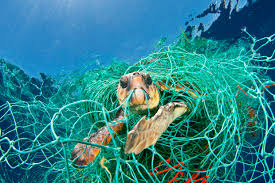
Marine debris can cause animals to:
Starve
strangle
Suffocate
all of the above.
An underground water supply is...
erosion
river
water shed
aquifer
Small particles that is made up rocks, soil
river basin
impermeable
water
sediment
The water found in cracks and pores in sand, gravel and rocks below the surface
sediment
ground water
ocean water
surface water
Taking care of natural resources like water, or soil...
infiltration
point source pollution
conservation
erosion
? is the portion of land drained by a river and its tributaries.
River Basin
Aquifer
Erosion
Watershed
All the living things surrounding an organism are called _______________.
the environment
adaptations
an ecosystem
How many baby teeth do we have?
23
32
20
10
How many adult teeth do we have?
30
32
20
36

What stage of digestion is being shown by this picture?
absorption
assimilation
digestion
egestion
ingestion
How many different kinds of teeth are found in the mouth?
2
4
6
8
How many sets of teeth does a human develop in their lifetime?
1
2
3
4
What are the names of the sets of teeth?
baby teeth and permanent teeth
temporary teeth and adult teeth
baby teeth and adult teeth
temporary teeth and permanent teeth
Which food is a food that is high in carbohydrates?
apple
beans
corn on the cob
eggs
Serve as the opening for food intake
mouth
tongue
gingiva
lips
They have a large flat biting surface.
Molars
Premolar
Canine
Incisor
Vital for chewing, tasting, and swallowing food
Incisor
Frenulum
Salivary Glands
Tongue
To cut food
Molars
Premolar
Incisor
Canine
To grip and tear food
Canine
Incisor
Molar
Molars
Name the teeth that use to cut food
canines
insicors
molars
The molars teeth are use to
tear food
cut food
grind food
without teeth we will have a problem in
eating the food
writing in the book
walking to the class
Choose the correct statement about permanent teeth
thick layer of enamel and dentine
teeth are smaller and not strong
have a long life span
have insicors, canines and molars teeth
Which statements are refer to milk teeth
this set of teeth have 8 insicors teeth, 4 canine teeth and 8 molars teeth
this set of teeth have 8 insicors teeth, 4 canines teeth and 20 molars teeth
Which of these dental care is more efficient to remove the food that is stuck between the teeth?
rinse the mouth
brushing teeth
flossing teeth
Choose the correct statements about brushing teeth.
brush the teeth using toothpaste
brush at least twice a day
brush after eating and before sleeping
don't brush teeth after eat sweet food
What is the correct order of arrangement of teeth from front to back of the mouth?
Incisors, Canines, Premolars, Molars.
Canines, Premolars, Molars, Incisors.
Incisors, Premolars, Canines, Molars.
This type of tooth is very broad and good for grinding to paste
Canines
Molars
Incisors
What is the function of incisors?
For cutting
For grinding
For swallowing
None of the above
This type of tooth is pointy, sharp, and made to help tear food.
molars
incisors
canines
pre molars
What kind of teeth do babies have?
primary
permanent
A special doctor who looks after teeth is called what?
dentist
cardiologist
hygienist
Where digestion begins? teeth and tongue help break food into smaller pieces.
Mouth
Oesophagus
Stomach
Intestine
Tube that carries swallowed food to the stomach is _______
Mouth
Oesophagus
Stomach
Intestine
Food is broken down to supply energy for your body in the __________
Digestive system
Endocrine system
Excretory system
Respiratory system
What happens when the food goes to the small intestine?
Food becomes faeces
The food keeps going
The nutrients gets into the villi / blood vessel

The organ with orange colour represent the
Oesophagus
Stomach
Intestine
Anus

The organ in orange colour represent the
Oesophagus
Stomach
Intestine
Anus
Undigested food will go out as ________
Water
Faeces
Vitamins
Nutrients
The following action can disrupt the digestion process except
Running while eating
Jumping while eating
Laughing while eating
Eat slowly
Choose the correct flow of digestion process
Intestine --> Anus --> Mouth --> Oesphagus --> Stomach
Oesphagus --> Stomach --> Intestine --> Anus --> Mouth
Mouth --> Oesphagus --> Stomach --> Intestine --> Anus
Mouth --> Oesphagus --> Stomach --> Anus --> Intestine
Digestion _____
is a process of breaking down food into smaller pieces
is a process of inhaling and exhaling
is a process of remove nutrients from the body
is a process of absorb waste product
Hydrochloric acid is secreted in the _______________ .
oesophagus
stomach
large intestine
small intestine
Most nutrient absorption occurs in the ________________ .
mouth
stomach
large intestines
small intestines
Name the glands associated with the Human Digestive System?
Only salivary glands and pancreas
Only salivary glands and liver
Only liver and pancreas
Salivary Glands, Liver and Pancreas
Where does most of the digestive process take place?
Small intestine
Stomach
Large intestine

The correct order of parts labelled 2,3,7,8
Oesophagus,stomach,pancreas,liver
Oesophagus,stomach,liver,pancreas
Oesophagus,pancreas,stomach,liver
Oesophagus,pancreas,liver,stomach
How is the small intestine adapted to perform its function ?
Being long and coiled
Lined with villi
Richly supplied with blood vessels
All the above

WHAT'S THE NAME OF THIS ORGAN?
LUNGS
TRACHEA
SKIN
BLOOD VESSELS

WHAT'S THE NAME OF THIS ORGAN?
OESOPHAGUS
STOMACH
INSTESTINES
LUNGS

Nutrition is the process which provides your body with...
ENERGY
FATS
NUTRIENTS
ENERGY AND NUTRIENTS

WHAT'S THE NAME OF THIS ORGAN?
OESOPHAGUS
KIDNEYS
DIGESTIVE SYSTEM
STOMACH

DURING DIGESTION YOU...
ABSORB AIR FROM FOOD
YOU EXPEL USEFUL WATERIALS
ABSORB NUTRIENTS FROM FOOD
YOU EXPEL WASTE MATERIALS

YOUR BODY NEEDS NUTRIENTS ....
TO GROW
TO FUNCTION PROPERLY
TO SLEEP
TO GROW AND TO FUNCTION PROPERLY

YOU NEED ENERGY TO
TO SLEEP
TO FALL ASLEEP
TO LIE ON THE COACH
TO DO ALL KIND OF ACTIVITIES
What liquid mixes with food in your mouth?
Acid
Water
Blood
Saliva
The oesophagus leads to the
stomach
liver
small intestine
rectum
What carries waste from the small intestine to the rectum?
gall bladder
anus
large intestine
oesophagus

