
 Worksheets
CHAPTER 8 & 9
Total questions: 50
Worksheet time: 25mins
The place where goods are stored
supply chain
freight
inventory
warehouses
The 'middleman' between the manufacturer and retailer
consumers
suppliers
distributors
company
when you sell some products to many other channels or customers it is known as
breaking the law
break the ice
break the bulk
break a leg
a 3 level channel has
no intermediaries
manufacturer - retailer -customer
manufacturer - wholesaler - retailer . customer
manufacturer - agent - wholesaler - retailer - customer
A producer decides to use agents to get his products in the market. The producer is using…
Direct distribution
Channel A Distribution
Intermediaries
No distribution
This is the Channel that goes from Producer to Consumer
Direct
Indirect
Sales Agent
None of the above
The final intermediary in an indirect channel that sells products to consumers
Sales Agents
Wholesalers
Producers
Retailers
Activity where the packed finished goods are stored before they are sold to the customers finally.
Transportation
Warehousing
Packaging
Order Processing
The beginning stages of creation of a company's product or service is called _________________
Upstream Flow
Downstream Flow
Electron Flow
Flo Rida
The end processes where a company takes a finished product to the consumer is called __________________
Upstream Flow
Ebb and Flow
Downstream Flow
Go with the Flow
A(n) __________ has no intermediary levels.
manufacturer-sponsored wholesaler franchise system
indirect marketing channel
direct marketing channel
manufacturer-sponsored retailer franchise system
The length of a channel is determined by __________.
the number of producers
the number of final consumers
the number of retailers in the channel
the number of intermediary levels
Which of the following statements is correct regarding the functions channel members perform?
Channel members create greater efficiencies than manufacturers could achieve on their own.
Channel members fulfill a variety of functions, but in doing so do not take any risks.
Channel members do not get involved in financing in other words, the acquisition and use of
funds to cover the costs of the channel work.
Manufacturers can decrease costs by taking on more channel functions.
Which of the following is a reason that producers use marketing channels and channel intermediaries?
Marketing channel members are able to transform the assortments of products made by
producers into the assortments wanted by consumers.
Using channel intermediaries increases the number of contacts with customers.
Using marketing channels allows producers to retain full control over how and to whom they sell
their products.
The reduced costs of using channel intermediaries offsets the inefficiencies of marketing
channels.
The sale of goods or services directly to the final consumer.
Retail
Clearance
Fire Sale
Partnership
store offering low prices on less fashionable brands
retail
discount store
department store
e-tail
store offering overproduced or irregular stock at discounted prices
factory outlet store
convenience store
factory outlet
boutique
small store offering limited products, quick service and extended hours in a convenient location
factory outlet store
convenience store
factory outlet
boutique
large store offering a range of food, beverage and household products
supermarket
multi-channel retailer
showrooming
product mix
What is retailing?
the activities involved in selling merchandise to consumers
the process of selling consumer goods or services to customers through multiple channels of distribution to earn a profit
Selling goods to the public
All of the Above
Distribution refers to the storing and __________ products to customers.
sorting
moving
packaging
The route used to physically get the product from the producer to the actual consumer is referred to as:
Wholesaling
Channels of distribution
Which is considered the traditional channel of distribution
Producer Retailer Consumer
Producer Wholesaler Consumer
Producer Wholesaler Retailer Consumer
Producer Consumer
A wholesaler is a business that buys in extremely large quantities from manufacturers and sells in smaller to retailers but never to consumers.
True
False
Which type of wholesaler does not offer credit?
Specialist wholesaler
Cash and carry wholesaler
General wholesaler
The wholesaler is sometimes called an intermediary
True
False
One function of the wholesaler is that he/she breaks bulk.
True
False
Business that buys goods in large quantities, typically from manufacturers, and resells them in smaller batches to retailers. Also referred to as a wholesaling business.
Wholesaler
Manufacturer
Retailer
Franchise
He purchases directly from producer
Retailer
Wholesaler
He sells in bulk to buyer.
Retailer
Wholesaler
He makes cash payment and often pays in advance to the producer.
Wholesaler
Retailer
A producer decides to use agents to get his products in the market. The producer is using…
Direct distribution
Channel A Distribution
Intermediaries
No distribution

A direct channel of distribution brings the product directly from the producer to the consumer. ex. farmers market.
True
False
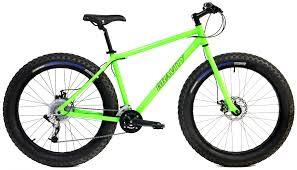
Top-Notch Wheels buys thousands of different brands of mountain bikes from The Great Colorado Mountain Bike Company and sells them to local bike shops. Top-Notch Wheels is an example of a(n)
agent
retailer
producer
wholesaler
Who operates from a large warehouse for convenient access from many local towns.
General Wholesalers
General Retailers
Cash and Carry Wholesalers
Cash ad Carry Retailers
When a wholesaler predicts market trends and buys ahead of demand they are _____________________________.
Acting as an intermediary
Warehousing
Taking on risks
When the wholesaler supply's goods and allow the retailer to pay at some later date this is called _____________________.
Acting as an intermediary
Breaking Bulk
Warehousing
Offering Credit
What 2 services does wholesalers offer to producers.
Reduces transport cost.
Offers choice products from many producers.
Finishes goods by grading and packing.
Advises on latest trends and best buys
What 2 services does wholesalers offer to retailers.
Reduces transport cost.
Offers choice products from many producers.
Finishes goods by grading and packing.
Advises on latest trends and best buys
There are four types of wholesalers
True
False

