wayground logo

Free Printable Worksheets

NEW

Font size

S
M
L
XL
Worksheets

Scientific investigation

Total questions: 41

Worksheet time: 29mins

Name
Class
Date
1.

Which of the following is a natural phenomenon?

a)

Dam construction

b)

Volcanic eruptions

c)

Use of mobile phones

d)

Discovery of new medicines

2.

Belows are examples of natural phenomena EXCEPT

a)

flash floods

b)

rainbows

c)

volcanic eruptions

d)

car movement

e)

occurence of day and night

3.

Which of the following is a science-related career?

a)

Pilot

b)

Lawyer

c)

Fireman

d)

Geologist

4.

What is the natural phenomena?

a)

Things that created by living things

b)

Things that required by living things

c)

Things that happen in nature

d)

Things that happen every month

5.

Which carrer will provide medicine based on prescription doctor?

a)

Geologist

b)

Meteorologist

c)

Pharmaceutist

d)

Biologist

6.

Meteoroglogy study of ...

a)

living things

b)

rocks and minerals

c)

wheather and climate change

d)

planets and stars

7.

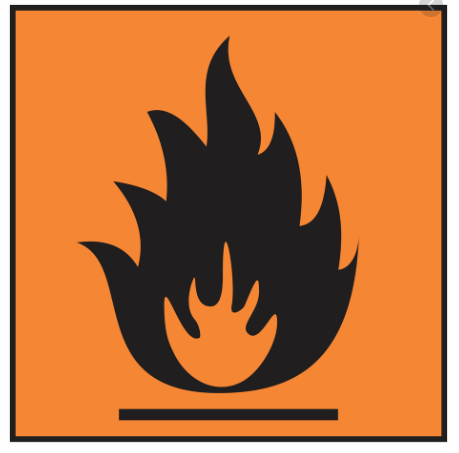
diagram above shows a hazard symbol. what is the meaning of this symbol?

a)

flammable

b)

irritant

c)

explosive

d)

poisonous

8.

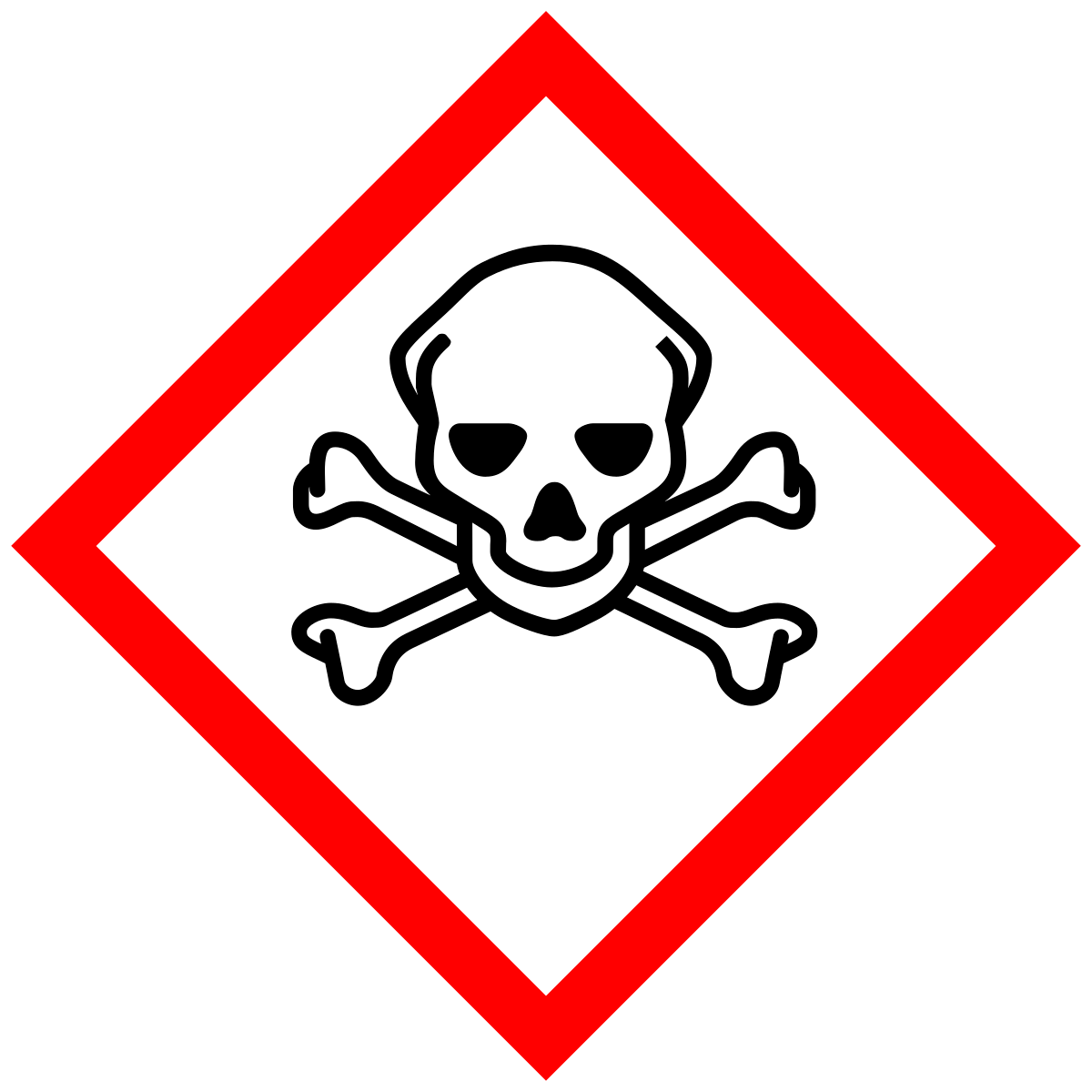
The above hazard symbol means ......

a)

explosive

b)

flammable

c)

toxic or poisonous

d)

corrosive

9.

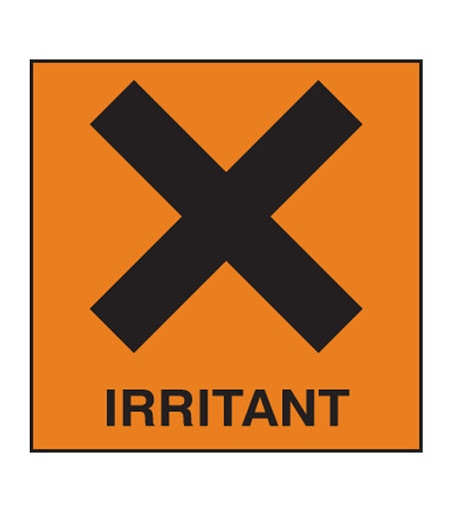
If you see above symbol, beware of materials that can

a)

release fume that can hurt eyes, nose and throat.

b)

cause harmful radiation.

c)

cause poisoning and death if swallowed

d)

easily expolde.

10.

What is the meaing of the symbol?

a)

Explosive

b)

Radioactive

c)

Flammable

d)

Irritant

11.

What does this symbol stand for?

a)

Flammable

b)

Oxidising

c)

Irritant

d)

Corrosive

12.

What is this?

a)

beaker

b)

telescope

c)

microscope

d)

spring scale

13.

What is this?

a)

safety goggles

b)

microscope

c)

hand lens

d)

metric measuring tape

14.

What is this?

a)

Triple Beam Balance

b)

Graduated Cylinder

c)

Overflow Can

d)

Massometer

15.

What is this?

a)

metric ruler

b)

Celsius thermometer

c)

graduated cylinders

d)

pan balances

16.

What is this?

a)

barometer

b)

compass

c)

test tube

d)

thermometer

17.
We use this tool to measure the mass of an object. 
a)
triple beam balance
b)
graduated cylinder
c)
ruler
18.
We use this tool to measure the volume of a liquid.
a)
triple beam balance
b)
graduated cylinder
c)
pipette
19.
We use this tool to measure the length of a wooden block. 
a)
triple beam balance
b)
graduated cylinder
c)
ruler
20.
This unit measures the volume of a liquid in a graduated cylinder.
a)
g (grams)
b)
mL (milliliters)
c)
cm (centimeters)
21.
Mass is the amount of ______ in an object. 
a)
matter
b)
space
c)
pieces
23.
An eyedropper should be classified as a ___________ tool.
a)
Safety
b)
Measurement
c)
Collecting/Analyzing
d)
Not here
23.
An eyedropper should be classified as a ___________ tool.
a)
Safety
b)
Measurement
c)
Collecting/Analyzing
d)
Not here
24.
If there is a fire in the lab, immediately...
a)
Notify your teacher
b)
Run for the fire alarm
c)
Throw water on the fire
d)
Open the windows
25.
Goggles are worn in the lab...
a)
To avoid eye strain
b)
To improve your vision
c)
Only if you don't have personal glasses on
d)
Any time chemicals and glassware are used, and when told to by the teacher
26.
If you do not understand directions...
a)
Figure it out as you go
b)
Try different things until something works
c)
Ask the teacher before proceeding
d)
Skip it and move on
27.
You cut your finger during a lab experiment. The first course of action is to...
a)
Visit the school nurse after class
b)
See a doctor after school
c)
Tell the teacher at once
d)
Apply first aid yourself
28.
Long hair in the lab must be...
a)
Cut shorter
b)
Held away from the experiment with your free hand
c)
Neatly groomed
d)
Tied back to be kept out of the way
29.
Horseplay and practical jokes in the library are...
a)
Always against the rules
b)
Alright
c)
Not dangerous
d)
Okay if working alone
30.
If a piece of equipment isn't working, you should stop, turn it off, and tell...
a)
The teacher
b)
Your lab partner
c)
Your best friend
d)
The front desk
31.
If a chemical splashes on your skin, wash the skin at once with...
a)
Soap
b)
Oil
c)
An acid
d)
Plenty of water
32.
After completing an experiment, all chemical wastes should be...
a)
Left at your lab station for the next class
b)
Disposed of according to the teacher's instructions
c)
Dumped down the sink
d)
Taken home
33.
When you finish working with chemicals and lab equipment, always...
a)
Treat your hands with skin lotion
b)
Wash your hands with soap and water
c)
Wipe your hands on a towel
d)
Wipe your hands on your clothes
34.
Which of the following would be safe to do during a lab activity?
a)
Running in the classroom
b)
Leaving a water spill on the floor
c)
Touching hot surfaces
d)
Following lab rules
35.
Students mixed a spoonful of vinegar with a small amount of baking soda in a bowl.  They wrote a description of what they observed.  Which of these should the students avoid while doing this activity?
a)
Using a metal teaspoon
b)
Using a plastic bowl
c)
Stirring the vinegar
d)
Tasting the mixture
36.
Which of the senses must be protected when doing an activity concerning a solar eclipse?
a)
Touch
b)
Taste
c)
Sight
d)
Smell
37.
Which of the following items is necessary in a laboratory for safety purposes?
a)
Triple-beam balance
b)
Metric ruler
c)
Computer Monitor
d)
Fire extinguisher
38.
If a chemical is splashed in your eyes, you should ..
a)
rub your eyes with your hands
b)
wipe your eyes with a paper towel
c)
flush your eyes with running water
d)
close your eyes tight until the feel better
39.
The most important reasons for keeping your workspace neat is to ...
a)
make the teacher happy
b)
prevent accidents or unsafe situations
c)
lose materials in the lab
d)
prevent the room from looking messy
40.
What is the safety rule for proper dress when working in the science lab with chemicals or open flames?
a)
tie back long hair
b)
remove jewelry that hangs from the body
c)
tie back clothing that hangs from the body
d)
All of the above
41.
I may get the science supplies I need for an experiment..
a)
when I think it is safe
b)
when the teacher gives me permission
c)
when the supplies are out and ready to use
d)
whenever I want