
Font size
 Worksheets
Electro-magnets and motors
Total questions: 22
Worksheet time: 19mins
Q1. a motor converts electrical current into:
chemical energy
electric energy
mechanical life
mechanical energy/force
electric current can cause a magnetic field
True
False
electric generators converts mechanical force/energy into
mechanical energy
magmatism
electric energy
chemical energy
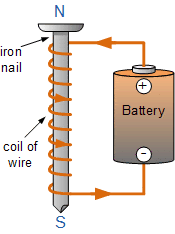
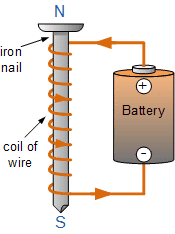
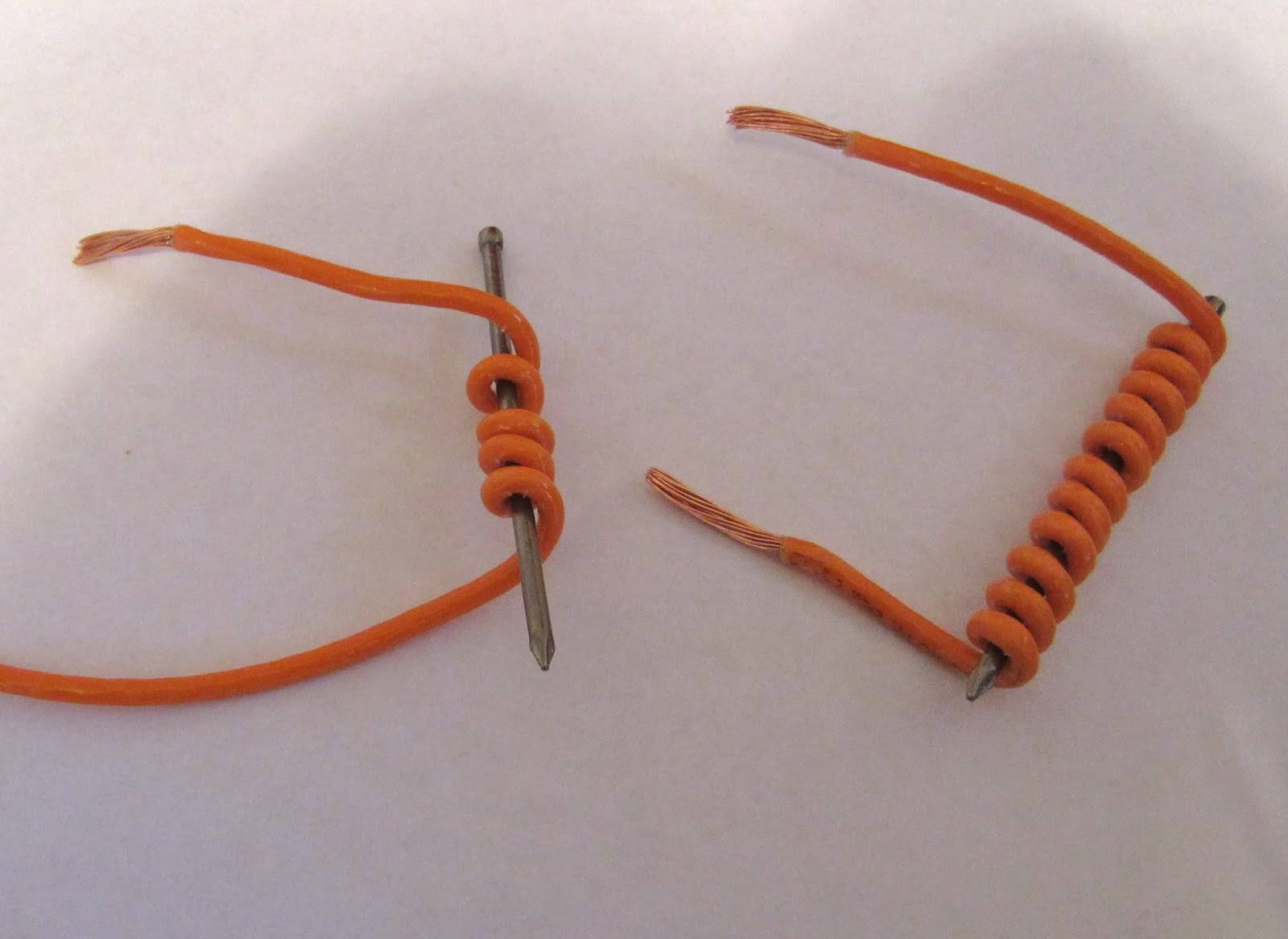
What can you use to make an electromagnet?
Battery, nail and string
Battery, pencil and wire
Wire, battery and nail
Peanut butter, lampshade, hand sanitizer
What is the transfer of energy in when you plug in a motor and it spins?
chemical to mechanical
electrical to mechanical
mechanical to electrical
physical to potential
How are electromagnets different from magnets?
magnets can be turned on/off
you can turn an electromagnet on/off
magnets are more powerful
magnets have a North and South pole
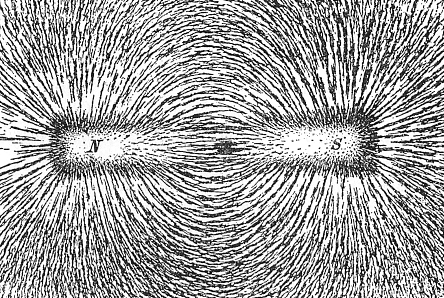
If I were to try to connect the north pole of one magnet to the north pole of another magnet, the two poles would:
repel
attract
neither
flip

Look at the picture what is letter A?
Armature
Commutator
Permanent Magnet
DC Source
AC Source
Look at the picture what is letter B?
Armature
Commutator
Permanent Magnet
DC Source
AC Source
Which part of the magnet is the strongest?
the poles
the center
it is the same throughout the magnet

What direction is the force/motion in the following diagram?
To the right
Downwards
To the left
Upwards

What angle must there be between a magnetic field and a conductor in order for the maximum force to be exerted?
180
45
90
270
Give two ways you can reverse the direction of a basic dc motor?
Reverse the current
Keep the current the same
Reverse the magnetic field
Keep the magnetic field the same
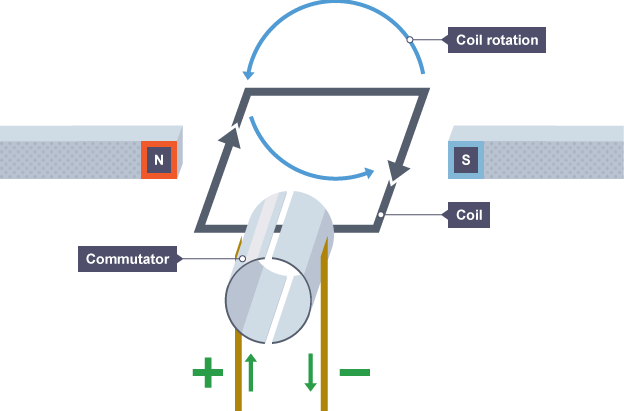
How does a split ring commutator work?
Swaps the contact every full turn, so that the left-hand and right-hand arms of the coil always experience a force in the same direction.
Swaps the contact every half turn, so that the left-hand and right-hand arms of the coil do not experience a force in the same direction.
Swaps the contact every half turn, so that the left-hand and right-hand arms of the coil always experience a force in the same direction.

