
NEW
Font size
 Worksheets
United States History Unit 1
Total questions: 71
Worksheet time: 51mins
Type of settlers in New England
English, Puritans
Quakers, Dutch, French, German, Irish
English aristocrats, planters, slaves
Type of settlers in the Middle Colonies
English, Puritans
English Aristocrats, planters, slaves
Quakers, Dutch, French, Germans, Irish
Type of settlers in the Southern Colonies
Quakers, Dutch, French, Germans, Irish
English aristocrats, planters, slaves
English, Puritans
Geography of the New England Colonies
Rocky, Forests, hilly, poor soil, long winters, limited farming
Fertile soil, flat land, swift rivers, wide valleys, warmer
Rich fertile soil, broad coastal plains, tidewater, backcournty
Geography of the Middle Colonies
Rocky, forests, hilly, poor soil, long winters, limited farming
Rich fertile soil, broad coastal plains, tidewater, backcountry
Fertile soil, flat land, swift rivers, wide valleys, warmer
Geography of the Southern Colonies
Rich fertile soil, broad coastal plains, tidewater, backcountry
Fertile soil, flat land, swift rivers, wide valleys, warmer
Rocky, forests, hilly poor soil, long winters, limited farming
Economic activity of the Middle Colonies
Farming grains, livestock, cash crops, mining, trading
Plantations with tobacco, rice slavery
Small farms, merchants, craftsman, boatbuilding, whaling, lumber, fish
Religion: Quakers, Catholics, Jews, Protestants
New England Colonies
Middle Colonies
Southern Colonies
Quaker Oats Colonies
Religion: Church of England, Catholics
Middle Colonies
New England Colonies
Southern Colonies
Education in the New England Colonies
Schooling for boys and girls, advanced school for boys, Harvard 1636
Fewer schools than NE, Princeton
Planters' sons taught at home by tutors, College of William and Mary
Government:: Town meetings, vote, self-government
Middle Colonies
New England Colonies
Southern Colonies
Government:: Mixture of town meetings and country government
Middle Colonies
Southern Colonies
New England Colonies
After Lexington and Concord, who gathered in Pennsylvania to decide how the colonies should respond to Britain’s growing threat.
British Parliament
The Second Continental Congress.
The Colonists.
George Washington
The Second Continental Congress sent ____________ to King George III.
A petition to end war
The Women's Petition Against Coffee
The Olive Branch Petition
A petition to end all taxes


Which of the following best completes this excerpt?
The excerpt above is taken from the -


Shays's Rebellion ....
exposed the weakness of the Articles of Confederation in its inability to provide security for the country.
led the country to repeal the Articles of Confederation and adopt the Constitution of the United States.
was a minor incident that had very little effect on the early government of America.
was America's first punk rock band.

What does the political cartoon represent?
3/5 Compromise: every 5 slaves = 3 people for representation & taxation in Congress
5/3 Compromise: every 3 slaves = 5 people for representation & taxation in Congress
3/5 Compromise: every 3 slaves = 5 people for representation in the slave trade taxes
10/8 Compromise: every 10 slaves = 8 people for representation in the Appalachian Mountains
The Bill of Rights was added to the U.S. Constitution primarily to
provide the President with power in times of emergency
establish fair and impartial elections
protect individual liberties
guarantee voting privileges
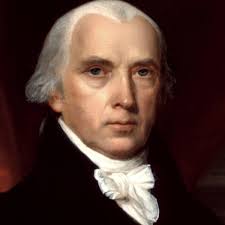
Who is known as the "Father of the Constitution"?
George Washington
Alexander Hamilton
James Madison
Benjamin Franklin
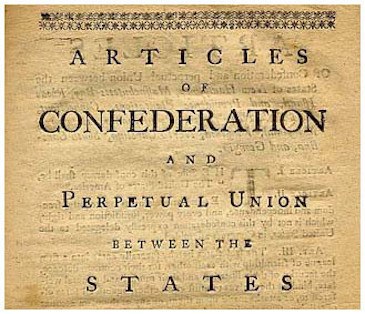
Federalists believed that the Articles of Confederation were a ________ and set up a ________ National Government.
Success, Strong.
Success, Weak.
Failure, Weak.
Failure, Strong.
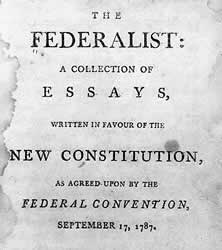
The "Federalist Papers" were written to:
Explain and convince the people into supporting the new U.S Constitution.
spark a new revolution among the American people against their government.
oppose a strong centralized government.
create a new monarchy.
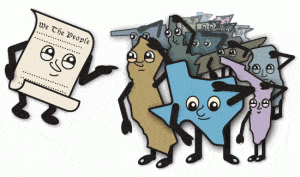
Anti-Federalists were in favor of:
States Rights and the protection of individual rights.
A strong Central Government.
A Monarchy (King & Queen) to rule over the country.
a powerful National Government
"power is separated, or divided, among three branches of government"
legislative branch
articles
separation of powers
what was Alexander Hamilton to George Washington while he was president
secretary of state
secretary of treasury
secretary of defense
vice president

McCulloch v. Maryland was about whether a state could _______ a U.S. bank.
tax
issue
nullify
ratify
What case established the federal government’s control over interstate trade?
Marbury v. Madison
Brown v. Board
McCulloch v. Maryland
Gibbons v. Ogden
What was the purpose of the Supremacy Clause?
National laws take priority over state laws
State Laws are above National Laws
To be supreme in every single way.
The national and state laws serve no purpose.

A series of four laws passed by the U.S. Congress in 1798 amid widespread fear that war with France was imminent. The four laws–which remain controversial to this day–restricted the activities of foreign residents in the country and limited freedom of speech and of the press.
The Alien and Addition Acts
The Alien and UFO Acts
The Alien and Sedition Acts
The Alien and Planet Acts

