
 Worksheets
Homeostasis and regulatory systems
Total questions: 13
Worksheet time: 8mins
When you are hot, your body sweats to cool you down. This means your temperature went above normal and your body sweats to counteract that change to bring you back to normal. What kind of feedback loop would this be?
Negative Feedback Loop
Positive Feedback Loop
Neutral Feedback Loop
Opposite Feedback Loop
The junction between neurons is termed a:
synaptic knob.
synaptic cleft.
synapse.
neurotransmitter.
Sensory (afferent) neurons are those that:
Receive a stimuli and carry information from a receptor to the CNS
Transmit information from the central nervous system to an effector organ to bring about a response
Relay information between sensory input and motor output
Act as a link between neurons
Homeostasis is maintained by:
neutral feedback loops
solar feedback loops
positive feedback loops
negative feedback loops
Which of the following describes homeostasis?
keeps variables exactly at the set point
organism's ability to maintain steady(stable) internal conditions
acts to keep values outside of a desired range
operates through positive feedback
What do we call the involuntary contractions of voluntary muscles that help you to warm up
Shivering
Sweating
Vasodilation
Vasoconstriction
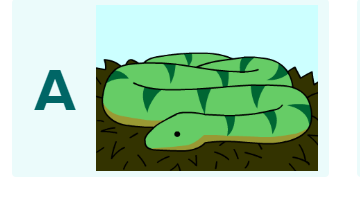
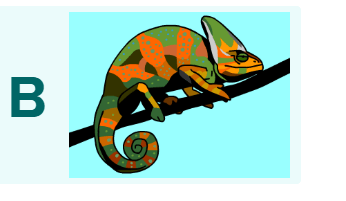
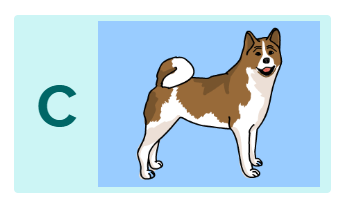
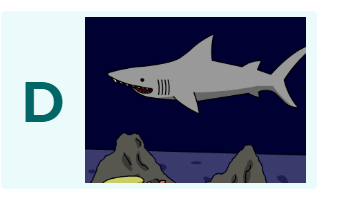
Which of the following animals has a body temperature that doesn't change depending on the weather outside?
Blood carries hormones throughout the body. What two body systems are at work here?
circulatory and endocrine
endocrine and nervous
excretory and integumentary
circulatory and respiratory
The weather temperature is cold outside and you start to shiver. Which part is the stimulus?
weather temperature
shivering
Temperature homeostasis is called
Endotherms
Thermoregulation
Ectotherm
Thermometer
An animal that can generate its own heat by metabolism is called an
endotherm
ectotherm
High body temperature in humans is regulated by all these except
sweating
falling of skin hairs
vasodilation
vasoconstriction
A hormone is
a chemical substance produced by a gland and carried by the lymph.
an enzyme produced by a gland and carried by the blood.
a chemical substance produced by an organ and carried by the blood.
a chemical substance produced by a gland and carried by the blood.

