
Font size
 Worksheets
Zoo module- online practical
Total questions: 55
Worksheet time: 30mins
Snakes and lizard are animals
Warm blooded
Cold blooded
Both A and B
None of these
Dolphins belong to which class of animals
Reptiles
Aves
Mammals
Pices
The naming of animals fall under the study of ...
taxonomy
genetics
physiology
paleontology
When comparing how a species has changed over a long period of time, what are MOST LIKELY studying about that animal?
evolution
animal behavior
biodiversity
biochemistry
A conservationist would MOST LIKELY want to do which of the following?
save a rare species of bird
eradicate all snakes
trophy hunt elephants
put animals in zoos


Habitat is
A place to buy furniture and furnishings
the same as an ecosystem
a particular area inhabited by plants and animals
the number of different organisms living in specific area
What is the primary cause of invasive species introduction?
too much food
human actions
weather events
asteroids

Identify the insect
Grasshopper
Stick insect
Butterfly
Beetle
Methodically cut up (a body, part, or plant) in order to study its internal parts
Dissection
Embalming
Incision
Probe

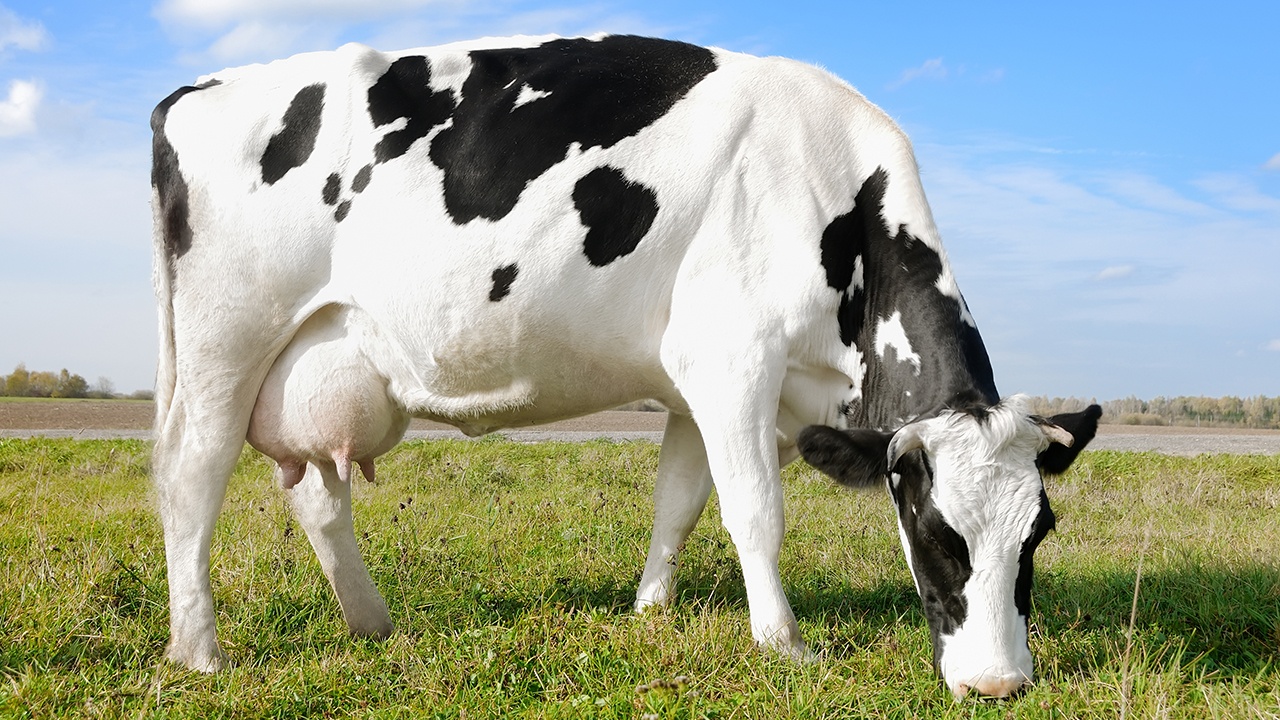
What makes up hair, feathers, nails, and scales
keratin
chitin
hemoglobin
skin
Do you think zoos are bad to animals
Yes
No

Why is variation important for a population?
Variety is the spice of life
It allows for more offsrping
It allows populations to adapt to a changing environment
If the environment doesn't change, all organisms will be "fit"
Which Vitamin deficiency is the main problem for Poultry Farming Birds in winter?
Vitamin B
Vitamin C
Vitamin D
Vitamin E
Why would you use disinfectant in an enclosure?
To make it smell nice
To reduce the risk of cross contamination
To remove all visible dirt
We don't use disinfectant
Why is gut loading insects with nutritious food before feeding to the exotic animals important?
To make sure the insects enjoy their last few days alive!
Because these nutrients will then end up in the exotic animal after they have eaten the cricket
It is a legal requirement
Crickets are fussy eaters and only eat the most nutritious foods
Before entering an enclosure what should you do?
Check the animals behaviour and temperament
Risk assessment
Tap on the glass
Nothing
What does wild caught mean?
An animal caught from the wild
An animal that was hard to catch
Aggressive temperament
An animal that was captive bred
What does captive bred mean?
An animal that was wild caught
An animal bred in captivity
An animal sold in a pet shop
A breeder quality animal
CITES stands for...
Convention on International Trade in Endangered Species of Wild Fauna and Flora
Can I Talk Every Second
Contains International Truly Exotic Species
Caught In The Exceptional Seas
What is the aim of CITES?
To stop the keeping of exotic animals forever.
Ensure that international trade in specimens of wild animals and plants does not threaten the survival of the species in the wild.
To encourage people to keep and breed exotic animals.
To make sure all exotic animals are kept under good conditions.
CITES is legislation that only applies to people living in the UK?
Yes, only people living in the UK.
No, it is an international legislation.
What does SSSMZP stand for?
Secret Service for Snakes and Monkeys Zebras and Peacocks
Secretary of States Standards of Modern Zebra Principles
Secrets of State Standards of Modern Zoo Practice
Secretary of States Standards of Modern Zoo Practice.
What is one of the requirements for zoos under the SSSMZP legislation?
All zoos must keep elephants
All zoo animals must be kept in an enclosure or within the perimeter of the zoo
All zoos must keep at least one endangered animal
Keepers are not allowed to work alone with the penguins
What other legislation does SSSMZP link with?
The Animal Welfare Act 2006
Zoo Licensing Act 1981
Health and Safety At Work Act 1974
All of the above legislation


what is this animal?
capybara
rat
horse
mouse

What enclosure would the Eagle Owl have?
Aquarium
Terrarium
Vivarium
Aviary

What enclosure would the Neon Tetra have?
Aquarium
Terrarium
Vivarium
Aviary
Animals at the zoo behave the same as if they were in the wild.
true
false
An exotic animal's nutritional needs are met and the animal is provided with plenty of space. This means that they will not exhibit stereotypies in captivity.
true
false
The health, happiness, and well being of an animal
welfare
rights
wild
acclimate
The Secretary of States Standards for Modern Zoo Practice are:
The minimum welfare standards that must be adhered to
The maximum welfare standards that must be adhered to
Guideline standards
The Department for Environment Food and Rural Affairs ensures animal collections are responsible for:
Animal welfare in captivity
Local environmental protection
Animal welfare during transit
All of the above
EAZA stands for
Empire of American Zoo Associations
European Association of Zoo Animals
European Animals in Zoos Act
European Association of Zoos and Aquariums
Why do Tigers have stripes?
For camouflage
To look cool
To run faster
To be lucky
What are endangered animals?
Animals in danger of extinction
Animals in danger of being sad
Animals in danger of loosing water
Animas in danger because of habitats
Choose the correct option about pollution:
Only rivers are polluted
Only rivers and seas are polluted
The Earth is polluted but the oceans aren't
The Earth, rivers and seas are polluted
Dodo bird is an example of ________ species.
Extinct
Endangered
Vulnerable
Rare
Loss of biodiversity is also because of ................ in human population.
Increase
Decrease
Spread
Fight
What are possible negative outcomes of forest being cleared to make room for farmland?
Fewer trees for animal habitats
Fertilizers create run-off into a nearby stream, polluting it.
Less room for animals to hunt and find shelter
Birds find seeds and insects on plowed fields
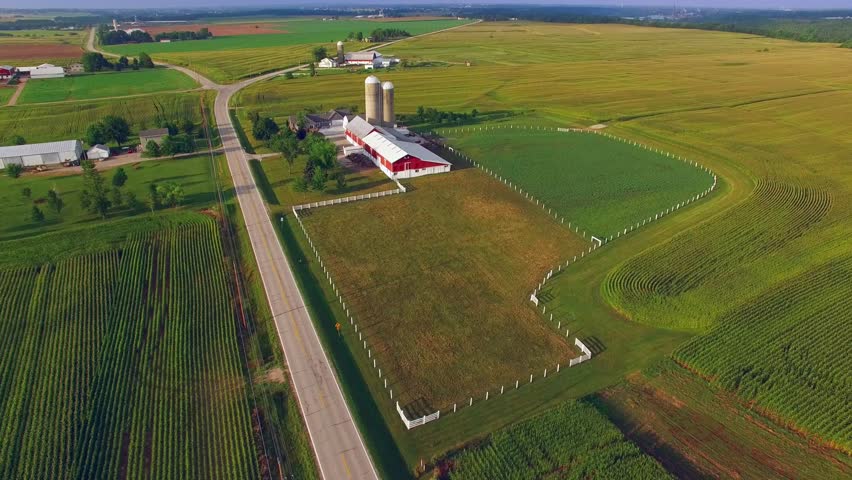
What happens to any forest ecosystem when the land is cleared for farming?
The forest ecosystem will be destroyed.
The forest ecosystem will be healthy.
The forest ecosystem will be relocated.
The forest ecosystem will be unaffected.

Which method of administration is being used if you place medication on your dogs neck?
Orally
Nasally
Topically
Injection

Programs that breed animals in captivity then release them to the wild are called...
IUCN red list
Captive conservation
Captive Breeding Programs
Catch and Release Programs
Ex-situ conservation takes place:
Inside the species natural habitat
Outside of the species natural habitat
Both within and outside of the species natural habitat
What does BIAZA stand for?
British and Irish Association of Zoos and Aquariums
Biological Information for American Zoos and Aquariums
British Institute of Animal Zoo Association
The advantages of ex-situ conservation include:
Raises awareness
Increases genetic diversity
It's cheaper than in-situ conservation
Contributes towards research

