
NEW
Font size
 Worksheets
ESP Practice Test: Weathering, Erosion, and Deposition
Total questions: 35
Worksheet time: 25mins

The process by which rocks are broken down
Weathering
Deposition
Erosion
Sedimentation

The process in which wind, water, ice or gravity transport rock fragments from one location to another
Weathering
Sedimentation
Erosion
Deposition

The process in which sediment settles out (drops to the bottom) of the water or wind that is carrying it
Weathering
Erosion
Sedimentation
Deposition

Fragments of weathered rocks are known as ____.
sediments
deposits
limestones
sandstones

Acid rain slowly wearing away rock over time is an example of...
chemical weathering
physical weathering
erosion
deposition

Water getting into cracks, freezing, and breaking rocks or pavement apart is an example of...
chemical weathering
physical weathering
deposition
erosion


The cross section below shows sedimentary bedrock layers A, B, C, and D exposed at Earth’s surface. Which layer appears to be the least resistant to weathering?
A
B
C
D
Which climactic conditions normally produce the greatest chemical weathering?
cool and dry
cool and wet
warm and dry
warm and wet
Soil is a mixture of
Weathered rock particles
Plant and animal remains
Bacteria
All of the above

Why are powdered materials better to use for quick reactions?
They are smaller
They are lighter
Powder has more surface area
Powder holds onto heat longer
Glacier sediment is ______________ sediment
Sorted
Unsorted
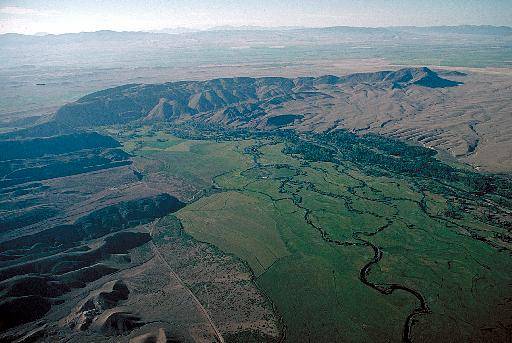


What river feature does this image show?
Meander
Oxbow Lake
Tributary
Headwaters

New York State's Finger Lakes exist today because
a rise in sea level occurred, flooding the region
a drop in sea level occurred, leaving the lakes
V-shaped valleys are being eroded by streams
U-shaped valleys were left behind by the last glaciers

The greatest stream velocities are found closest to points
A and B
B and C
C and D
D and A


This landscape feature is commonly formed in deserts. What agent of erosion formed it?
Stream
Glacier
Wind
Wave

Identify this coastal feature formed by erosion and deposition.
Sandbar
Barrier Island
Seacliff
Beach
Dune

Which diagram represents a side view of a sand dune most commonly formed because of the prevailing wind direction shown?


Which cross section best shows a river?


The slowest type of mass movement is called a _____________________.
slump
creep
landslide
mudflow

Erosion is most likely greatest at locations
A and B
B and C
C and D
D and A
A river's current carries sediments into the ocean. Which sediment size will most likely be deposited in deeper water farthest from the shore?
pebbles
clay
silt
sand

Abrasion is...
the destruction of plant life due to a glacier
another term for plucking
when the glacier melts into carved out pieces of land and creates a lake
boulders and rocks scraping away at lower rock like a file

What type of glacier covers huge areas of land?
alpine
continental
till
moraine
Which landscape feature was most likely formed by glacial activity?
an eroded plateau
a flat floodplain
a U-shaped valley
a V-shaped valley
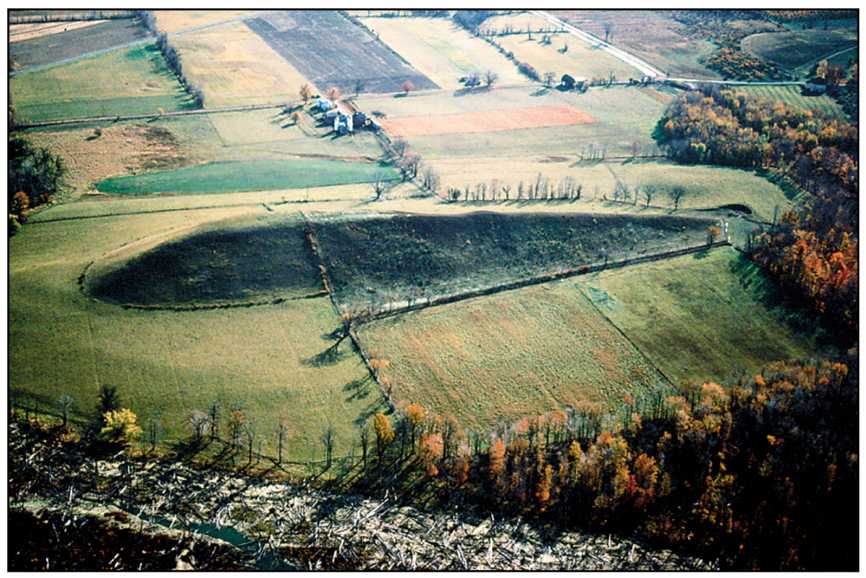
A _____ is a half-buried-egg-shaped hill created by glaciers. They contain unsorted sediment.
drumlin
esker
moraine
erratic

