
 Worksheets
Preschool classroom 3.pv
Total questions: 44
Worksheet time: 14mins
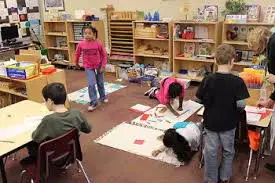
An engaging environment plays a __________ role in a child's learning.
crucial
minor
neglectable
innate

Young children are born with an _________________ to learn about their world.
innate modesty
innate curiosity
innate behaviour
innate weakness

Children are like little sponges - they ________ .
get dirty easily
absorb information easily
are soft and tear up easily
aren't very smart

"Intrinsically motivated" means: we do an act ________
to avoid punishment
to get internal satisfaction
to get praised and rewarded by teachers
According to Reggio Emilia educators: adults are the child's first teacher. Peers are their second teacher. And the __________ is the ‘third teacher’.
internet
environment
school

Teachers' role is to set up a/an _________ environment. (multiple correct answers).
engaging
exciting
appealing
disheartening

The Slovenian kindergarten curriculum places significant ______________ on preschool space.
enforce
emphaty
emphasis

The space must be designed in a way that: _________
(Tick all that apply)
promotes independence
encourages competition
offers freedom of choice
nurtures collaboration

The arrangement of the furniture must be ________________.
fixed and rigid
flexible and versatile
In the picture: portable ________________.
walls
screens
boards
A flexible classroom can be easily __________ to facilitate different activities.
rearranged
restocked
rebuked

Toys must be _________ in activity corners.
easily accessible
easy access
easily accessed

Too many choices can cause __________________.
clumsiness
cluttering
cluelessness

Children _________________ by choice can become stressed out.
overwhelmed
overweight
overworked

Therefore, _______________ materials regularly or by season.
circulate
revolve
rotate

_______________ the places where objects belong with words plus pictures.
labial
lobby
label
Labelling promotes early _________ skills.
literal
literacy
illiteracy

Often offer provocations - items that _______ children's interest.
spark
split
curb

Communicate to them that you ____________ their work. (Tick all that apply.)
value
appreciate
recognise
look down on

The room must be _______________ , with a lot of natural light.
crayon
bright
translucent
dyed

Furnish the room with cosy home ___________ - cushions, pillows, rugs...
jewellery
accessories
clutter

Mirrors are important as they teach _____________.
self-confidence
self-awareness
self-control
selflessness

The room must be ______________ into free-choice activity centres.
assigned
displayed
divided
accessed

In the construction corner, children stack ___________.
cubes
marbles
blocks
dice

The art corner: Here, art _______________ are available (paper, crayons...)
blocks
supplies
shelves
rugs

Science centre has a variety of natural materials to ___________.
inspire
divide
encourage
explore

Private spaces = Children can ________ to small, comforting spaces where they can calm down.
unwind
display
retreat
observe
This corner supports emotional __________ and self-awareness.
self-regulation
meltdowns
self-esteem

Circle time: children sitting on a _____________.
cubby
foam
rug
tent

Book corner: Children’s books are ________________ on low shelves.
displayed
divided
snuggled
designed

Book corners are furnished with ________, cosy couches, or chairs to sit on.
desks
cylinders
cones
cushions

Dramatic play corner: the area for _____________ play where children can play “grown-ups”.
explore
display
gather
pretend
Here children ________ what they see “grown-ups” do.
imitate
display
absorb
This corner ________ creativity and communication skills. (multiple correct answers)
promotes
fosters
encourages
regulates

Puzzle and game centre with puzzles, memory matching games, _____ games ...
board
table
desk
bookcase
Maths corner: with puzzles, memory and matching games, _____ games ...
board
table
desk
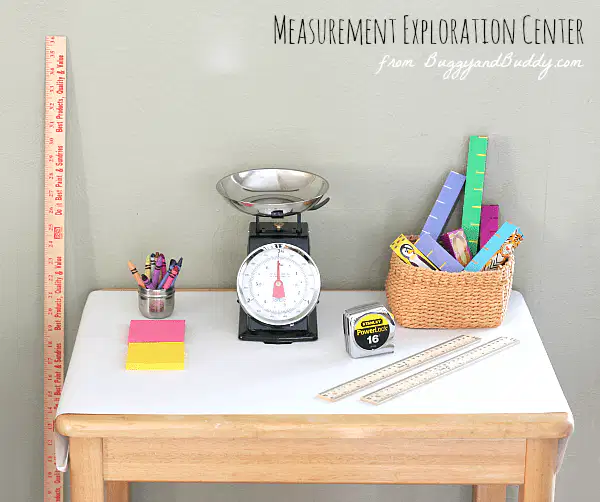
Maths corner: with _____ and counting tools ...
weight
measuring
pattern

The scinece corner: with tools as a ___ _______ glass ....
looking
magnifying
binocular
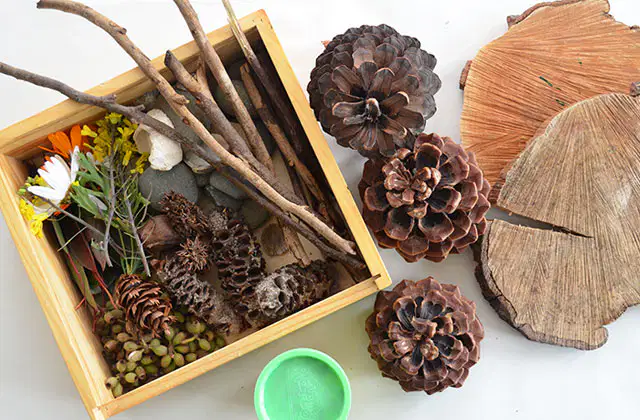
The science corner: with natural items such as pine _______ , leaves ....
cones
spruce
twiggs

A plant or a class pet is something students can ________________ over time.
observe
supervise
pretend
encourage

The role of a teacher is to _________ child's learning. (Tick all that apply.)
ignite
stimulate
encourage
promote
weaken
In the art corner children improve _______ motor skills.
fine
gross
The dramatic play corner promotes __________. (multiple right answers)
literacy
social skills
communication
creativity
The science corner encourages scientific _________.
inquiry
inquire
inquierer

