
 Worksheets
Introduction to Genetics (Amoeba Sisters)
Total questions: 20
Worksheet time: 14mins
Name
Class
Date
1.
A segment of DNA that has the ability to code for a specific trait.
a)
gene
b)
allele
c)
chromosome
d)
chromatid
2.
Long strands of DNA are called
a)
DNA
b)
Chromosome
c)
Alleles
d)
Phenotype
3.
Chromosomes are made of
a)
DNA
b)
RNT
c)
WWE
d)
DMA
4.
Humans have _______ pairs of chromosomes, for a total of _______ chromosomes.
a)
10, 20
b)
25, 100
c)
23, 46
d)
46, 92
5.
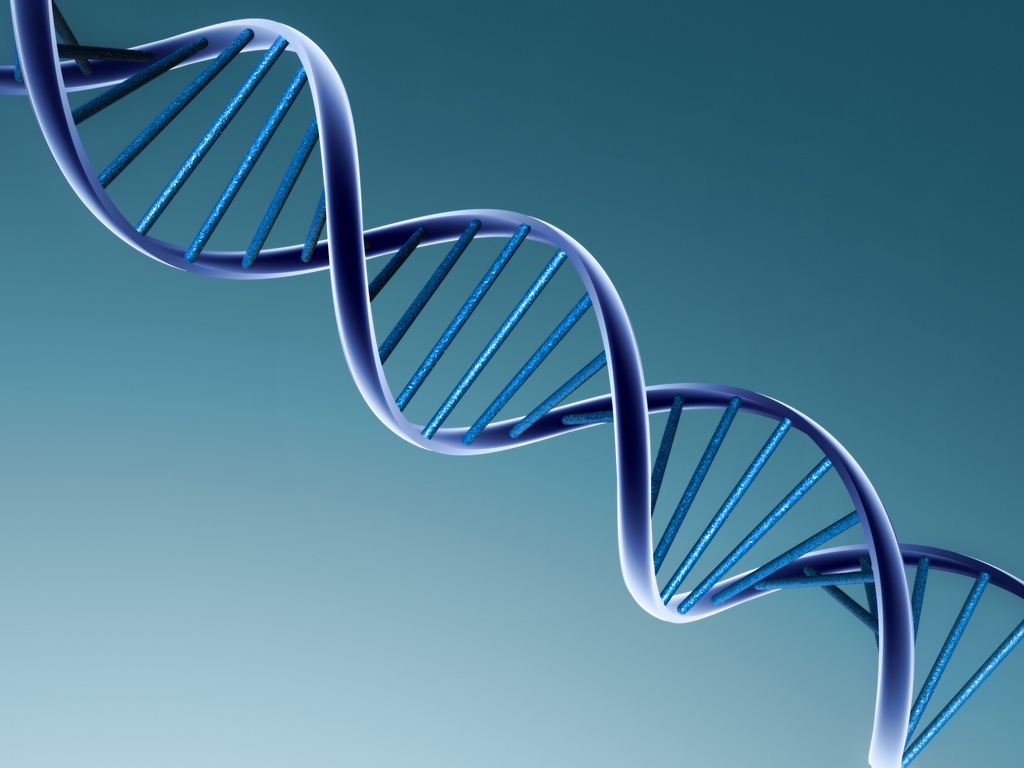
Deoxyribonucleic acid, a long, complex molecule that controls heredity
a)
inherited trait
b)
chromosome
c)
DNA
d)
pedigree
6.
Genetically determined characteristic. For example: eye color.
a)
Gene
b)
Genetics
c)
Heredity
d)
Trait
7.
True or False: DNA is the carrier for genetic information.
a)
True
b)
False
8.

Which of the following is correct?
a)
A pairs with C
b)
T pairs with C
c)
A pairs with T
d)
T pairs with G
9.
Which of the following is correct?
a)
A pairs with C
b)
T pairs with C
c)
C pairs with G
d)
T pairs with G
10.
Genes can be turned on or off.
a)
Gene Control
b)
Gene Regulation
c)
Gene Switch
d)
Genetics
11.
Adenine bonds with ______________.
a)
Guanine
b)
Thymine
c)
Cytosine
d)
Adenine
12.
Guanine bonds with ______________.
a)
Adenine
b)
Guanine
c)
Cytosine
d)
Thymine
13.
What does DNA stand for?
a)
Deoxyribonucleic acid
b)
Denitrogenous acid
c)
Deribonucleic acid
d)
Diribonucleic acid
14.

The two strands of nitrogenous bases in DNA are joined by which type of bond?
a)
polar bonds
b)
ionic bonds
c)
covalent bonds
d)
hydrogen bonds
15.
What are the nucleotides made of?
a)
Sugar, Phosphate, nitrogen base
b)
Phosphate, Adenine, nitrogen base
c)
Thymine, Adenine, Cytomine
d)
Phosphate, Nitrogen, Adenine
16.
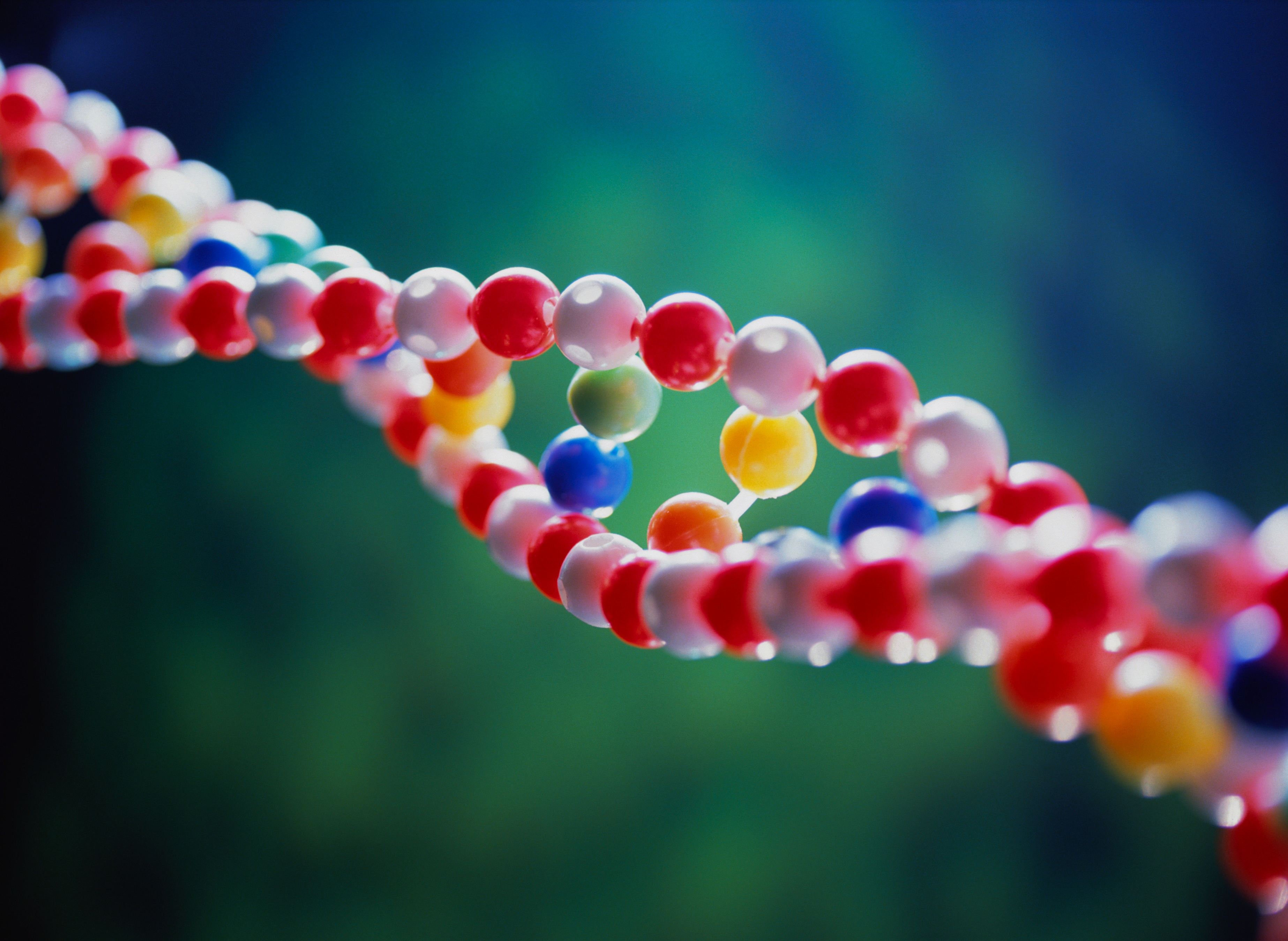
Why is DNA important?
a)
it is very small and very complicated
b)
it's in everything
c)
it serves as the blueprint for traits of all living things
d)
because we eat it every day for energy
17.
What are the 4 nitrogen bases?
a)
adenine, thymine, cytoplasm, and guanine
b)
adenine, thymine cytosine, and guanine
c)
adenine, thymine, cytosine, and gylcerol
d)
adenine, thymine, cytosine, and glucose
18.
Which shows the correct complementary base pairing for DNA?
a)
C-A, T-G
b)
A-G, C-T
c)
C-G, U-A
d)
T-A, G-C
19.
Which of the following monomers are repeatedly joined together to form a strand of DNA?
a)
amino acids
b)
nucleotides
c)
fatty acids
d)
polysaccharides
20.

The drawing shows the structure of what molecule?
a)
A DNA molecule
b)
A lipid molecule
c)
A carbohydrate molecule
d)
A protein molecule
100 %

