Wayground logo

Free Printable Worksheets

Font size

S
M
L
XL
Worksheets

Periodic Table, Oxidation states, Ions

Total questions: 25

Worksheet time: 19mins
Name
Class
Date
1.

The vertical (up and down) columns in the Periodic Table are called

a)

groups

b)

towers

c)

periods

d)

atomic numbers

2.
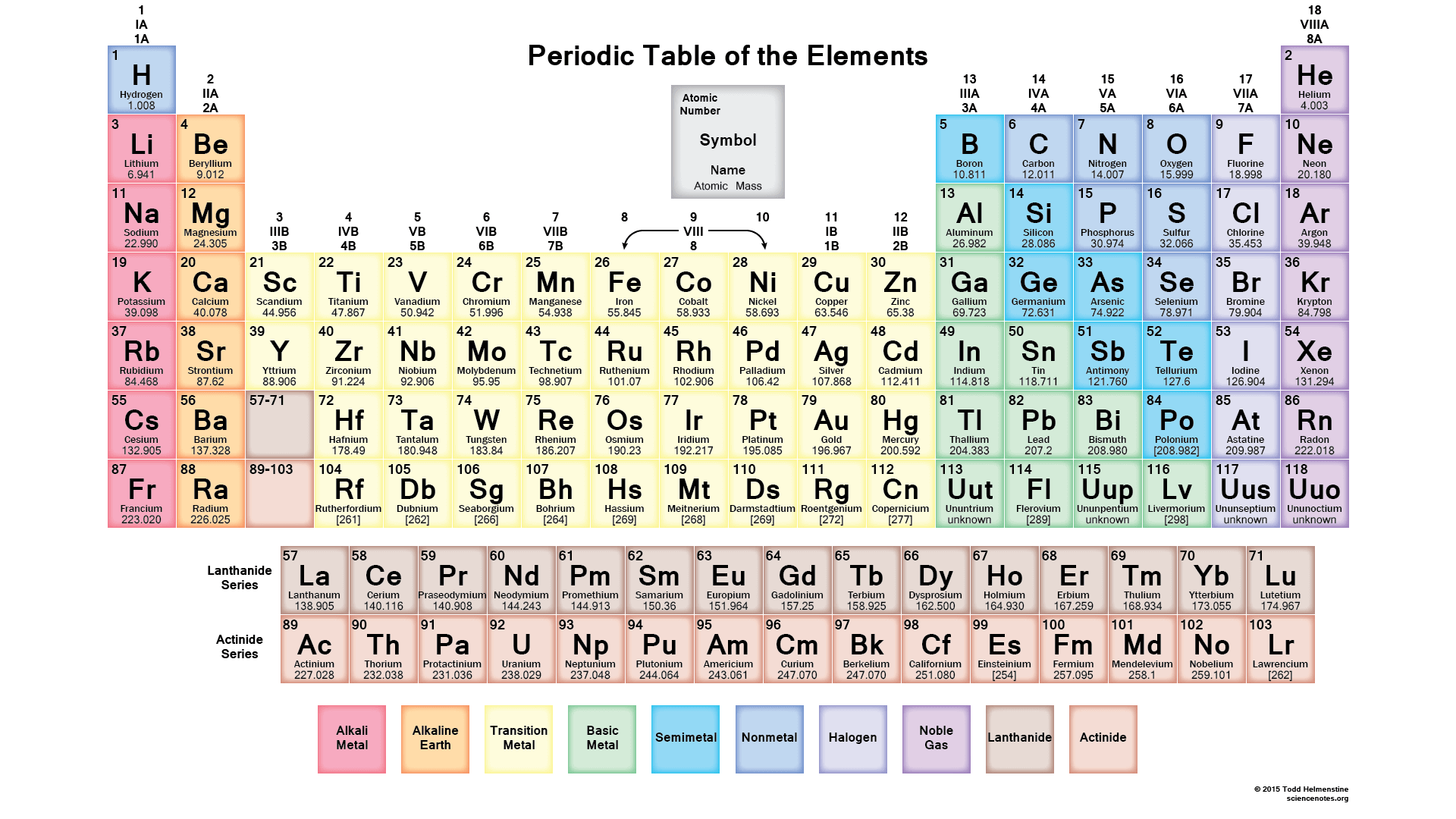
Sodium (Na) is found in period 
a)
3
b)
2
c)
4
d)
1
3.

the positively charged subatomic particle contained in the nucleus of an atom

a)

proton

b)

neutron

c)

electron

d)

matter

4.

a negatively charged subatomic particle that orbits the nucleus of an atom

a)

proton

b)

neutron

c)

electron

d)

matter

5.

What does the atomic mass tell you?

a)

Basically,the number of electrons and protons

b)

The number of neutrons

c)

Basically, the number of protons and neutrons

d)

The number of protons.

6.
What does the 6 represent?
a)
atomic mass
b)
atomic number
c)
element name
d)
chemical symbol 
7.

The horizontal (side to side) rows in the Periodic Table are called

a)

groups

b)

families

c)

periods

d)

atomic numbers

8.
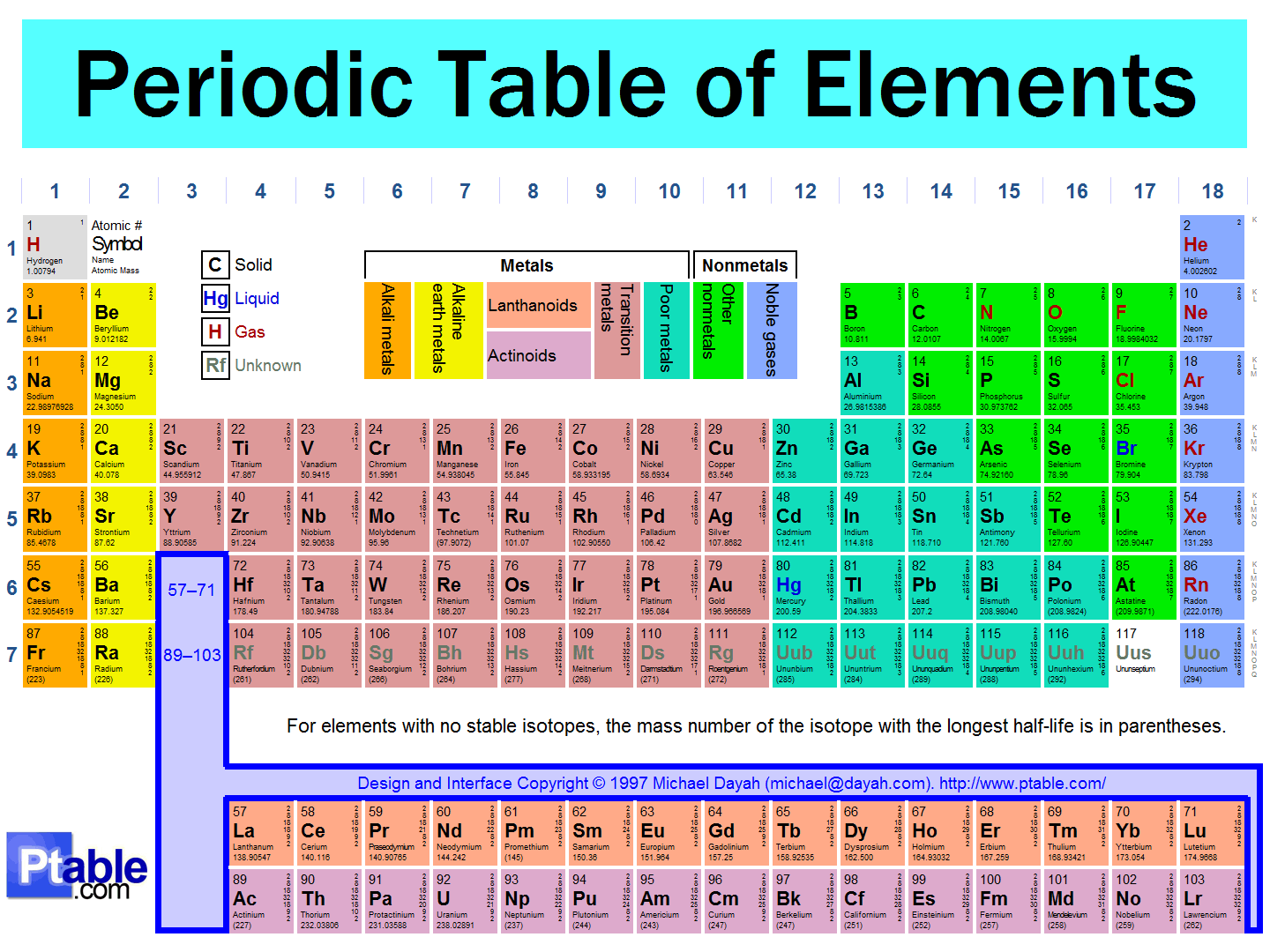
The atomic number of this pictured element is
a)
28
b)
58.6934
c)
Ni
d)
Nickel
9.

What period is Lead (Pb) in?

a)

6

b)

4

c)

Metals

d)

4A

10.

What are valence electrons?

a)

Any of an atom's electrons

b)

Electrons located on the first energy level

c)

Electrons not attached to any atom

d)

electrons located on the outer energy level
11.
Sodium (Na) is found in group 
a)
1
b)
2
c)
3
d)
4
12.

Which group of the periodic table is composed of inert (not reactive) gases with 8 valence electrons?

a)

alkali metals

b)

alkaline earth metals

c)

halogens

d)

noble gases

13.
The atoms along the staircase are called 
a)
metals
b)
nonmetals
c)
metalloids
d)
noble gases
14.

The atoms on the right of the staircase are called

a)

metalloids

b)

non-metals

c)

metals

d)

noble gases

15.
If an atom loses electrons when forming an ion, the charge will be:
a)
positive
b)
negative
c)
neutral
16.
If an atom gains electrons when forming an ion, the charge will be:
a)
positive
b)
negative
c)
neutral
17.
If an atom loses two valence electrons, what is its oxidation number?
a)
-1
b)
+1
c)
-2
d)
+2
18.
What is the typical oxidation number for all elements in the Alkali Metals group?
a)
+1
b)
+2
c)
+3
d)
+4
19.
What is the typical oxidation number of the Noble Gases?
a)
+2
b)
-3
c)
-1
d)
0
20.
If an atom loses electrons, what type of ion is formed?
a)
cation
b)
anion
21.
If an atom gains electrons, what type of ion is formed?
a)
cation
b)
anion
22.
Which of the following is most likely to form an ion with a negative charge?
a)
nitrogen
b)
tin
c)
lithium
d)
scandium
23.
Which of the following has an oxidation number of +3?
a)
oxygen
b)
lead
c)
calcium
d)
aluminum
24.
What type of ions do metals form?
a)
cations
b)
anions
25.
What types of ions do nonmetals form?
a)
cations
b)
anions