wayground logo

Free Printable Worksheets

Font size

S
M
L
XL
Worksheets

Circulatory and Respiratory System

Total questions: 36

Worksheet time: 31mins
Name
Class
Date
1.

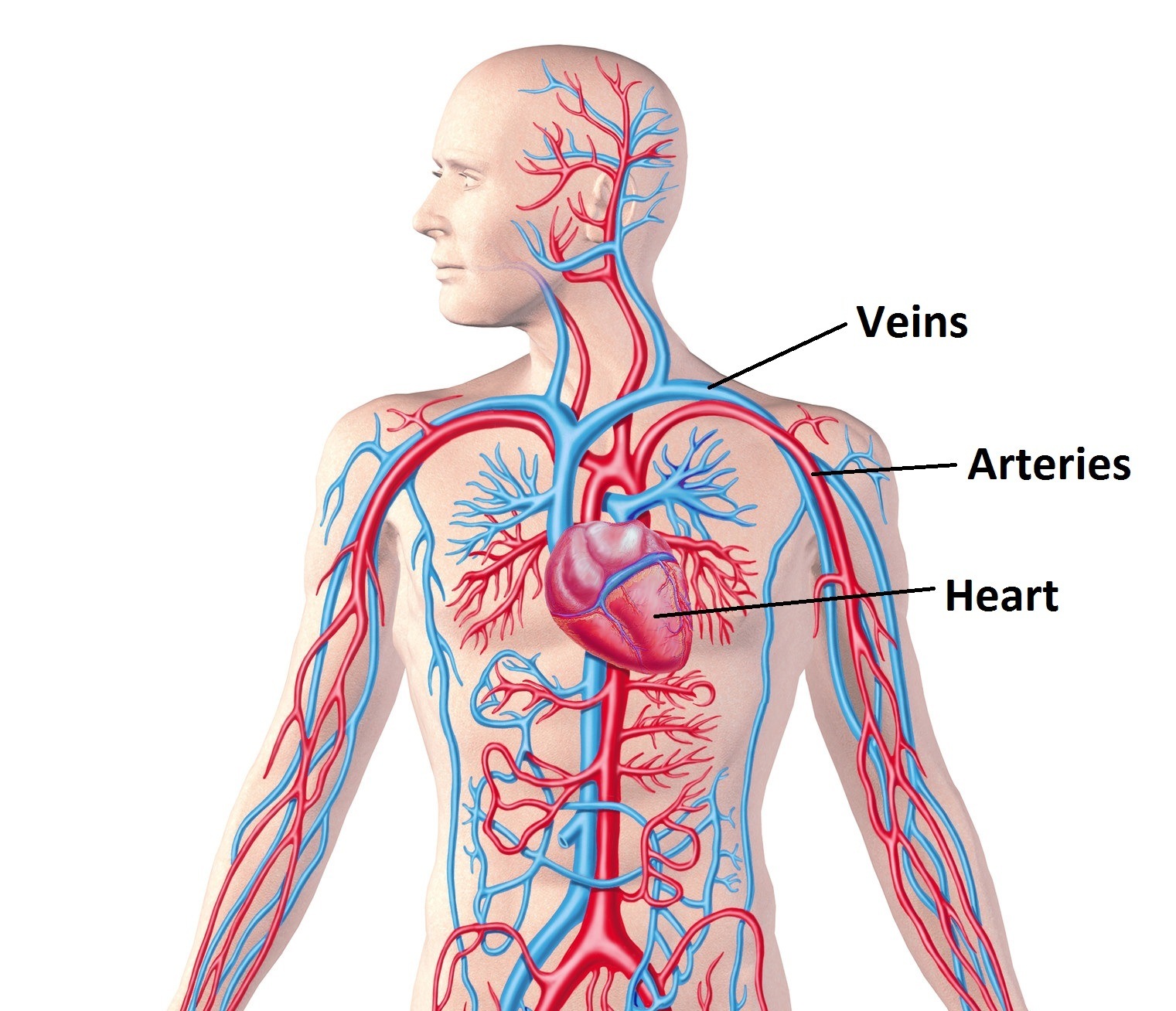
Which system allows blood to circulate throughout the body to transport oxygen and nutrients to all the cells and tissues?

a)

Nervous

b)

Respiratory

c)

Circulatory

2.

What is the main organ of the circulatory system?

a)

small intestine

b)

bone

c)

lungs

d)

heart

3.
How many types of blood vessels are in our body?
a)
1
b)
2
c)
3
d)
4
4.

Veins carry oxygen poor blood back to the heart.

a)

False

b)

True

5.

Arteries carry oxygen rich blood away from the heart.

a)

True

b)

False

6.
______________ are the smallest blood vessels.
a)
Arteries
b)
Veins
c)
Capillaries
7.
The circulatory system works with the ___________ system to provide our body with oxygen.
a)
respiratory
b)
digestive
c)
muscular
d)
skeletal
8.
The circulatory system works with the __________ system to obtain energy from nutrients that we eat. 
a)
respiratory 
b)
digestive
c)
skeletal
d)
nervous
9.
The heart has ___ chambers.
a)
1
b)
2
c)
3
d)
4
10.
What is the heart ? 
a)
meaty organ 
b)
a small metal spike with a broadened flat head,
c)
organ of soft nervous tissue 
d)
muscular organ
11.
The upper chambers of the heart are known as...
a)
valves
b)
ventricles
c)
atria
d)
septum
12.
The lower chambers of the heart are known as...
a)
valves
b)
ventricles
c)
atria
d)
septum
13.
Arteries carry nutrient and oxygen rich blood _____________ from the heart.
a)
back to
b)
away
c)
parallel
14.
Veins carry blood _________  the heart.
a)
back to 
b)
away
c)
parallel
15.
What is the energy molecule?
a)
DNA
b)
ATP
c)
RNA
d)
AAA
16.

What are the reactants (taken into) of cellular respiration? (Mark all of them!)

a)

oxygen

b)

glucose

c)

carbon dioxide

d)

water

e)

energy

17.

What is the correct equation for cellular respiration?

a)

6O2 + C6H12O6 -> 6CO2 + 6H2O + Energy

b)

6O2 + C6H12O6 + Energy -> 6CO2 + 6H2O

c)

6CO2 + 6H2O -> 6O2 + C6H12O6 + Energy

d)

6CO2 + 6H2O + Energy -> 6O2 + C6H12O6

18.

Cellular Respiration's goal is to

a)

make water

b)

make ATP

c)

make glucose

d)

make oxygen

19.

Which of the following equation explains cellular respiration?

a)

sugar+water -> salt+sunlight

b)

sugar+oxygen -> water+carbon dioxide+energy

c)

water+carbon dioxide+sunlight -> sugar+oxygen

d)

Sugar+energy -> water+carbon dioxide+oxygen

20.
When you breathe, your lungs take in ___ and remove ___. 
a)
air/oxygen
b)
oxygen/carbon dioxide 
c)
carbon dioxide/waste 
d)
waste/air 
21.
What is the main organ in the respiratory system?
a)
Kidney
b)
Heart
c)
Lungs
d)
Diaphragm
22.
What is the main function of the respiratory system?
a)
to provide oxygen and remove carbon dioxide from the body
b)
to bring oxygen to the body
c)
to break down food and absorb nutrients
d)
to remove oxygen from the body and deliver carbon dioxide
23.

Why does CO2 build up (or increase) inside your lungs when you hold your breath? (Choose the BEST answer.)

a)

Because the circulatory system is still pumping blood by your lungs.

b)

Because your lung always have CO2 in them.

c)

Because the circulatory system is still pumping blood and delivering CO2 to your lungs, even if you don't exhale it.

d)

Because the circulatory system is still pumping blood and delivering Oxygen to your lungs, oxygen created as waste in cells.
24.

What is the main function of the respiratory system?

a)

to provide oxygen and remove carbon dioxide from the body

b)

o break down food and absorb nutrients

c)

to remove oxygen from the body and deliver carbon dioxide
25.
When you breathe, your lungs take in ___ and remove ___. 
a)
air/oxygen
b)
oxygen/carbon dioxide 
c)
carbon dioxide/waste 
d)
waste/air 
26.

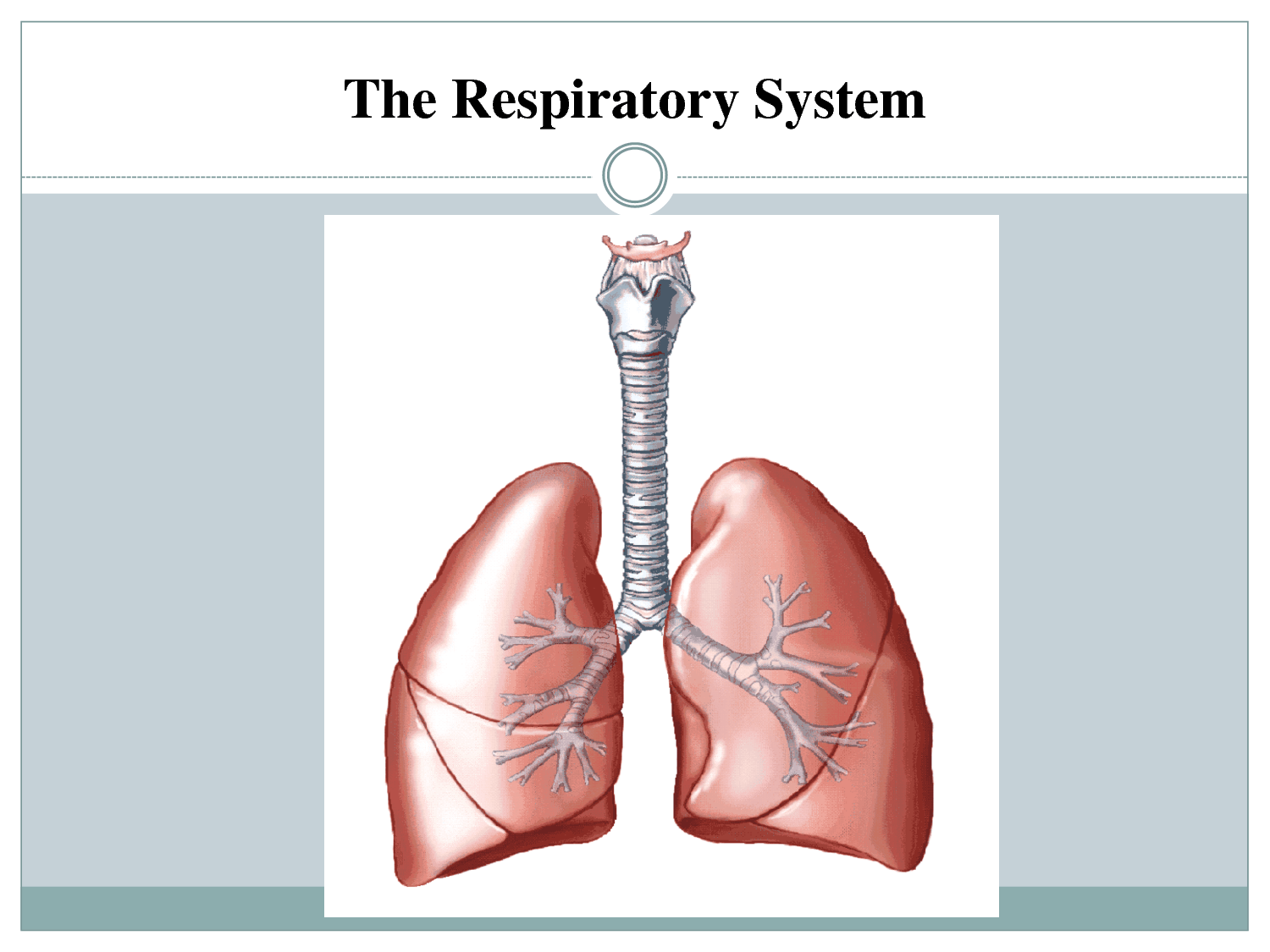
What letter points to the trachea?

a)

C

b)

B

c)

E

d)

D

27.
When you exercise, your heart beats faster to...
a)
spread oxygen throughout your body more quickly.
b)
make you feel excited.
c)
let you know you're working hard.
28.
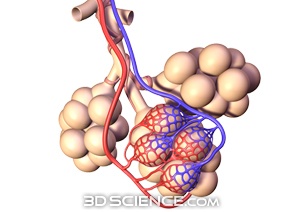
Oxygen from the air enters the blood stream at what location?
a)
Cardiac Notch
b)
Pulmonary Vein
c)
Alveoli
d)
Paranasal Sinuses
29.
As you breathe this contracts and flattens to give your lungs room to fill up with air.
a)
larynx
b)
lung balloon
c)
diaphragm
d)
heart
30.

Alveoli have very thick walls to maximise the distance that gases have to move.

a)

True

b)

False

31.
The air sacs that are covered with capillaries where gas exchange takes place
a)
bronchi
b)
lungs
c)
oxygen
d)
alveoli
32.
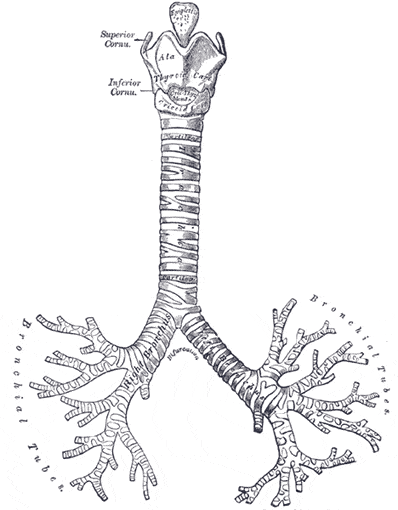
What is the function of the bronchi?
a)
Transport air from nose to lungs
b)
Transport air from trachea to lungs
c)
Transport air from lungs to alveoli
d)
Transport air from alveoli to blood
33.

When the gasses are exchanged between the alveoli in the lungs and the capillaries, oxygen enters the blood stream. What happens with this oxygen?

a)

Oxygen in the blood is delivered to the lungs to be exhaled.

b)

Oxygen in the blood is delivered to the nose to be exhaled.

c)

Oxygen in the blood is delivered to the tissues and cells of the body to help make energy.

d)

Oxygen in the blood is a waste that needs to be removed from the boyd.
34.
The two main branches from the trachea (one to each lung)
a)
bronchi
b)
alveoli
c)
capillaries
d)
bronchioles
35.

The "windpipe" is also called the...

a)

trachea

b)

bronchi

c)

bronchioles

d)

alveoli

36.
The passageway that is shared by both the digestive and respiratory system is the....
a)
larynx
b)
pharynx
c)
trachea
d)
nose